


Biodiversity Net Gain Residential UK: The 2026 Developer’s Strategy
Navigating biodiversity net gain residential UK requirements is now a cornerstone of every successful planning application in 2026. The shift toward nature-positive development has transformed how we approach residential architecture across London and the Home Counties.
Today, developers must demonstrate a minimum 10% uplift in biodiversity to secure approval. This guide explores the latest strategies for BNG compliance and sustainable urban integration.
Understanding BNG Compliance for Developers in 2026
BNG compliance for developers is no longer a secondary concern; it is the primary filter for UK planning committees. Modern projects must utilise the latest Statutory Biodiversity Metric to calculate baseline and post-development values.
Failure to meet these targets can lead to significant project delays or costly off-site mitigation. Early-stage ecological assessments are essential for mapping out a viable path to approval.
Core Pillars of BNG Strategy
* On-site Habitat Creation: Prioritising the retention of existing high-value hedges and trees.
* Strategic Off-setting: Utilising local nature recovery networks when on-site gains are mathematically impossible.
* Long-term Management: Committing to a 30-year maintenance plan for all new ecological features.
* Digital Monitoring: Using IoT sensors to track habitat health and reporting back to local authorities.
Enhancing the Urban Greening Factor Through Design
The Urban Greening Factor (UGF) has become a vital metric for high-density residential schemes in cities like Manchester and Birmingham. It measures the quantity and quality of greening integrated into a building’s footprint.
High UGF scores often correlate with higher property valuations and faster sales. Residents in 2026 increasingly demand homes that offer a tangible connection to nature.
Key Tactics for High UGF Scores
Living Roof Installation: More Than Just Aesthetics
A living roof installation is one of the most effective ways to satisfy biodiversity net gain residential UK targets. These systems turn dormant roof space into active ecological hubs that support pollinator populations.
In 2026, we see a move toward ‘biosolar’ roofs. These combine solar PV arrays with sedum or wildflower blankets to maximise both energy and ecology.
Benefits of Modern Living Roofs
* Thermal Regulation: Reducing the need for air conditioning during increasingly warm UK summers.
* Acoustic Insulation: Absorbing urban noise, particularly valuable for developments near transport hubs.
* Extended Membrane Life: Protecting the primary waterproofing layer from UV degradation and temperature swings.
* Carbon Sequestration: Actively capturing CO2 from the urban atmosphere to help meet Net Zero targets.
Integrating Sustainable Drainage Systems (SuDS)
Sustainable drainage systems (SuDS) are now mandatory for nearly all new-build residential projects across the UK. These systems mimic natural water cycles to manage surface water runoff and reduce flood risk.
By integrating SuDS with biodiversity features, developers can create ‘blue-green’ infrastructure. This dual-purpose approach is highly favoured by the Environment Agency and local planners.
Top SuDS Features for 2026
* Attenuation Ponds: Creating permanent water bodies that serve as wildlife habitats and flood storage.
* Rain Gardens: Using native aquatic plants to filter pollutants from runoff before it enters the water table.
* Bioswales: Linear landscaped features that direct water away from structures while providing green corridors.
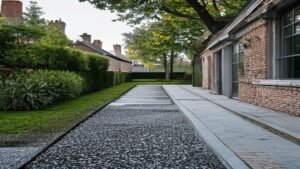
* Permeable Driveways: Utilising gravel or porous blocks to allow natural infiltration into the ground.
* Blue Roofs: Temporary storage systems that control the flow of water into the main sewer network.
Cost Implications and ROI of BNG Compliance
While BNG compliance for developers requires upfront investment, the long-term ROI is becoming clearer in the 2026 market. Green-certified homes often command a 5-8% premium over standard developments.
Strategic ecological planning reduces the risk of expensive ‘last-minute’ land purchases for biodiversity credits. It also streamlines the planning process, saving thousands in holding costs and professional fees.
2026 Cost Estimates for Greening
* Extensive Living Roofs: Typically ranging from £90 to £140 per square metre depending on depth.
* Integrated SuDS Systems: Can add 2-4% to the total site infrastructure budget but offset flood insurance costs.
* Biodiversity Credits: Currently trading at high rates; on-site solutions remain the most cost-effective path.
Future-Proofing Your Residential Development
Future-proofing involves looking beyond the current 10% BNG mandate. Forward-thinking developers are aiming for 20% to stay ahead of anticipated legislative updates in 2028.
Selecting the right plant species is critical for climate resilience. Use drought-tolerant native varieties that can survive the shifting UK weather patterns without intensive irrigation.
The BNG Checklist for Developers