


Biodiversity Net Gain Residential Driveways: The 2026 Homeowner Guide
Biodiversity net gain residential driveways are no longer a luxury in the 2026 UK construction landscape. With the full implementation of the Future Homes Standard and stricter local planning requirements, homeowners must now prioritise ecological value alongside aesthetics.
Traditional tarmac and non-porous concrete are rapidly being phased out. Today, we focus on integrated systems that manage surface water while actively supporting local flora and fauna.
The Evolution of Eco-Friendly Driveways in 2026
Recent updates to UK building regulations, specifically Part L and Part O, have influenced how we approach external surfacing. These changes emphasize thermal cooling and natural drainage to prevent urban heat islands.
Adopting biodiversity net gain residential driveways ensures your property adds at least 10% more ecological value than it previously held. This is often a mandatory requirement for significant refurbishments or new builds in the South East and London.
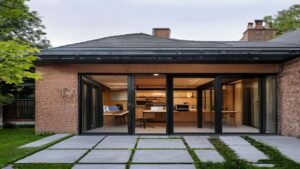
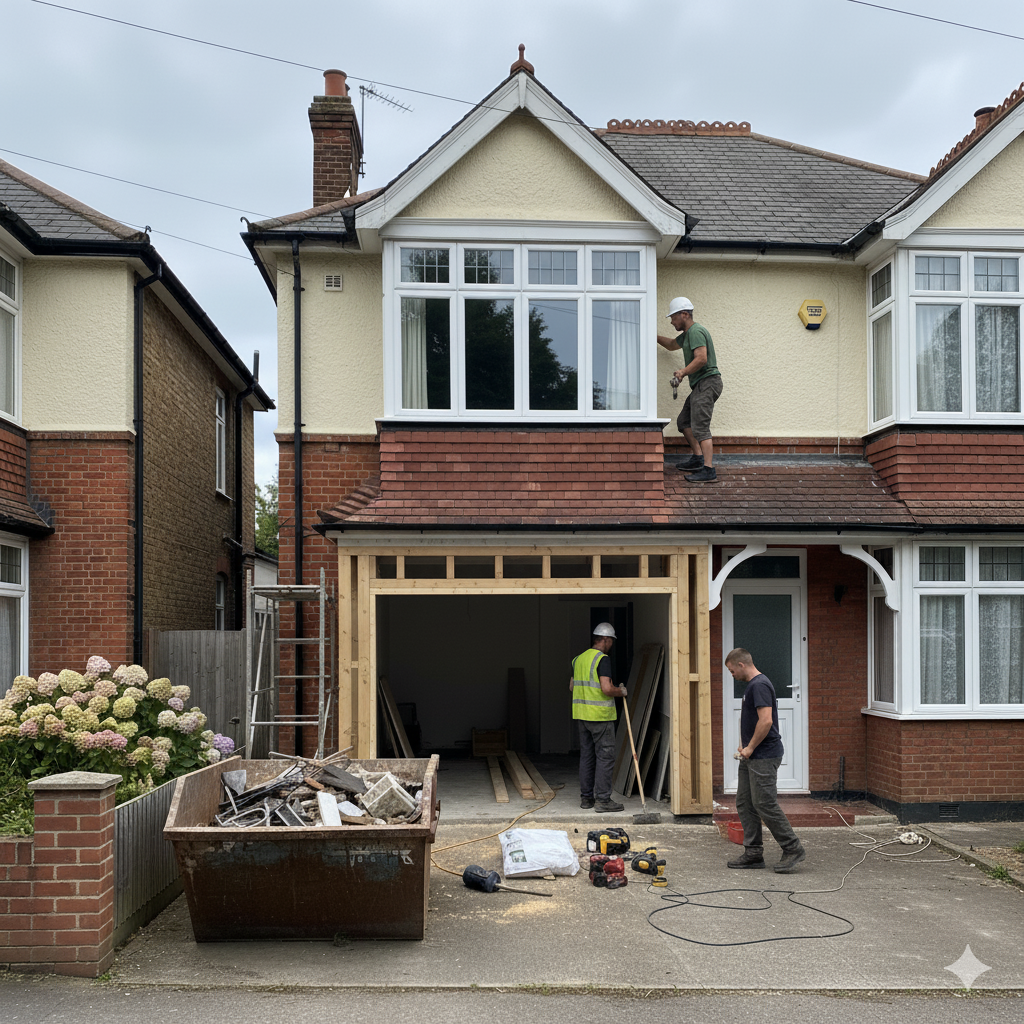
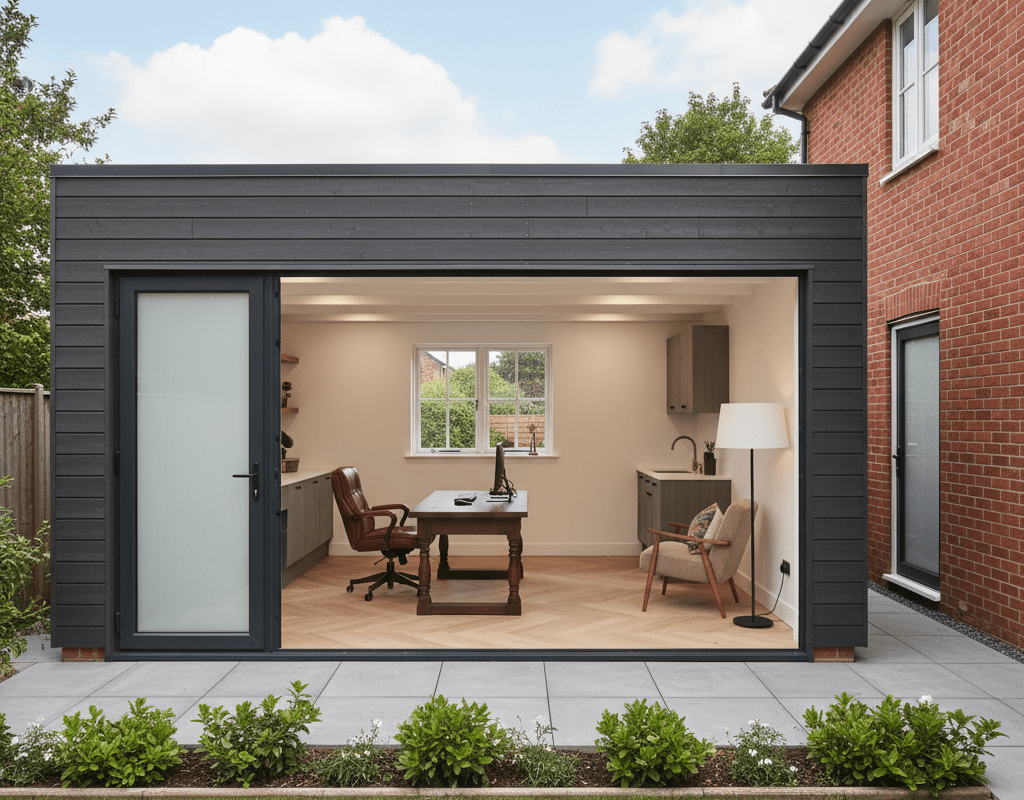
For those planning a larger project, integrating these surfaces with high-quality house extensions is the most efficient way to secure planning approval. Modern planning departments look favourably on projects that demonstrate a commitment to local wildlife corridors.
Why Permeable Block Paving is the New Standard
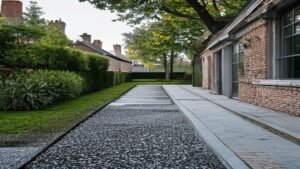
Permeable block paving is the cornerstone of sustainable driveway design in the UK. Unlike traditional blocks, these systems allow water to percolate through the joints into a specially engineered sub-base.
* Flood Prevention: Reduces the pressure on the UK’s ageing sewage systems.
* Natural Filtration: The sub-base acts as a biological filter, removing pollutants from rainwater.
* Durability: Modern 2026 designs use reinforced recycled polymers to prevent shifting under heavy EV loads.
When combined with professional landscaping services, permeable systems create a seamless transition between your home and garden. They represent the perfect balance of engineering and environmental stewardship.
SUDS Compliant Driveways: Navigating 2026 Regulations
Sustainable Urban Drainage Systems (SUDS) are now a critical component of any front-of-house renovation. A SUDS compliant driveway ensures that no water flows directly onto the public highway.
Failure to comply with SUDS regulations can lead to enforcement notices from local councils. In 2026, the fines for non-compliance have increased significantly to deter the use of non-porous materials.
Benefits of SUDS Compliance
- Eliminates the need for planning permission in many residential front garden cases.
- Protects the structural integrity of your home’s foundations by managing groundwater levels.
- Enhances the resale value of your property as buyers increasingly look for ‘Future-Proofed’ homes.
Rain Garden Installation: Enhancing Biodiversity
A rain garden installation is a shallow depression planted with specific moisture-loving UK native species. These gardens capture runoff from your driveway and allow it to soak slowly into the ground.
They serve as vital habitats for pollinators such as bees and butterflies. Integrating these into your driveway design is a primary method for achieving biodiversity net gain residential driveways targets.
* Planting Choice: Use species like Yellow Iris, Marsh Marigold, and various native sedges.
* Maintenance: Once established, these gardens require minimal intervention compared to traditional lawns.
* Aesthetics: They provide a lush, textured border that softens the hard lines of a driveway.
Many homeowners are now choosing to combine these eco-features with luxury loft conversions to create a holistic, sustainable property upgrade. This approach ensures every square inch of the plot is contributing to environmental health.
Choosing Eco-Friendly Patio Materials
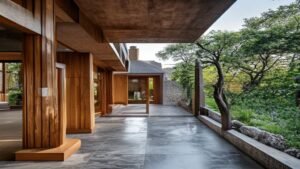
In 2026, the market for eco-friendly patio materials has expanded to include low-carbon alternatives to natural stone. Reclaimed Yorkstone and UK-quarried slate are top choices for reducing the carbon footprint of your build.
We are also seeing a rise in ‘carbon-negative’ paving slabs made from industrial by-products. These materials offer the same aesthetic appeal as Italian porcelain but with a fraction of the environmental impact.
Top Eco-Friendly Materials for 2026
* Reclaimed Timber Sleepers: Perfect for creating natural boundaries and retaining walls.
* Recycled Glass Aggregates: Offers a unique, light-reflective finish for decorative borders.
* Hempcrete Pavers: A lightweight, carbon-sequestering alternative for light-traffic areas.
The Technical Process of Installation
Installing a biodiversity-focused driveway requires a different technical approach than traditional methods. The sub-base must be deeper and comprise clean, crushed stone rather than standard MOT Type 1.
- Site Analysis: We assess the soil type and infiltration rates to determine the best SUDS strategy.
- Excavation: Removing the old surface and preparing the ground for a permeable sub-layer.
- Geotextile Layering: Using high-grade membranes to prevent sediment from clogging the drainage system.
- Paving Layout: Precision laying of permeable blocks with grit-filled joints for maximum water flow.
- Soft Landscaping: Incorporating rain gardens and native hedging to meet biodiversity targets.
Cost Considerations for 2026 Projects
While the initial investment for permeable block paving is approximately 15-20% higher than standard tarmac, the long-term savings are significant. You avoid the cost of installing complex underground drainage pipes and gully pots.
Furthermore, many UK insurance providers now offer lower premiums for homes with SUDS compliant driveways due to the reduced risk of surface water flooding. It is an investment in the resilience of your property.
Future-Proofing Your Home with Smart Integration
In 2026, we are integrating smart sensors into biodiversity net gain residential driveways. These sensors monitor soil moisture levels and the health of your rain garden, sending alerts to your smartphone.
This technology ensures that your eco-friendly features thrive even during the increasingly hot UK summers. It is the ultimate expression of the modern, sustainable British home.
Final Checklist for Homeowners
* Verify if your project requires a Biodiversity Net Gain (BNG) assessment.
* Select a contractor experienced in permeable block paving and SUDS.
* Choose native UK plant species for any integrated rain gardens.
* Ensure all eco-friendly patio materials are ethically sourced and low-carbon.
By following these steps, you create a beautiful, functional entrance to your home that supports the local ecosystem for decades to come.