


Biodiversity Net Gain for Driveways: The 2026 Developer Guide
Navigating the latest legislation for Biodiversity Net Gain for driveways has become a cornerstone of UK residential development in 2026. As the Future Homes Standard now dictates every aspect of property modification, homeowners and developers must prioritise ecological restoration.
Achieving a 10% uplift in local nature is no longer optional for major projects and is increasingly scrutinised in minor planning applications. This guide explores how to integrate modern sustainability into your next external renovation project effectively.
Understanding BNG Requirements UK 2026
The landscape of UK planning has shifted significantly with the full implementation of BNG requirements UK 2026 across all local authorities. Every square metre of hardstanding is now evaluated for its impact on local ecosystems and water attenuation.
Local councils in London, Manchester, and the Cotswolds now require detailed ecological reports even for mid-sized driveway extensions. Failure to account for habitat loss can lead to significant delays or the total rejection of your planning proposal.
- Biodiversity metrics must be calculated using the latest statutory biodiversity credit system.
- On-site gains are prioritised over purchasing statutory biodiversity credits from the government.
- Projects must demonstrate a viable management plan for at least 30 years post-completion.
Permeable Paving Solutions for Modern Projects
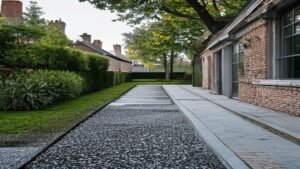
One of the most effective ways to satisfy planning officers is the integration of high-end permeable paving solutions. Unlike traditional asphalt, these systems allow surface water to filter naturally into the ground, reducing the burden on urban drainage.
We recommend using SuDS-compliant (Sustainable Drainage Systems) materials that offer both aesthetic appeal and functional performance. These systems often incorporate sub-base layers that double as filtration units for hydrocarbons and pollutants.
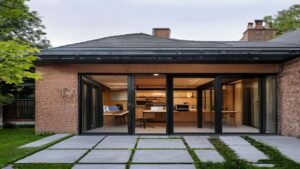
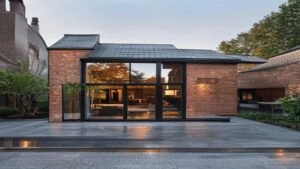
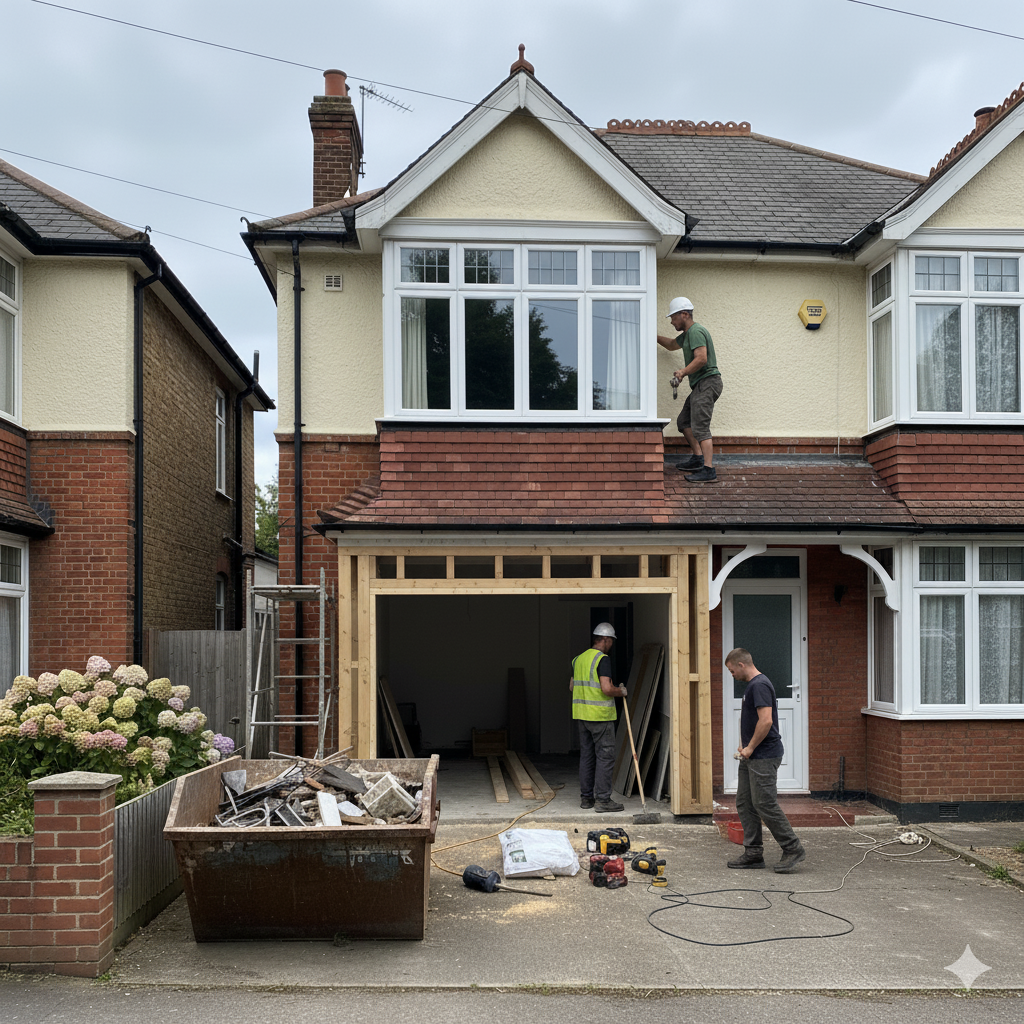
When planning a comprehensive front-of-house renovation, it is vital to consider how your surfacing interacts with the existing structure. Professional house extensions often require a unified approach to drainage to ensure the new footprint doesn’t cause moisture issues.
Popular Permeable Materials in 2026
- Reinforced Gravel Grids: Recycled plastic grids filled with decorative local stone provide a stable, load-bearing surface with 100% permeability.
- Porous Concrete Blocks: Specially engineered blocks with widened joints that allow grass or micro-clover to grow through the surface.
- Resin-Bound Aggregates: A seamless finish that offers a smooth, contemporary look while remaining fully water-permeable.
Eco-Friendly Driveway Design and Urban Greening
Adopting an eco-friendly driveway design is about more than just water management; it is about active habitat creation. By incorporating ‘green strips’ or ‘wheel tracks’ instead of solid slabs, you significantly increase the available area for pollinators.
Urban greening for patios and driveways has become a key trend in 2026, particularly in dense metropolitan areas like Birmingham and Bristol. Integrating native hedgerows and wildflower borders alongside your driveway can provide the necessary ‘units’ to meet BNG targets.
Many homeowners are now combining these external upgrades with internal improvements to maximise property value. If you are considering a major refurbishment, our experts in loft conversions can help align your interior expansion with your exterior ecological goals.
The Cost of Compliance in 2026
Material costs for sustainable paving have stabilised in 2026, though they remain roughly 15-20% higher than traditional non-permeable options. However, the long-term savings on drainage maintenance and the increase in property equity far outweigh the initial investment.
- Permeable Paving: £110 – £160 per square metre including sub-base preparation.
- Ecological Surveys: Small sites typically require a budget of £800 – £1,500 for a BNG assessment.
- Maintenance: Bi-annual vacuum sweeping for permeable blocks is essential to prevent silt clogging.
Integrating Smart Technology with Green Infrastructure
Modern driveways in 2026 often feature integrated smart sensors that monitor soil moisture levels and drainage efficiency. These systems can alert homeowners if the permeable layers are becoming compacted or if the ‘green’ elements require irrigation.
This level of integration is often managed through a central home automation hub, which is a standard feature in our new builds and high-end renovations. Ensuring your driveway works in harmony with your home’s environmental management system is crucial for true sustainability.
Checklist for a BNG-Compliant Driveway
* Conduct a baseline ecological survey before any demolition or clearance begins.
* Select native plant species for borders that support local UK pollinator populations.
* Ensure all paving is SuDS-compliant to mitigate flood risks and satisfy local bylaws.
* Document the ‘as-built’ biodiversity gain to provide to your local planning authority.
* Set up a long-term maintenance contract to ensure the habitat remains viable for decades.
Summary of 2026 Standards
The shift toward Biodiversity Net Gain for driveways represents a positive evolution in UK construction. By treating every square metre as a potential habitat, we create more resilient, cooler, and more attractive urban environments.
Whether you are located in a heritage conservation area or a modern suburb, these principles apply. Professional installation by experienced contractors is the only way to guarantee that your project meets the rigorous standards of the 2026 UK Building Regulations.