


Biodiversity Net Gain Driveways UK: The 2026 Sustainable Standard
Building a new driveway in 2026 requires more than just a firm surface for your vehicle.
Under the latest UK planning mandates, Biodiversity Net Gain Driveways UK standards are now the benchmark for high-end residential refurbishments.
Homeowners are increasingly looking for ways to blend aesthetics with ecological responsibility.
The shift towards Net Zero and the Future Homes Standard has redefined how we approach external surfacing.
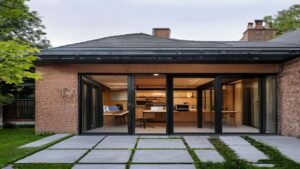
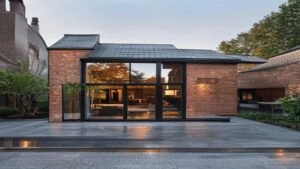
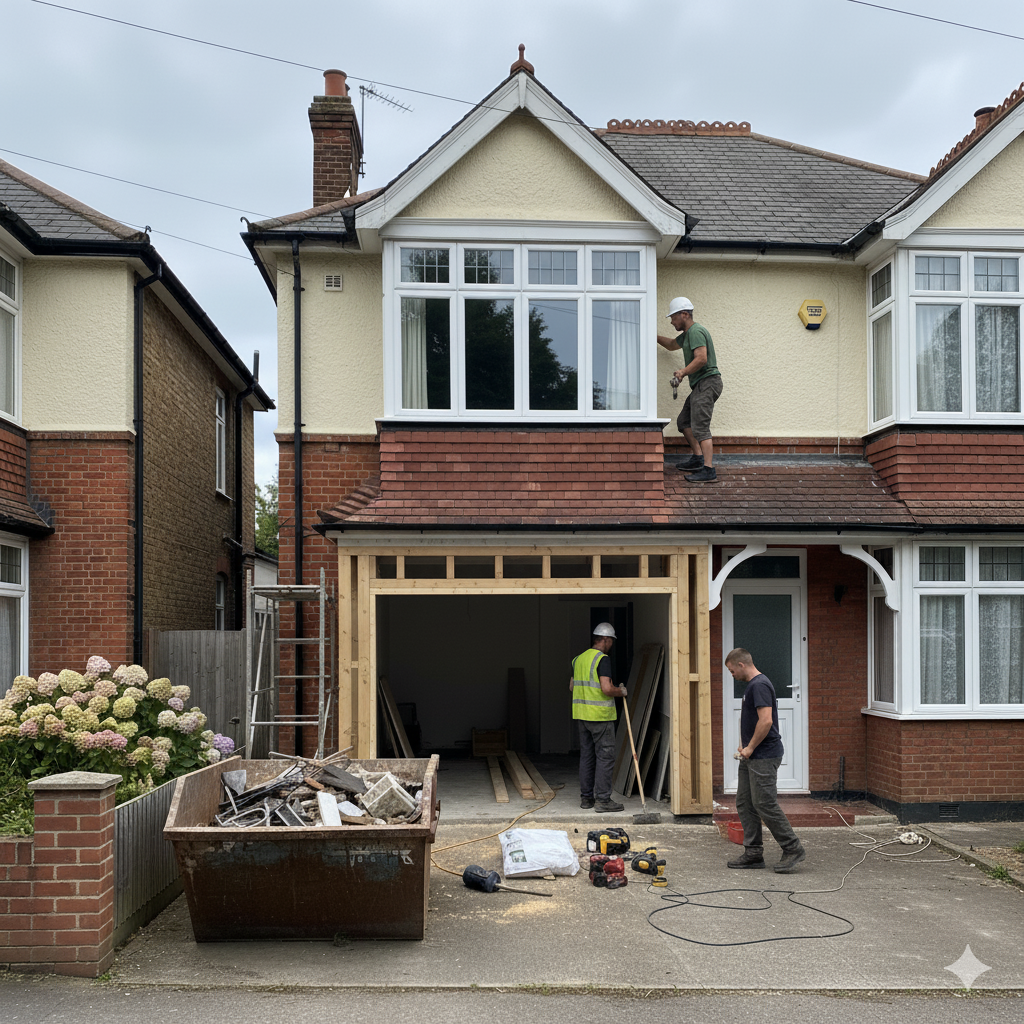
Whether you are planning modern house extensions or refreshing a frontage, understanding BNG is essential.
This guide explores how to achieve compliance while enhancing your property’s kerb appeal.
Understanding BNG Requirements for Homeowners in 2026
Biodiversity Net Gain (BNG) is a strategy to ensure developments leave the natural environment in a better state than before.
Since the 2024 rollout, BNG requirements for homeowners have become strictly enforced by local councils across London and the South East.
Your driveway is no longer a dead space for parking; it must contribute to local nature recovery.
Planning applications for significant landscaping now frequently require a 10% uplift in biodiversity value.
This is often measured through the types of flora planted and the permeability of the materials used.
For those also considering loft conversions, integrating green space at ground level is a key mitigation strategy.
The Role of the Statutory Biodiversity Metric
The UK government utilises a specific metric to calculate the ecological value of your front garden.
Hard, non-porous surfaces like traditional tarmac carry a zero-value score in this calculation.
By replacing these with eco-conscious alternatives, you can significantly increase your property’s value.
Local authorities in Manchester and Birmingham are now fast-tracking applications that exceed these minimum ecological targets.
SUDS Compliant Paving: The Technical Foundation
Sustainable Urban Drainage Systems (SUDS) are the cornerstone of modern UK driveway design.
SUDS compliant paving ensures that rainwater mimics natural drainage patterns, reducing the risk of local flooding.
In 2026, the Environment Agency has tightened rules regarding surface water run-off from private land.
Utilising porous materials is the most efficient way to meet these stringent environmental benchmarks.
Benefits of SUDS Compliance
* Reduces pressure on the UK’s ageing Victorian sewer networks.
* Prevents pollutants from entering local watercourses directly from car tyres.
* Eliminates the need for traditional planning permission for most front-of-house works.
* Lowers the risk of structural damp in nearby commercial construction or residential footings.
Installing a compliant system also protects your property from the increasing frequency of flash flooding.
It is an investment in the long-term resilience of your home’s infrastructure.
Exploring Permeable Driveway Materials for 2026
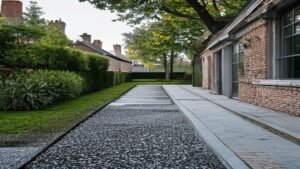
Selecting the right permeable driveway materials is vital for both BNG compliance and visual impact.
Advancements in material science have led to the development of high-strength, eco-friendly options.
Resin-bound aggregates remain a popular choice due to their versatility and drainage capabilities.
These systems allow water to percolate through to the sub-base, supporting the water table naturally.
Top Material Choices for Sustainable Surfaces
- Reinforced Grass Pavers: High-density recycled plastic grids that allow grass to grow through the surface.
- Permeable Clay Setts: Traditional aesthetics combined with wider, grit-filled joints for water infiltration.
- Self-Graveling Stabilisation: Grids filled with local UK-sourced flint or limestone to prevent gravel migration.
- Porous Asphalt: A modern solution for larger driveways that require heavy-duty load-bearing capacity.
These materials are often paired with cellular confinement systems to ensure durability.
Expert contractors now prioritise locally quarried stone to reduce the carbon footprint of transport.
Wildlife-Friendly Landscaping: Enhancing the BNG Score
Achieving Biodiversity Net Gain Driveways UK status requires more than just porous stone.
Wildlife-friendly landscaping integrates living elements into the hardscape design to support pollinators.
Small changes, such as ‘hedgehog highways’ or integrated flower borders, contribute to your BNG score.
In 2026, we see a trend towards ‘living’ driveways that feature low-growth chamomile or creeping thyme.
Key Ecological Features to Include
* Rain Gardens: Sunken areas planted with moisture-loving native species to catch overflow.
* Native Hedgerows: Replacing brick walls with hawthorn or beech to provide nesting sites.
* Pollinator Borders: Using lavender, salvia, and buddleia to attract bees and butterflies.
* Invertebrate Habitats: Incorporating log piles or bug hotels into the perimeter design.
These features transform a functional space into a vibrant ecosystem.
They also soften the visual transition between the street and your private residence.
Cost Considerations and Professional Installation
In 2026, the cost of sustainable driveway materials has stabilised as manufacturing processes have matured.
Expect to pay between £90 and £150 per square metre for a fully compliant, high-end installation.
While the initial outlay is higher than traditional concrete, the long-term savings are significant.
Reduced maintenance and the avoidance of planning fees offer a clear return on investment.
Why Professional Surveys Matter
Before starting work, a professional site survey is essential to check soil permeability.
Heavy clay soils, common in the Cotswolds and the South East, require deeper sub-base preparation.
Qualified installers will use laser-levelling technology to ensure correct drainage fall away from the house.
This prevents standing water and ensures the longevity of your BNG-rated surface.
The Future of UK Driveway Design
As we move further into 2026, the integration of smart technology into driveways is becoming standard.
We are seeing the rise of inductive charging pads buried beneath permeable surfaces for EVs.
These tech-heavy installs must still adhere to Biodiversity Net Gain Driveways UK principles.
Combining high-tech convenience with ecological sensitivity is the ultimate goal of the modern homeowner.
Your driveway is the first impression of your home and a vital part of the UK’s green infrastructure.
By choosing sustainable paths, you are contributing to a nationwide effort to restore our natural heritage.