Mastering Biodiversity Net Gain Driveways: The 2026 Professional Guide
In 2026, the UK construction landscape has shifted permanently toward environmental restoration. Property owners must now consider how Biodiversity Net Gain driveways contribute to the ecological value of their land.
Following the full implementation of the Future Homes Standard, every external modification is scrutinised for its environmental impact. This guide explores how to integrate nature-positive surfaces while maintaining high-end curb appeal.
Why Biodiversity Net Gain Driveways Matter in 2026
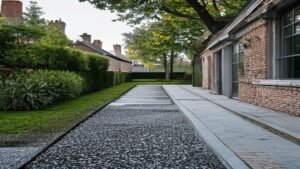
Biodiversity Net Gain (BNG) is no longer a suggestion for large developers; it is a core requirement for residential upgrades. Biodiversity Net Gain driveways focus on creating habitats for local pollinators while managing surface water runoff effectively.
Modern homeowners are choosing materials that support microbial life and insect corridors. These systems use a combination of structured soil cells and cellular grids to allow vegetation to thrive under vehicle loads.
Navigating UK Planning Permission 2026 for External Works
Securing UK planning permission 2026 requires a deeper level of ecological documentation than in previous years. Councils now demand a ‘Small Sites Metric’ report to prove that your new driveway increases local biodiversity by at least 10%.
If you are planning a comprehensive property overhaul, consider how your surfacing interacts with other structures. For instance, our experts at house extensions often integrate driveway drainage with new foundation designs.
Key 2026 planning requirements include:
* Submission of a Biodiversity Gain Plan with all minor planning applications.
* Verification of soil health and drainage capacity prior to excavation.
* Proof of long-term maintenance for any ‘green’ surfacing elements.
* Compliance with updated Part O and Part L building regulations regarding heat island effects.
The Role of Permeable Paving Solutions
Standard asphalt and non-porous concrete are largely obsolete in high-end UK projects. Advanced permeable paving solutions now utilise carbon-sequestering aggregates and recycled geogrids to facilitate natural water infiltration.
These systems prevent the ‘puddling’ common with older installations. By allowing water to reach the subsoil, you maintain the hydration levels necessary for surrounding trees and hedgerows.
Achieving SUDs Compliant Driveways
Sustainable Urban Drainage Systems (SUDs) are the gold standard for modern UK infrastructure. SUDs compliant driveways use multi-layered sub-bases of varying stone sizes to filter pollutants before they reach the water table.
This filtration process is vital for protecting British waterways from oil and microplastic runoff. When we manage loft conversions, we often advise clients to upgrade their external drainage to handle the increased roof runoff effectively.
Benefits of SUDs compliance include:
- Significant reduction in local flood risks during heavy rain events.
- Natural cooling of the property exterior during increasingly hot UK summers.
- Lower long-term maintenance costs compared to cracking, non-porous surfaces.
- Faster approval times from local planning authorities (LPAs).
Urban Greening for Patios and Parking Areas
Urban greening for patios and parking areas involves more than just adding a few pots. In 2026, we utilise ‘living’ grids that allow grass or micro-clover to grow through reinforced recycled plastic or concrete honeycombs.
This technique softens the visual impact of hardstanding areas. It also contributes to the ‘Green Space Factor’ scores now required by many London and South East boroughs.
Material Selection: Sustainability Meets Durability
Choosing the right materials is essential for balancing aesthetics with the 2026 BNG targets. Timber-framed carports or stone-filled gabions can provide additional nesting sites for beneficial insects.
For those undergoing property refurbishments, integrating these natural textures creates a seamless transition between the home and the garden. Consider using locally sourced Welsh blue slate or reclaimed York stone for a lower carbon footprint.
The Financial Impact of Eco-Friendly Driveways
While the initial investment in Biodiversity Net Gain driveways may be 15-20% higher than traditional methods, the ROI is substantial. Properties with high-spec eco-credentials are fetching a premium in the 2026 UK property market.
Furthermore, many UK insurers now offer lower premiums for homes with SUDs compliant drainage. This is due to the decreased risk of structural subsidence and localized flooding damage.
Maintenance Strategies for Living Surfaces
A common misconception is that green driveways are high maintenance. Modern seed mixes are designed for slow growth and high drought resistance, requiring minimal intervention.
We recommend a bi-annual check of the drainage voids to ensure no silt build-up is occurring. Using organic weed suppressants will help maintain your BNG status without harming the local ecosystem.
Step-by-Step Checklist for Your 2026 Driveway Project
Follow these steps to ensure your project meets all modern standards:
* Conduct a baseline biodiversity survey of your current external area.
* Choose a permeable paving system that matches your home’s architectural heritage.
* Consult with a SUDs specialist to design an effective sub-base filtration layer.
* Apply for planning permission with a clear Biodiversity Gain Plan included.
* Select a contractor experienced in the 2026 Building Regulation updates.
* Install smart sensors to monitor soil moisture and drainage efficiency.
Conclusion: The Future of UK Kerb Appeal
Biodiversity Net Gain driveways represent the perfect synergy of luxury design and environmental responsibility. By prioritising permeable paving solutions and SUDs compliance, you protect your home and the planet.
As we navigate the requirements of UK planning permission 2026, the focus remains clear: build for the future, not just for today. Whether you are extending or refurbishing, let nature lead your design choices.