


The Ultimate Guide to Biodiversity Net Gain Driveways in 2026
Biodiversity Net Gain Driveways have become a cornerstone of sustainable property development in the United Kingdom following the 2026 update to the Future Homes Standard. This transition reflects a nationwide commitment to reversing habitat loss through clever residential design and materials.
UK homeowners must now consider how their external hardstanding contributes to the local ecosystem rather than just looking at aesthetics. Integrating nature-positive solutions into your property entrance is no longer optional for major renovations; it is a regulatory expectation.
Understanding BNG Requirements Residential Projects Must Meet
Under current 2026 legislation, BNG requirements residential developments face have tightened to ensure a minimum 10% uplift in biodiversity. This applies to significant driveway replacements and large-scale garden refurbishments across London and the South East.
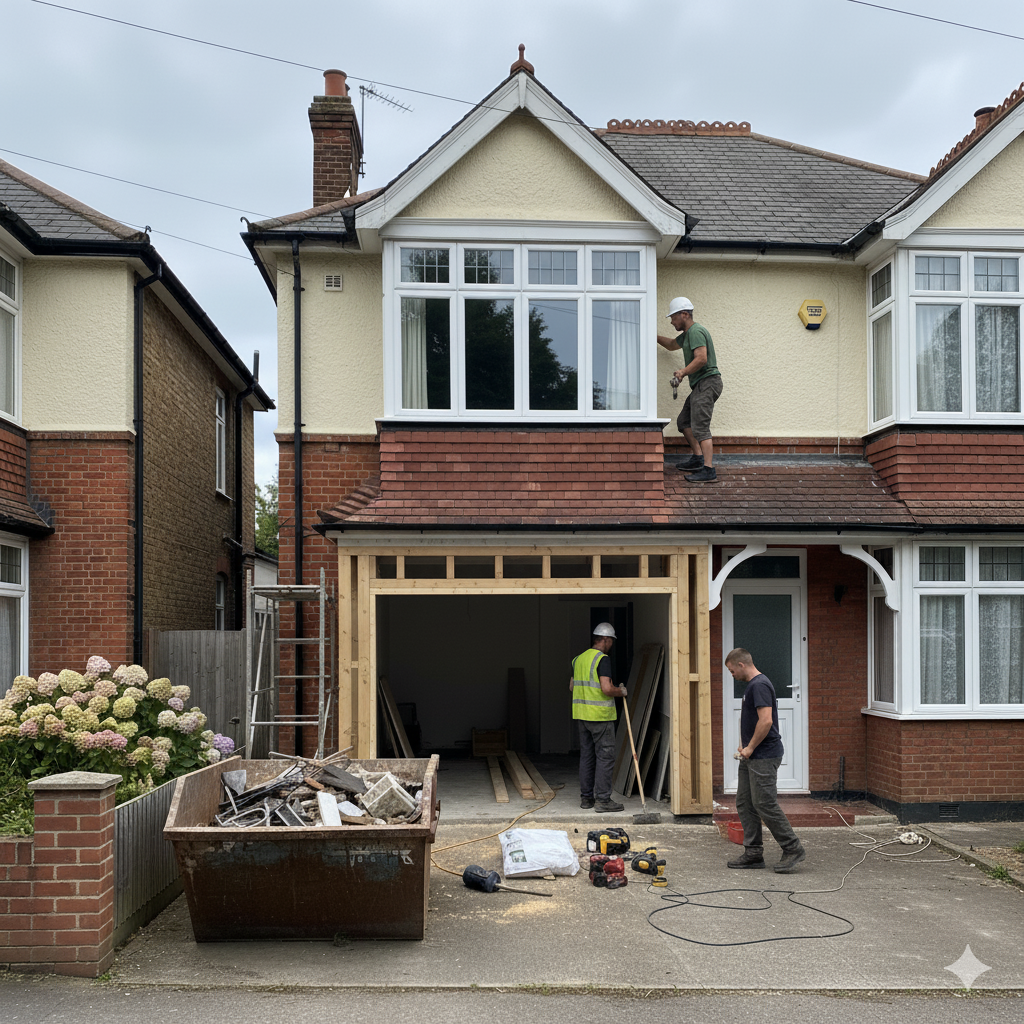
Homeowners are increasingly turning to professional house extensions experts to integrate these ecological improvements seamlessly. A driveway is no longer just a place to park a vehicle; it is a functional habitat.
* Mandatory 10% biodiversity uplift for new planning applications.
* Focus on native planting and pollinator-friendly margins.
* Integration of sustainable drainage systems (SUDS).
Why Permeable Driveway Paving is Essential
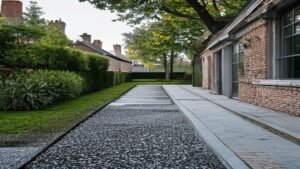
The move away from non-porous tarmac and concrete has accelerated due to increased flood risks in urban areas like Manchester and Birmingham. Permeable driveway paving allows rainwater to filter naturally into the ground, reducing the burden on aging Victorian sewer systems.
Modern materials for 2026 include cellular grass pavers and porous resin-bound aggregates that offer high durability. These systems prevent standing water and ice patches, making them safer during harsh British winters.
Benefits of Porous Materials
- Reduced surface water runoff and flood risk.
- Natural filtration of pollutants before they reach the water table.
- Elimination of the need for complex underground drainage pipes.
SUDS Compliant Driveways and Local Authority Approval
Choosing SUDS compliant driveways is the most efficient way to secure planning permission for front garden alterations. Local authorities in the Cotswolds and other sensitive regions now prioritise projects that manage water at the source.
If you are planning comprehensive property changes, consulting with experts in loft conversions can help align your external drainage with internal plumbing upgrades. This holistic approach ensures your entire site meets the 2026 Part O and Part L building regulations.
Designing for Biodiversity: Beyond the Pavement
A Biodiversity Net Gain driveway involves more than just the surface material used for parking. It incorporates living boundaries, such as native hedgerows and wildlife corridors, that connect fragmented habitats.
* Rain Gardens: Small depressions planted with moisture-loving native species.
* Living Borders: Replacing brick walls with mixed-species hedging like Hawthorn or Beech.
* Integrated Habitats: Using recessed bee bricks and insect hotels within boundary walls.
Eco-Friendly Patio Design and Outdoor Living
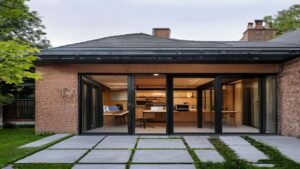
As we look at the rear of the property, eco-friendly patio design is mirroring the trends seen in front-of-house landscaping. Homeowners are demanding seamless transitions between their indoor living spaces and sustainable outdoor zones.
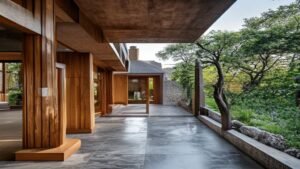
Large-scale home renovations now frequently include permeable porcelain tiles or reclaimed York stone setts. These materials provide a luxury aesthetic while maintaining the site’s overall biodiversity metrics.
Material Costs in 2026
- Permeable Resin Bound: £85 – £130 per square metre.
- Cellular Grass Reinforcement: £50 – £80 per square metre.
- Eco-porcelain Paving: £90 – £150 per square metre.
Smart Technology and Biodiversity Monitoring
In 2026, smart home integration extends to the driveway with soil moisture sensors and automated irrigation for living boundaries. These systems ensure that your biodiversity efforts thrive with minimal manual intervention.
Connected sensors can alert homeowners via smartphone when permeable surfaces require cleaning to maintain their porosity. This proactive maintenance extends the lifespan of your investment significantly.
The Role of Modular Construction in Sustainable Landscaping
Prefabricated modular elements are now being used for driveway sub-bases and drainage crates, reducing on-site waste. This aligns with the wider UK construction shift towards Net Zero and circular economy principles.
By using pre-engineered SUDS components, installers can guarantee the performance of the drainage system. This precision is vital for meeting the stringent environmental audits required by modern mortgage lenders.
Summary of Key Features for 2026 Driveways
* Permeability: 100% porous surfaces to handle extreme weather events.
* Habitat Creation: Minimum 10% increase in local flora and fauna support.
* Durability: High-grade aggregates capable of supporting electric vehicle (EV) weights.
* Compliance: Fully aligned with the Future Homes Standard and local BNG mandates.
Conclusion: Investing in a Greener Future
Investing in Biodiversity Net Gain Driveways is a strategic move for any UK homeowner looking to future-proof their property. It combines aesthetic appeal with environmental responsibility and regulatory compliance.
As we move deeper into 2026, these sustainable features will become the standard for all high-quality UK homes. Start your ecological transformation today to ensure your home remains at the forefront of modern construction standards.