



Biodiversity Net Gain Driveways: The Future of UK Sustainable Landscaping
Biodiversity Net Gain driveways have transitioned from an environmental niche to a central pillar of UK residential development in 2026. As the Future Homes Standard now mandates stricter ecological accountability, homeowners must prioritise habitats alongside aesthetics.
Installing a modern driveway is no longer just about parking your electric vehicle on a flat surface. It is about contributing to local ecosystems and meeting the latest UK building regulations for urban drainage.
Understanding BNG Requirements for Homeowners
In 2026, BNG requirements for homeowners have become more integrated into the planning process for significant external works. While small repairs remain exempt, new installations often require a demonstrable 10% increase in site biodiversity.
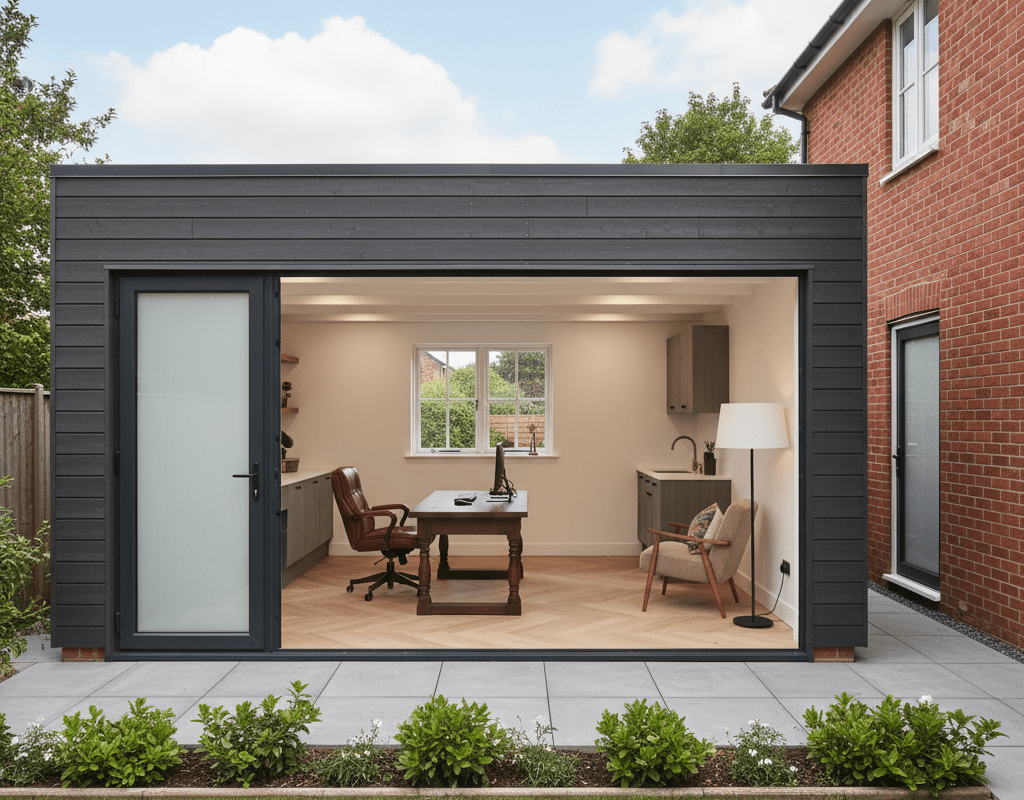
This shift ensures that urban sprawl does not further degrade our natural environment or strain local wildlife corridors. By choosing specific house extensions and landscaping strategies, you can significantly enhance your property value.
Professional surveys now include the ‘Small Sites Metric’ to calculate how your driveway project impacts the local flora and fauna. Failing to meet these metrics can delay planning approvals and lead to costly remedial works later in the project.
The Rise of SUDS Compliant Paving
Sustainable Urban Drainage Systems, or SUDS compliant paving, are now the industry standard for any front-of-house renovation. These systems are designed to manage surface water runoff at the source, preventing the flooding of UK sewage networks.
Traditional non-porous surfaces like standard tarmac or concrete are increasingly discouraged by local councils across London and the South East. By using SUDS, you effectively eliminate the need for planning permission that non-permeable surfaces usually trigger.
Benefits of SUDS Systems
* Reduction in local flood risks by absorbing rainwater directly into the ground.
* Natural filtration of pollutants such as oil and metals from vehicle tyres.
* Improved thermal regulation of the driveway surface during summer months.
* Compliance with 2026 Part L and Part O building regulation updates.
Top Permeable Driveway Materials for 2026
Choosing the right permeable driveway materials is essential for balancing durability with ecological responsibility. Modern material science has provided us with options that are both visually stunning and highly functional.
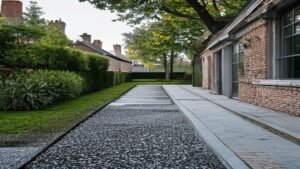
Resin-bound gravel remains a top contender due to its smooth finish and excellent drainage capacity. Unlike resin-bonded surfaces, resin-bound systems allow water to flow freely through the structure to the sub-base below.
Popular Material Choices
- Reinforced Grass Pavers: High-density polyethylene grids that allow grass to grow through while supporting vehicle weight.
- Permeable Concrete Block Paving (CBPs): Specially designed blocks with wider joints filled with fine grit to facilitate water ingress.
- Crushed Natural Stone: An affordable and traditional option that offers 100% permeability when installed correctly over a porous sub-base.
- Recycled Plastic Grids: Sustainable options made from 100% UK-recycled materials, perfect for eco-conscious renovations.
Integrating Eco-Friendly Garden Patios
Your driveway should not exist in isolation from the rest of your external space. Creating eco-friendly garden patios that mirror the drainage capabilities of your driveway creates a cohesive ecological unit.
Many homeowners are now opting for loft conversions that overlook these green spaces, increasing the biophilic appeal of the entire property. Using reclaimed York stone or UK-sourced timber decking can further reduce your project’s carbon footprint.
When designing these spaces, consider incorporating ‘rain gardens’ adjacent to the paved areas. These are shallow depressions planted with native UK species that thrive in wet conditions, acting as natural soakaways.
Biodiversity Net Gain Driveways: Planning and Costs
In 2026, the average cost for a high-specification Biodiversity Net Gain driveway ranges from £90 to £140 per square metre. While this is slightly higher than traditional paving, the long-term savings on drainage maintenance and planning fees are significant.
Investing in professional design ensures that your driveway meets the ‘10% gain’ threshold required by many local authorities. Professional contractors will often provide a biodiversity certificate upon completion to assist with your property’s environmental rating.
Cost Factors to Consider
* Sub-base preparation: Essential for SUDS compliance and often the most intensive part of the installation.
* Material selection: Premium resin or permeable blocks carry a higher initial price point than standard gravel.
* Planting schemes: The cost of native hedges, wildflower borders, and ‘living’ boundaries to boost BNG scores.
* Waste management: Proper disposal of old non-permeable materials in line with UK environmental laws.
Sustainable Landscaping and Modern Living
Modern UK homeowners are increasingly looking for ways to reduce their environmental impact without sacrificing style. A BNG-compliant driveway provides a prestigious entrance that reflects modern values of sustainability and smart home integration.
Integrating smart sensors into your drainage system can even help you monitor water levels and soil health in real-time. This level of detail is becoming standard in high-end developments in the Cotswolds and Manchester.
If you are planning a comprehensive renovation, including basement conversions, ensuring your external drainage is robust is a critical first step. This prevents hydrostatic pressure issues that can affect lower-ground structures.
Maintenance of Permeable Surfaces
To ensure your Biodiversity Net Gain driveways remain effective, regular maintenance is required to prevent the porous gaps from clogging. Silt and organic debris can settle in the joints of permeable blocks over time.
We recommend a professional power wash and joint-refilling every two to three years. This simple process maintains the hydraulic conductivity of the surface and keeps the driveway looking pristine for decades.
Seasonal Maintenance Checklist
* Autumn: Clear fallen leaves promptly to prevent them from breaking down into the permeable joints.
* Winter: Use sand instead of salt for de-icing, as excessive salt can damage native planting borders.
* Spring: Inspect ‘living’ elements of the driveway for growth and replant any gaps in grass pavers.
* Summer: Check drainage performance after heavy thunderstorms to ensure no pooling is occurring.
Conclusion: The Expert Verdict
Biodiversity Net Gain driveways are no longer an optional ‘extra’ but a fundamental requirement for the responsible 2026 homeowner. By prioritising SUDS compliant paving and permeable materials, you protect your home from flooding while supporting local nature.
The initial investment in BNG-compliant landscaping pays dividends in property value, aesthetic appeal, and environmental resilience. As the UK moves closer to its Net Zero targets, these sustainable choices will become the hallmark of quality construction.