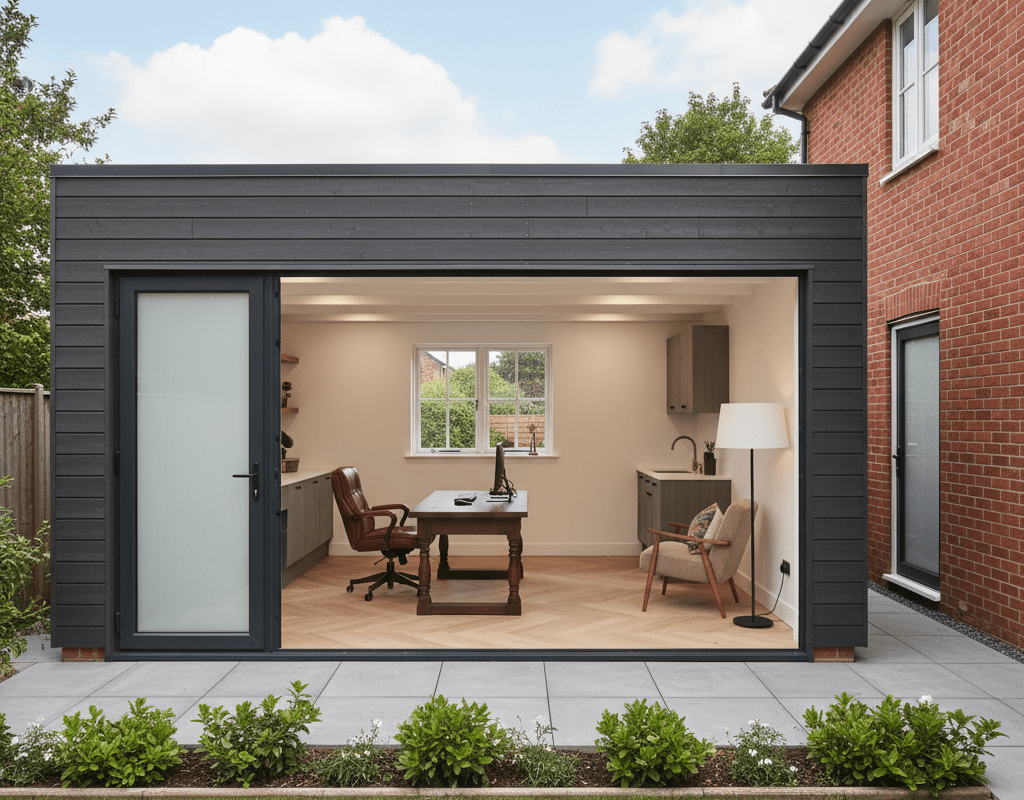


Bespoke Timber Joinery for Net Zero UK: The 2026 Standard
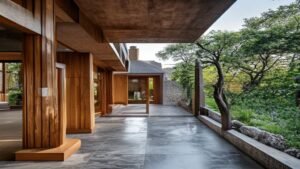
In 2026, the British construction landscape has shifted permanently toward the Future Homes Standard. Homeowners now prioritising energy efficiency and carbon sequestration are turning to bespoke timber joinery for Net Zero UK requirements.
Timber remains the only mainstream building material that naturally stores carbon. By choosing custom carpentry, you are not just enhancing your home; you are actively contributing to the UK’s 2050 climate goals.
The Role of Timber Joinery Craftsmanship in 2026
High-level timber joinery craftsmanship is no longer just about aesthetics. It is now a critical component in achieving the airtightness required by modern building regulations.
Precision-engineered timber frames and internal fittings minimise thermal bridging. This ensures that heat remains within the living space, reducing the load on heat pump systems.
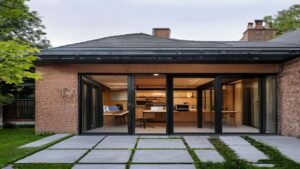
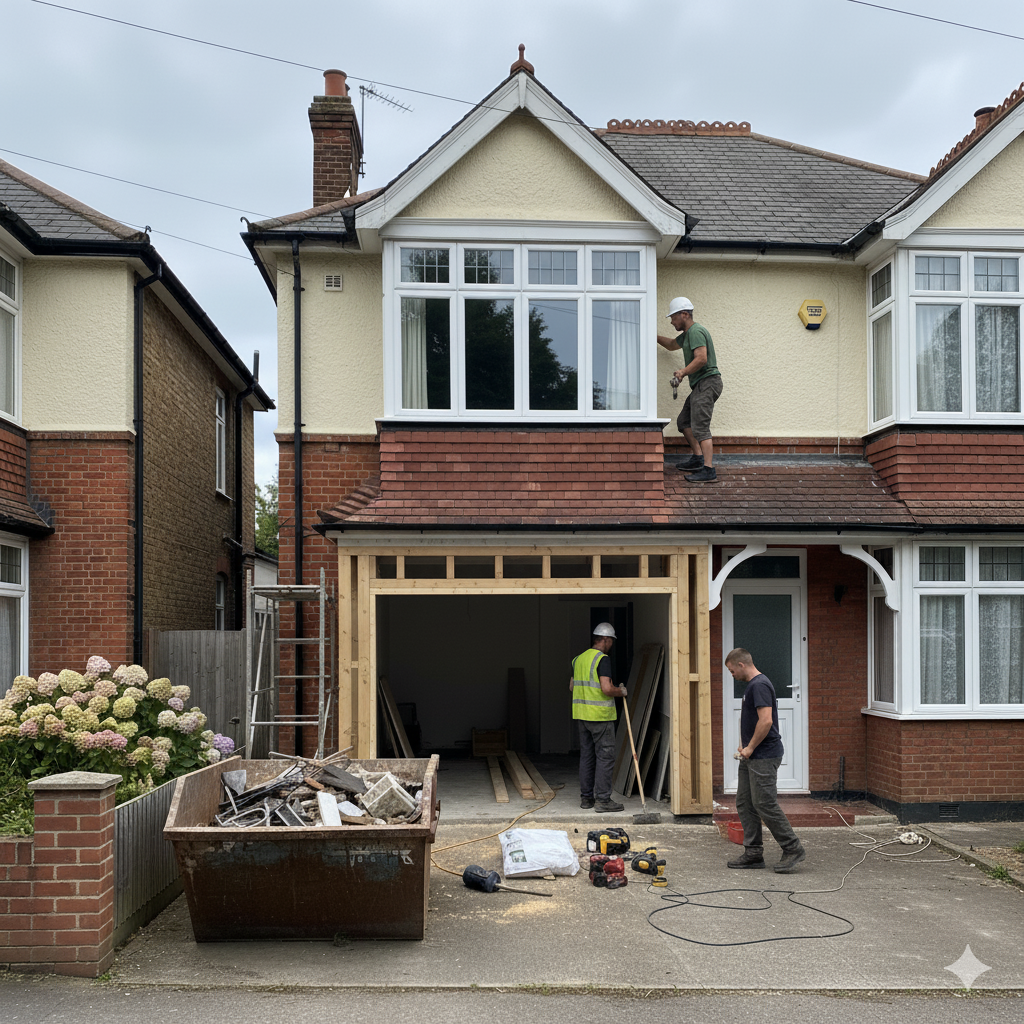
Our specialists often integrate these elements into wider renovation projects. You can explore how these materials complement high-performance house extensions to create a seamless, low-carbon thermal envelope.
FSC Certified Bespoke Furniture and Carbon Offsetting
Specifying FSC certified bespoke furniture ensures that every piece of timber used is traceable to responsibly managed forests. In 2026, traceability is a legal and ethical necessity for the discerning UK homeowner.
Choosing certified wood helps protect biodiversity while ensuring the longevity of our natural resources. This approach aligns perfectly with the circular economy principles dominating the London and South East property markets.
* Hardwoods: Best for high-traffic areas and structural longevity.
* Softwoods: Ideal for internal framing when treated correctly.
* Modified Timbers: Accoya and Thermowood offer enhanced durability for external joinery.
Space Saving Carpentry 2026: Maximising Urban Footprints
As UK property prices continue to rise, space saving carpentry 2026 trends focus on multi-functional utility. Every millimetre of a room must be optimised for modern living and remote working.
Integrated desk units, hidden storage under staircases, and fold-away furniture are now standard. These solutions allow smaller Net Zero homes to feel spacious and uncluttered.
Many clients are incorporating these smart designs into professional loft conversions. This transforms underutilised attic spaces into high-value, sustainable living areas with minimal environmental impact.
Fitted Wardrobes: Sustainability and Indoor Air Quality
When considering fitted wardrobes, sustainability involves more than just the wood. It includes the adhesives, oils, and lacquers used during the finishing process.
In 2026, we prioritise Low-VOC (Volatile Organic Compound) finishes to ensure healthy indoor air quality. This is particularly vital in the highly insulated, airtight environments of modern UK homes.
Meeting the Future Homes Standard with Custom Joinery
The Future Homes Standard requires a 75-80% reduction in carbon emissions for new builds. Bespoke timber joinery for Net Zero UK homes plays a pivotal role in meeting these stringent Part L targets.
Beyond insulation, timber acts as a natural hygroscopic material. This means it helps regulate humidity levels, preventing dampness without the need for mechanical intervention.
For those undertaking comprehensive property upgrades, our expert basement conversions often utilise timber panelling to add warmth and carbon storage to subterranean levels.
The Cost of Sustainable Timber in 2026
While material costs for timber have stabilised since the volatility of the early 2020s, quality remains a premium investment. High-performance timber is more cost-effective over its lifecycle than uPVC or aluminium.
Investing in bespoke joinery increases the ‘Green Premium’ of your property. Data shows that UK homes with high EPC ratings and sustainable features sell faster and at higher valuations.
* Longevity: Timber joinery can last 60+ years with basic maintenance.
* Repairability: Unlike plastic, wood can be sanded, repaired, and refinished.
* Recyclability: At the end of its life, timber is biodegradable or reusable.
Smart Home Integration in Joinery
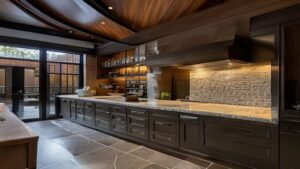
Modern joinery now frequently houses smart home technology. Discreetly carved channels within timber units allow for the seamless integration of sensors and automated lighting.
This technology helps monitor energy usage and internal climates. When combined with bespoke cabinetry, these systems become invisible, maintaining the aesthetic integrity of your home.
Choosing the Right Joinery Partner
Selecting a craftsman who understands the nuances of Net Zero requirements is essential. You need a partner who balances traditional skills with 2026 building science.
Always request a carbon footprint report for your project. Many leading UK joiners now provide detailed data on the embodied carbon of the materials they install.
Conclusion: Building for the Future
Bespoke timber joinery for Net Zero UK is the ultimate intersection of form and function. It provides a soul to sustainable architecture that synthetic materials simply cannot replicate.
By focusing on FSC certified bespoke furniture and space-saving solutions, you prepare your home for the next century. Sustainable living starts with the materials we touch every day.