Bespoke Timber Frames for Extensions: The 2026 Sustainability Standard
Choosing bespoke timber frames for extensions has become the gold standard for UK homeowners in 2026.
As we align with the Future Homes Standard, the demand for high-performance, low-carbon structures is at an all-time high.
Timber provides a unique blend of structural integrity and aesthetic warmth that traditional masonry often lacks.
It is the primary choice for those looking to reduce their carbon footprint while creating a striking architectural statement.
At In-Hire, we specialise in connecting you with the expertise needed for premium house extensions.
Our network prioritises sustainable timber joinery to ensure your project meets the rigorous 2026 building regulations.
Why Bespoke Timber is Dominating the UK Market
In 2026, the shift towards low carbon extension materials is no longer a niche preference.
Strict Part L requirements for thermal efficiency have made timber the most viable option for rapid, high-spec construction.
Bespoke timber frames allow for precision engineering off-site, reducing on-site waste and construction time.
This method is particularly effective for complex loft conversions where weight and structural flexibility are critical.
The Benefits of Sustainable Timber Joinery
* Superior Thermal Performance: Timber naturally insulates better than steel or concrete, reducing heat loss.
* Carbon Sequestration: Using timber locks away carbon dioxide, making your extension a carbon-negative structure.
* Breathable Envelopes: Modern timber frames allow moisture to escape, preventing damp issues in the British climate.
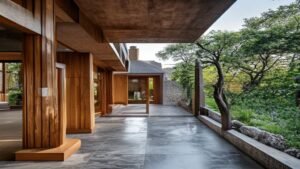
* Aesthetic Versatility: Whether you want exposed oak beams or hidden glulam structures, timber offers unparalleled design freedom.
Advanced Engineering with Glulam Beam Installations
One of the most significant trends this year is the rise of glulam beam installations in residential projects.
Glued laminated timber (glulam) provides the strength of steel but with a significantly lower environmental impact.
These beams allow for vast, open-plan spaces without the need for unsightly vertical pillars.
They are essential for homeowners in London and the South East seeking that minimalist, Scandinavian-inspired interior.
Expert bespoke carpentry UK wide has evolved to integrate these engineered timbers with smart home sensors.
This allows for real-time monitoring of structural health and moisture levels within the frame itself.
Comparison: Timber vs. Traditional Masonry (2026 Stats)
- Build Speed: Timber frames are typically 30% faster to erect on-site than brick and block.
- Sustainability: Timber has a 60% lower embodied carbon value compared to traditional UK building methods.
- Cost Efficiency: While material costs fluctuated in 2025, timber prices have stabilised, offering better long-term value through energy savings.
- Compliance: Timber frames easily exceed the 2026 Part O regulations regarding overheating and ventilation.
Navigating 2026 UK Building Regulations
Building an extension in 2026 requires a deep understanding of the updated Future Homes Standard.
Every bespoke timber frame must be designed to accommodate high levels of insulation without compromising the structural integrity.
Our specialists ensure that every commercial renovation or domestic project adheres to these stringent codes.
This includes integrating mechanical ventilation with heat recovery (MVHR) systems directly into the timber void.
Using bespoke carpentry UK professionals ensures that every joint is airtight and thermal bridge-free.
This precision is what differentiates a standard build from a high-performance, future-proofed home.
The Cost of Bespoke Timber Frames in 2026
While bespoke solutions carry a premium, the lifecycle costs are significantly lower than traditional alternatives.
Expect to pay between £1,800 and £3,000 per square metre for a high-spec timber frame extension this year.
Factors influencing the price include the choice of timber—such as Siberian Larch or UK-grown Douglas Fir—and the complexity of the glulam beam installations.
Investing in quality materials now prevents expensive retrofitting costs as UK energy standards continue to tighten.
Key Financial Considerations
* Design Fees: Bespoke frames require detailed architectural drawings and structural engineering calculations.
* Foundations: Timber frames are lighter, often allowing for less invasive and cheaper screw pile foundations.
* Cladding Options: Sustainable timber joinery pairs perfectly with charred timber (Shou Sugi Ban) or zinc cladding for a modern finish.
* Labour: Skilled timber framers are in high demand; booking your team 6 months in advance is recommended in 2026.
Design Trends: Integrating Smart Glass and Timber
We are seeing a massive surge in the integration of ‘smart glass’ within bespoke timber frames.
This technology automatically tints to prevent overheating, working in tandem with the timber’s natural insulating properties.
In regions like the Cotswolds and Manchester, homeowners are opting for large-span glulam frames to house these glazing units.
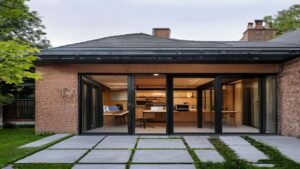
This creates a seamless transition between the interior living space and the outdoor garden environment.
Furthermore, the use of reclaimed timber for interior bespoke carpentry UK wide is a major trend.
It adds character and history to a new extension, grounding the modern structure in traditional British craftsmanship.
Final Steps for Your Timber Frame Project
Before breaking ground, ensure your planning permission accounts for the specific dimensions of a timber frame.
While many extensions fall under permitted development, bespoke designs often require a full planning application to satisfy local authorities.
Always vet your contractors for their experience with low carbon extension materials and modern air-tightness testing.
At In-Hire, we provide the platform to find these elite tradespeople who understand the nuances of 2026 construction.
Choose a partner who values sustainability as much as structural excellence.
Your new timber-framed extension will be a testament to modern engineering and environmental responsibility for decades to come.