

Annex Construction UK 2026: Your Definitive Planning Guide
Annex construction UK 2026 has become the leading strategy for UK homeowners looking to increase property value and accommodate multi-generational living. Whether you are building a space for elderly parents or creating a high-tech home office, understanding the modern landscape of ancillary accommodation UK is essential.
In 2026, the demand for sustainable, smart, and independent living spaces has reached an all-time high. This guide explores the latest trends in house extensions and how to navigate the complexities of 2026 construction standards.
Understanding Granny Flat Planning Laws 2026
The regulatory environment for granny flat planning laws 2026 has evolved significantly to support the UK’s Net Zero targets. All new annexes must now comply with the updated Part L and Part O building regulations, focusing on thermal efficiency and overheating prevention.
Most annexes require full planning permission if they are intended for primary living, though some fall under the ‘Caravan Act’ or ‘Permitted Development’ if they are not fully self-contained. Our team provides expert guidance on navigating these hurdles during loft conversions and garden builds.
Key Planning Requirements for 2026
* Ancillary Use: The annex must remain subordinate to the main dwelling and cannot be sold as a separate entity.
* Sustainability Credits: Planning departments now favour designs incorporating heat pumps and solar arrays.
* Biodiversity Net Gain: Small-scale developments must demonstrate a 10% increase in local biodiversity.
* Occupancy Ties: Legal agreements often restrict the annex to be used only by family members or guests.
Multi-Generational House Design Trends
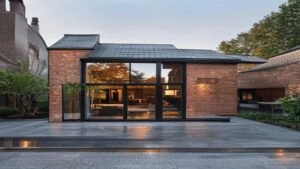
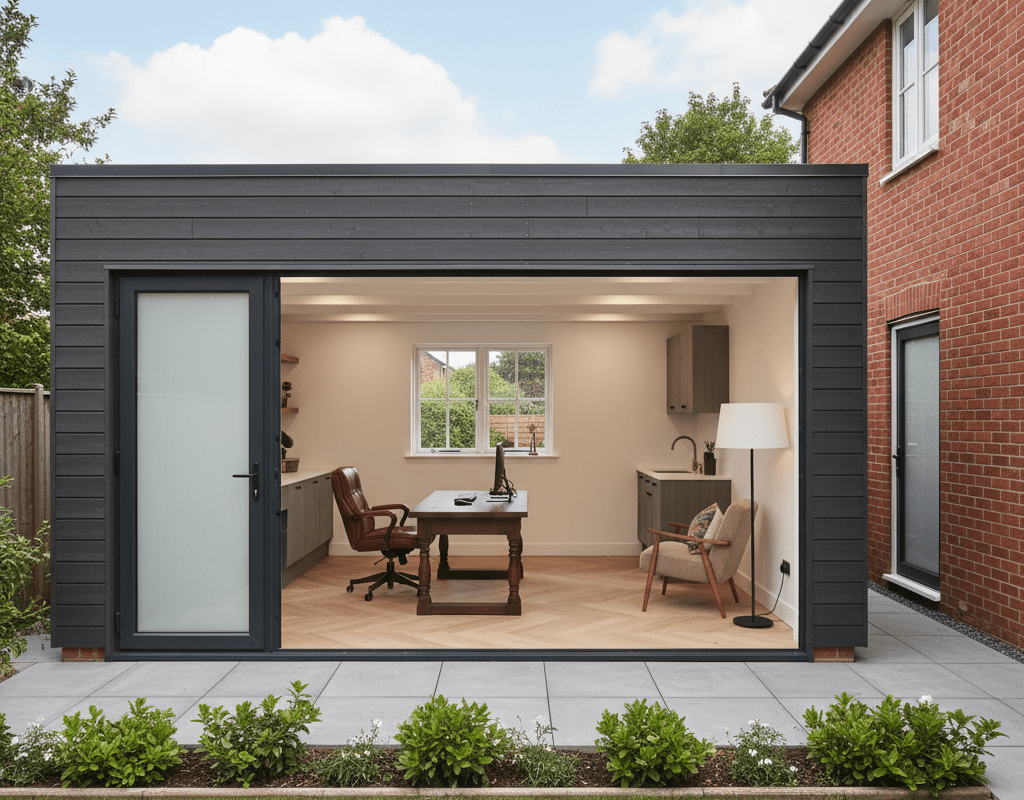
Modern multi-generational house design in 2026 focuses on ‘Future-Proofing’ and accessible luxury. We are seeing a shift towards modular timber frames and zinc-clad exteriors that offer rapid installation and superior insulation.
Smart home integration is no longer optional in these builds, with automated lighting and climate control becoming standard. If you are considering a major transformation, a home renovation often provides the perfect opportunity to integrate an annex.
Essential Design Features
- Level Access: Threshold-free entryways for mobility and long-term accessibility.
- Zonal Heating: Independent heat pump systems to manage energy consumption separately from the main house.
- Acoustic Insulation: Enhanced soundproofing between the main house and the self-contained unit.
- Natural Light: Large skylights and floor-to-ceiling glass to maximise vitamin D and wellbeing.
Self-Contained Annex Costs in 2026
Estimating self-contained annex costs requires a look at current material price indices and labour availability in 2026. On average, a high-spec, 30-square-metre annex starts from approximately £85,000, including VAT.
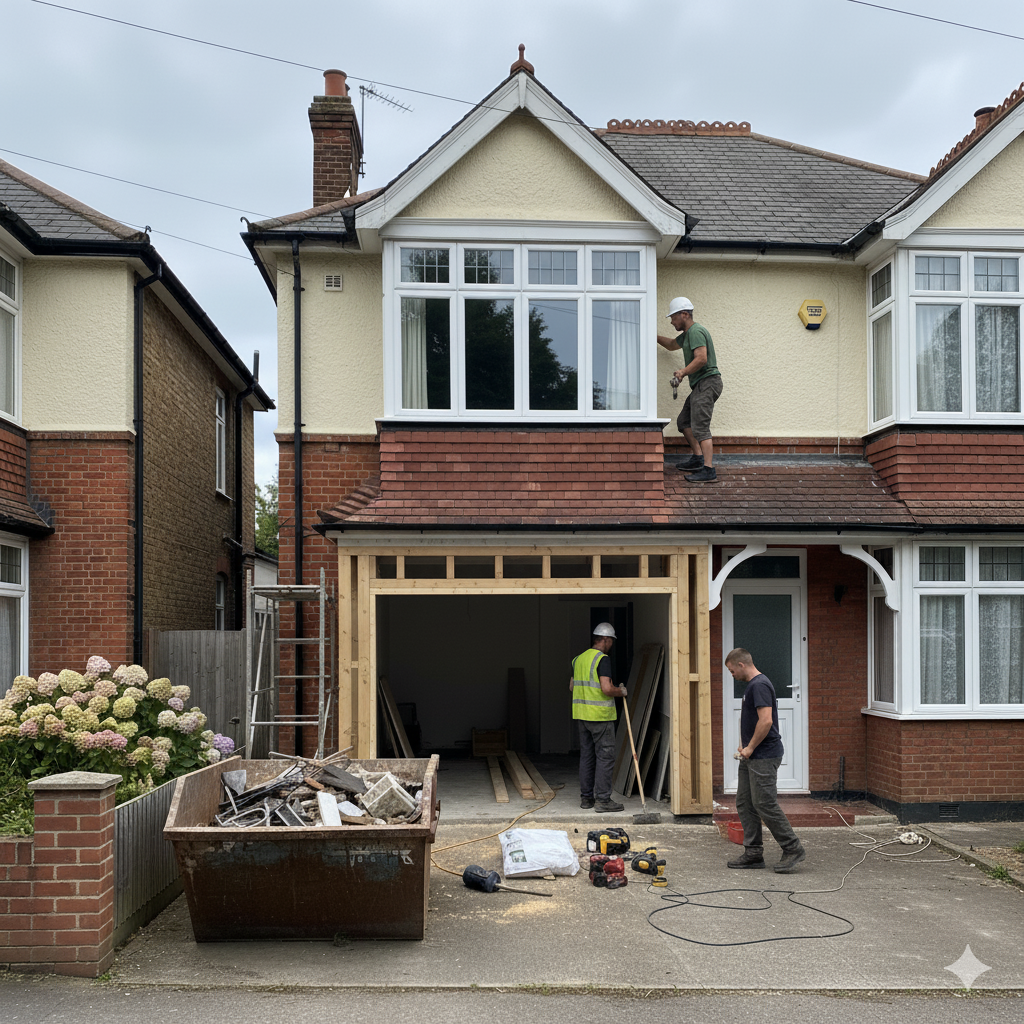
While prefabricated modular units can reduce labour costs on-site, the groundworks and utility connections remain significant variables. Professional project management is vital to keep these budgets under control during the construction phase.
Budget Breakdown Table
* Groundworks & Foundations: £8,000 – £12,000
* Superstructure (Timber Frame/Brick): £45,000 – £60,000
* Utilities (Water, Waste, Electricity): £5,000 – £9,000
* Internal Fit-out (Kitchen, Bathroom): £15,000 – £25,000
* Professional Fees & Planning: £4,000 – £7,000
Technical Considerations for Ancillary Accommodation UK
When planning ancillary accommodation UK, you must consider the long-term impact on your property’s carbon footprint. The 2026 Building Regulations mandate that all new structures meet ‘Future Homes Standard’ criteria.
This means moving away from gas boilers toward air-source heat pumps and infra-red heating panels. Furthermore, wastewater management systems must be integrated with existing drainage networks without overtaxing the local infrastructure.
Construction Steps Checklist
* Conduct a topographical site survey to determine levels.
* Submit a pre-planning application to the local council.
* Design the structural frame using sustainable UK-sourced materials.
* Install high-performance double or triple glazing to meet Part L.
* Ensure the electrical board can handle the additional load of an annex.
Choosing Between Traditional and Modular Construction
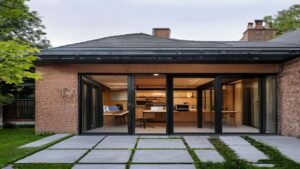
Traditional brick-and-mortar builds offer a seamless aesthetic match to Victorian or Georgian properties. However, they typically take 12 to 16 weeks to complete on-site, causing significant disruption.
Modular annexes are constructed off-site in controlled environments and delivered as finished components. This method is becoming the gold standard for annex construction UK 2026 due to its precision and minimal site impact.
Benefits of Modular Annexes
* Speed: On-site construction time is reduced by up to 70%.
* Waste Reduction: Precision factory cutting reduces material waste by 40%.
* Fixed Pricing: Costs are often locked in at the point of order, protecting you from inflation.
* Energy Efficiency: Highly insulated panels provide near Passivhaus standards of comfort.
Adding Value to Your Property
An annex is widely considered one of the best investments a UK homeowner can make in 2026. Research suggests that a well-designed self-contained unit can add between 20% and 30% to the overall property valuation.
This is particularly true in high-demand areas like London, Manchester, and the Cotswolds. The ability to generate rental income or provide care for a relative makes these structures incredibly versatile assets.
Final Checklist Before You Start
- Check your property deeds for restrictive covenants against secondary dwellings.
- Consult with a structural engineer regarding soil conditions and foundations.
- Verify the capacity of your current broadband to extend to the new build.
- Confirm VAT status, as some annexes for disabled use may be zero-rated.
- Obtain at least three quotes from vetted UK contractors.
Annex construction UK 2026 represents the pinnacle of modern residential engineering. By following this guide, you can ensure your project is compliant, cost-effective, and aesthetically stunning.