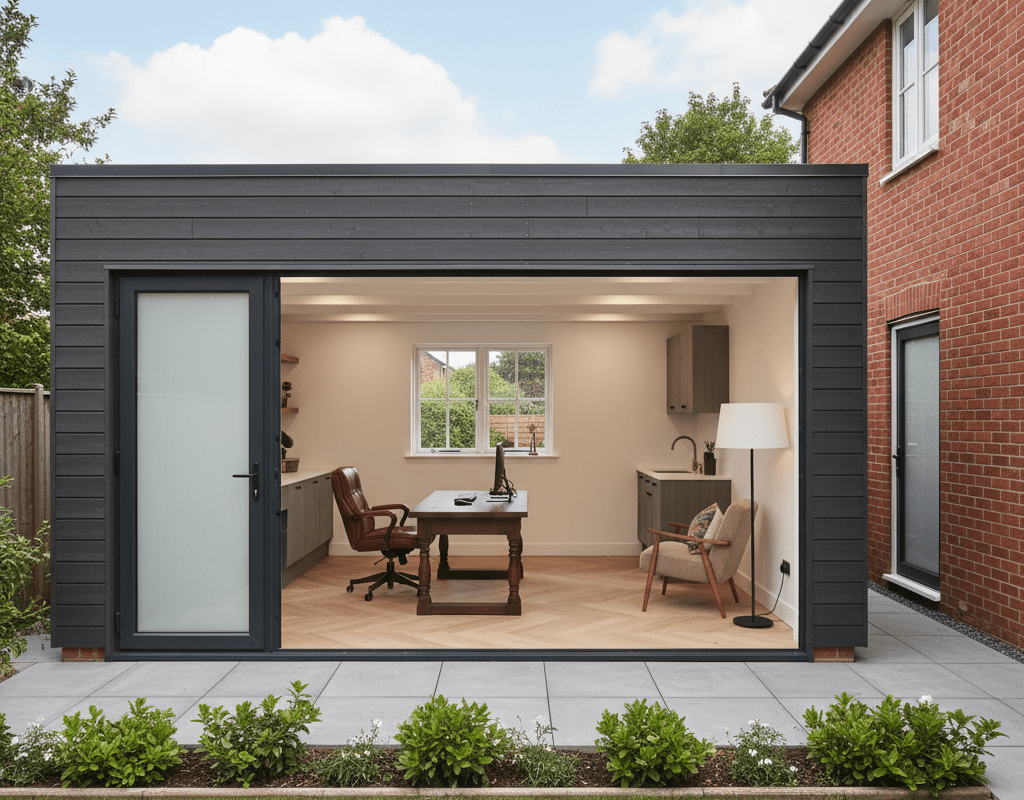


Creating a sanctuary for productivity starts with effective Acoustic Partitioning for Home Offices. As remote work becomes a permanent fixture in the UK landscape, noise control is now a structural priority for modern homeowners.
Investing in high-quality soundproofing ensures that your professional environment remains undisturbed by domestic life. Our guide explores the latest 2026 innovations in acoustic wall partitions* and *soundproof dry lining UK standards.
Why Acoustic Performance Matters in 2026
The demand for quiet workspace has surged as households become multi-functional hubs. Proper home office soundproofing is no longer a luxury but a necessity for mental clarity and video conference professionalism.
Modern UK Building Regulations, specifically Part E sound insulation updates, have raised the bar for residential acoustic performance. Integrating these standards during your house extension ensures long-term property value.
The Core Benefits of Acoustic Partitioning
* Enhanced Privacy: Prevent sensitive business conversations from being overheard in the rest of the house.
* Increased Focus: Eliminate the distractions of household appliances, children, or traffic noise.
* Property Valuation: Homes with dedicated, sound-managed workspaces command higher market premiums in London and Manchester.
* Regulated Compliance: Future-proof your home by meeting or exceeding current UK building standards.
Understanding Part E Sound Insulation Standards
The 2026 revisions to Part E sound insulation focus heavily on reducing both airborne and impact sound. These regulations apply to new builds and conversions, ensuring a minimum decibel reduction across internal walls.
When planning a loft conversion, achieving these decibel ratings requires specialized materials. High-density acoustic mineral wool and resilient bars are now the industry baseline for compliance.
Key Part E Requirements
- Airborne Sound: Reducing the transmission of voices and music through the wall structure.
- Impact Sound: Dampening the vibration from footsteps or furniture movement above the workspace.
- Flanking Transmission: Preventing sound from traveling around the partition through floorboards or ceiling voids.
Innovative Materials for Soundproof Dry Lining UK
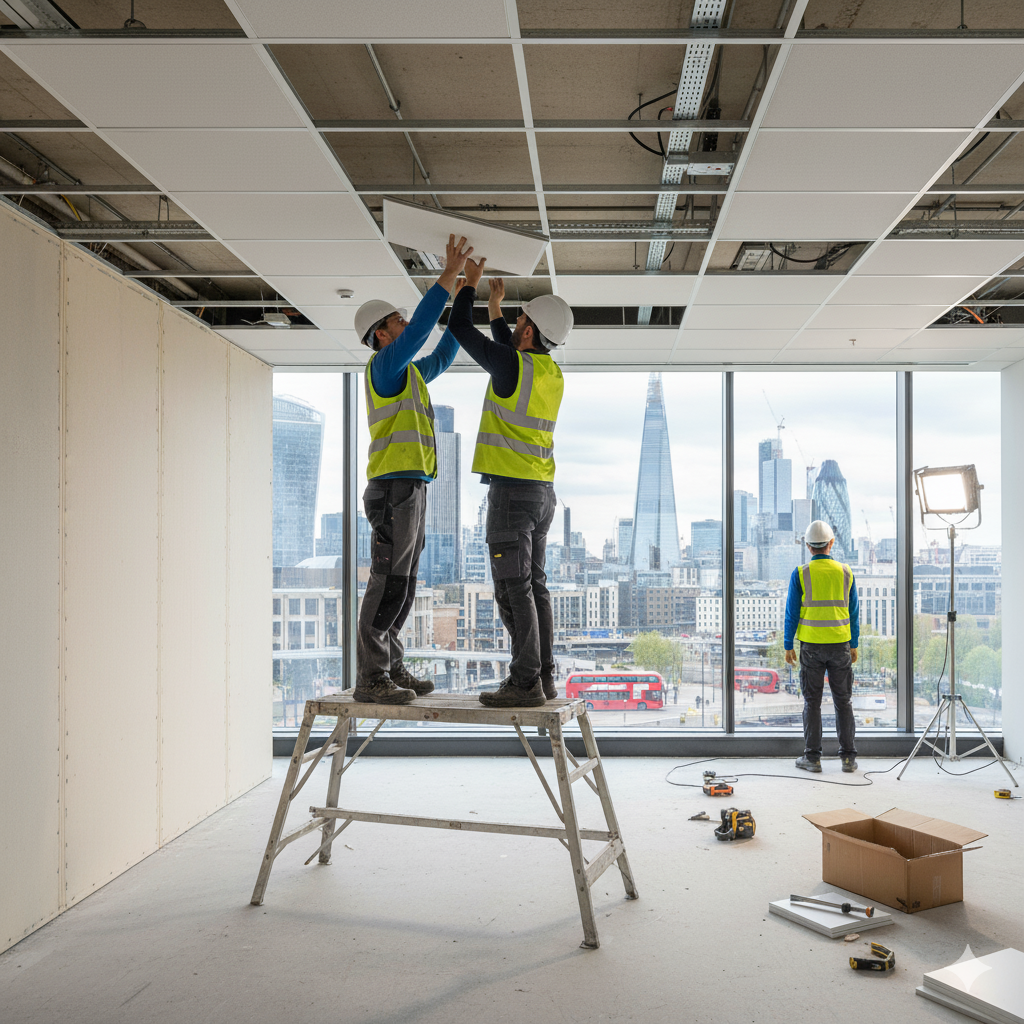
Traditional plasterboard is often insufficient for a truly quiet home office environment. In 2026, soundproof dry lining UK technology utilizes multi-layer systems designed to absorb and deflect sound energy.
Technicians now favour “blue” acoustic boards which feature a higher density core than standard ivory boards. These are often combined with visco-elastic damping compounds to create a decoupled wall system.
Top Materials for 2026 Installations
* Acoustic Plasterboard: High-density gypsum boards designed to provide superior mass.
* Resilient Channels: Metal tracks that ‘decouple’ the drywall from the timber frame, breaking vibration paths.
* Mass Loaded Vinyl (MLV): A flexible, heavy material used as an internal layer to block airborne sound.
* Acoustic Sealants: Specialist non-setting caulks used to plug every microscopic air gap in the partition.
Choosing the Right Acoustic Wall Partitions
Selecting the correct acoustic wall partitions depends on the level of noise you need to mitigate. Glass partitions with acoustic PVB interlayers are popular for maintaining light flow while blocking up to 50dB of sound.
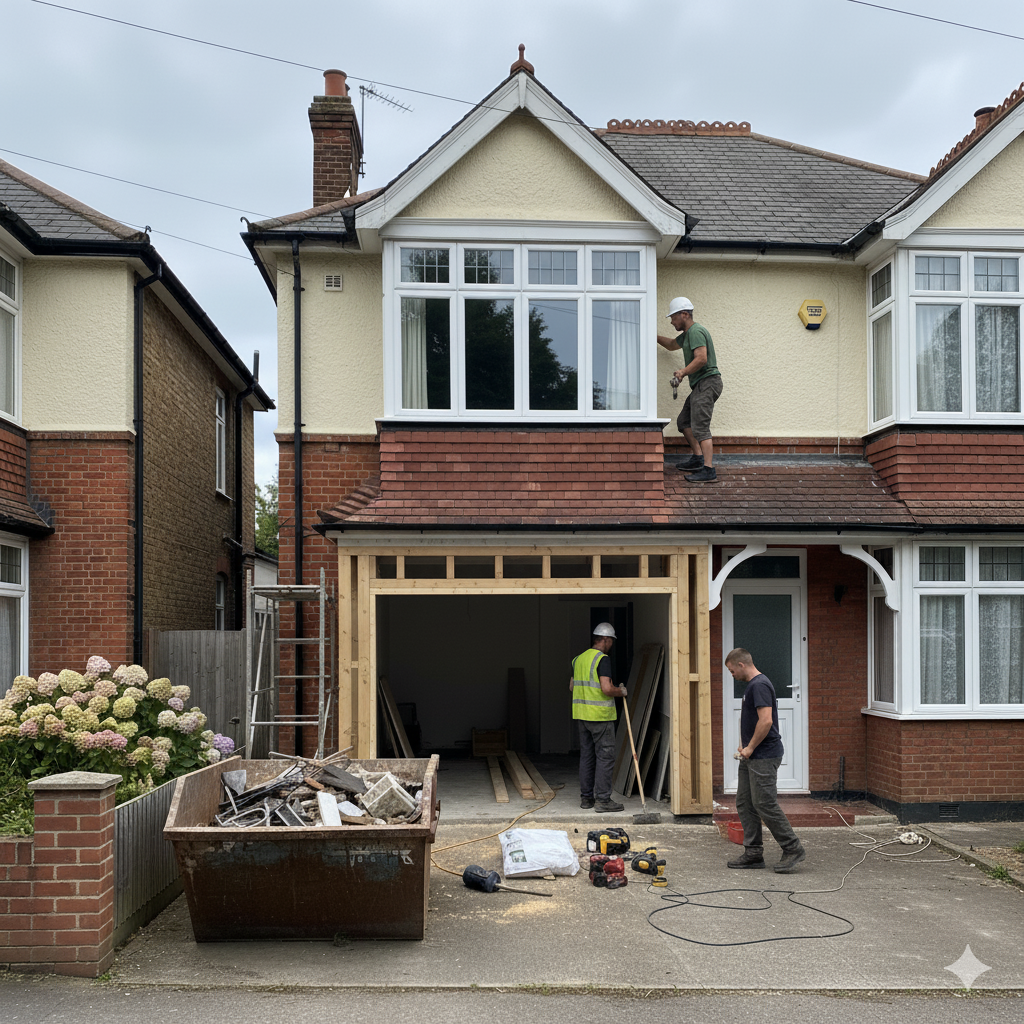
For those seeking a more traditional aesthetic, timber stud walls packed with 60kg/m3 mineral wool offer excellent thermal and acoustic properties. This is particularly effective during a garage conversion where external noise is a major factor.
Types of Partitioning Systems
- Fixed Stud Partitions: Ideal for permanent office structures using timber or metal frames.
- Acoustic Glass Walls: Perfect for modern, open-plan homes that require a visual connection but auditory separation.
- Modular Acoustic Pods: Prefabricated units that can be installed quickly without major structural changes.
The Installation Process: A Step-by-Step Guide
Achieving professional-grade home office soundproofing requires precision during the installation phase. Even a small gap of 1% in the partition can lead to a 50% reduction in acoustic performance.
Our recommended installation process focuses on the ‘Mass-Air-Mass’ principle. This involves creating a sandwich of materials that traps sound energy and converts it into heat.
Professional Installation Steps
* Frame Preparation: Installing a decoupled metal or timber frame with flanking strips.
* Insulation Infill: Tightly packing the cavity with acoustic-grade mineral wool without leaving gaps.
* Resilient Bar Attachment: Mounting bars horizontally to the studs to minimize direct contact with the boarding.
* Boarding and Sealing: Applying two layers of staggered acoustic board, finished with acoustic sealant at all perimeters.
2026 Cost Expectations for UK Homeowners
Costs for Acoustic Partitioning for Home Offices have stabilized in 2026 due to improved supply chains for sustainable materials. A standard 3m x 2.4m partition typically ranges from £1,800 to £3,500 depending on the dB rating required.
Investing in higher-end solutions often yields better ROI through energy efficiency and superior comfort. Always ensure your quote includes VAT and a certificate of compliance for building regulations.
Budget Breakdown Factors
* Decibel Rating: Higher sound reduction (e.g., 55dB+) requires more expensive, multi-layered material configurations.
* Finish Quality: Acoustic plasters and architectural glass finishes increase the aesthetic and financial investment.
* Access: Difficult installations in upper-floor flats or heritage buildings may incur additional labour costs.
Sustainability and Net Zero Acoustics
In 2026, the construction industry is focused on Net Zero targets and low-carbon materials. Many acoustic products are now manufactured from recycled textiles or carbon-sequestering hemp fibres.
These sustainable options provide excellent acoustic wall partitions while reducing the environmental footprint of your home renovation. Choosing eco-friendly insulation also improves the indoor air quality of your workspace.
Eco-Friendly Acoustic Choices
* Recycled Polyester Batts: Made from diverted plastic waste, offering high sound absorption.
* Cork Wall Tiles: A natural, renewable material that provides excellent high-frequency dampening.
* Low-VOC Adhesives: Ensuring your soundproof office is free from harmful chemical off-gassing.
Conclusion: Future-Proofing Your Productivity
Implementing professional Acoustic Partitioning for Home Offices* is an investment in your career and your home’s longevity. By adhering to *Part E sound insulation standards, you create a space that meets the high demands of the 2026 economy.
Whether you are upgrading an existing room or planning a new extension, prioritising sound management is essential. A quiet home office is the ultimate tool for professional success in the modern age.