



The Ultimate Guide to Acoustic Dry Lining London: 2026 Standards
Achieving silence in the heart of the capital has never been more challenging or necessary.
As of 2026, the demand for high-performance acoustic dry lining London wide has reached an all-time high.
With more Londoners working from home than ever, sound insulation is no longer a luxury.
It is a fundamental requirement for productivity and mental well-being in our bustling metropolis.
Whether you are refurbishing a Victorian terrace or fitting out a modern apartment, understanding acoustics is vital.
This guide explores the latest technologies and regulations shaping the UK construction landscape this year.
Why Acoustic Dry Lining London Projects Are Rising in 2026
London’s density creates unique challenges for noise pollution and vibration transfer between properties.
Recent updates to urban planning have prioritised higher-density living, making soundproofing a top priority for developers.
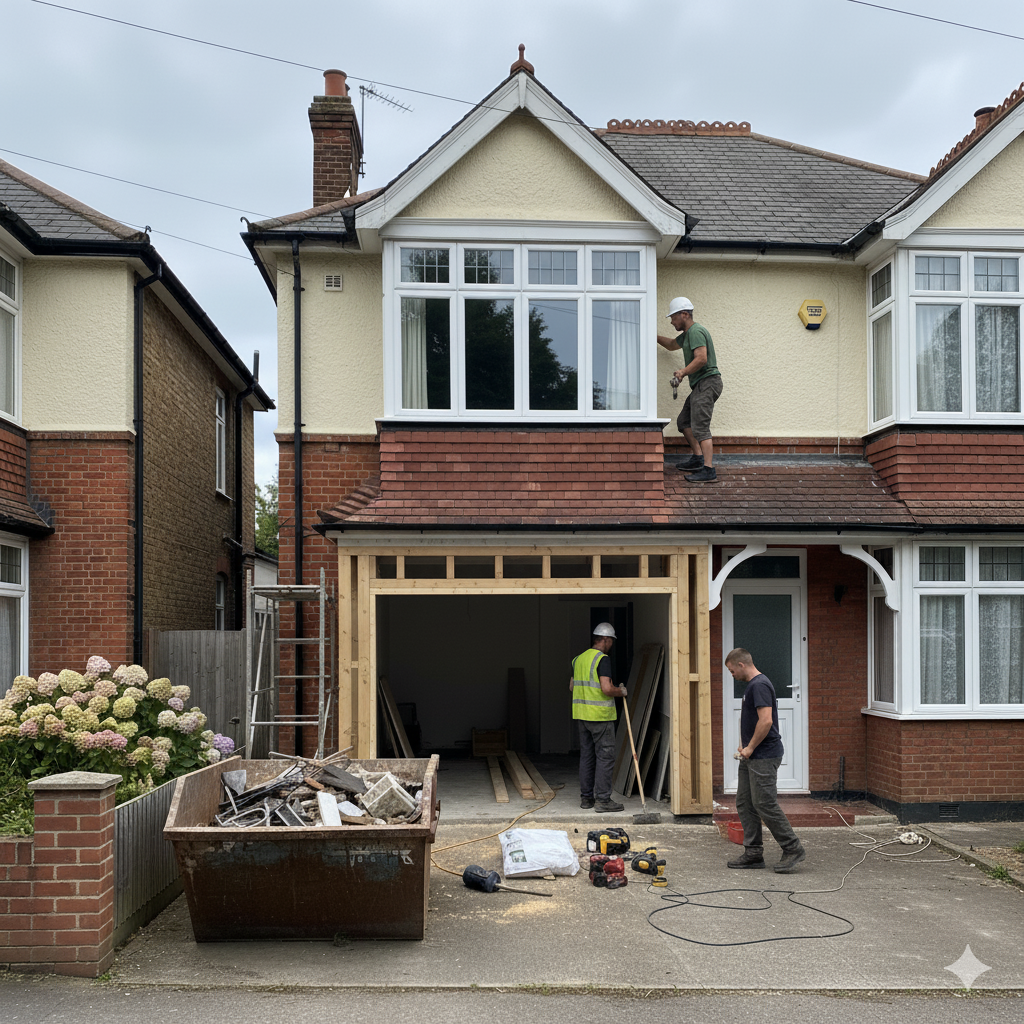
Modern house extensions now frequently incorporate advanced acoustic barriers as standard.
Homeowners are increasingly investing in noise reduction to shield themselves from external traffic and internal footfall.
Strategic acoustic dry lining London services help mitigate these issues effectively.
By using specialist materials, we can create serene environments even in the busiest boroughs.
Navigating Part E Building Regs 2026 Requirements
The 2026 update to the Building Regulations has introduced stricter thresholds for sound transmission.
Compliance with Part E building regs 2026 is now mandatory for all new builds and conversions in the UK.
These regulations specifically target the resistance to the passage of sound between domestic dwellings.
Inspectors now require documented proof of both airborne and impact sound insulation performance.
* Airborne Sound: Focuses on noise from speech, music, and televisions passing through walls.
* Impact Sound: Concerns vibrations such as footsteps or moving furniture on floors above.
* Pre-Completion Testing: Most London projects now require mandatory on-site acoustic testing before sign-off.
Failing to meet these standards can result in costly remediation work and legal delays.
Working with experts ensures your project meets or exceeds these rigorous 2026 benchmarks.
The Rise of Multizone Living Partitions
Open-plan living is evolving into a more flexible concept known as ‘broken-plan’ or ‘multizone’ living.
This involves creating multizone living partitions that allow spaces to be divided or opened as needed.
These partitions must provide excellent acoustic separation to allow different activities to occur simultaneously.
For instance, a home office can now sit directly adjacent to a cinema room without noise bleed.
Implementing high-quality loft conversions often requires these sophisticated zoning solutions.
They ensure that new upper-floor spaces remain quiet sanctuaries away from the main household noise.
Advanced Acoustic Plasterboard Installation Techniques
Success in soundproofing depends heavily on the precision of your acoustic plasterboard installation.
Standard boards are no longer sufficient to meet the expectations of high-end London residential clients.
We now utilise high-density blue acoustic boards which offer significantly better mass than traditional plasterboard.
When combined with resilient bars, these systems ‘decouple’ the wall surface from the structure.
Precision at the edges is critical, as even a 1mm gap can reduce the wall’s performance by up to 50%.
Our teams prioritise airtightness to ensure no sound leaks occur through flanking paths.
Designing Effective Soundproof Partition Walls
Creating soundproof partition walls requires a holistic approach to material selection and structural design.
In 2026, we are seeing a shift towards sustainable, carbon-neutral acoustic materials.
Timber-based acoustic panels and recycled cellulose insulation are becoming popular choices for eco-conscious builds.
These materials offer excellent dampening properties while supporting Net Zero construction goals.
When planning a basement conversion, acoustic partitions are essential for blocking mechanical noise.
Plant rooms and laundry areas must be isolated from living spaces using these heavy-duty systems.
* Staggered Stud Walls: Use two separate rows of studs to ensure no physical connection between wall faces.
* Mass Loaded Vinyl (MLV): Add thin, high-density layers to provide extra sound blocking without adding bulk.
* Green Glue Damping: Apply constrained-layer damping compounds between plasterboard sheets to convert noise into heat.
Current Costs and Material Trends in 2026
Material costs in the UK have stabilised in 2026, though high-performance acoustic components remain a premium investment.
Expect to pay roughly 20-30% more for acoustic-grade materials compared to standard dry lining components.
However, the value added to a London property through professional soundproofing far outweighs the initial outlay.
Properties that boast ‘silent living’ certificates are fetching significantly higher market prices in 2026.
Investing in quality now prevents the need for invasive retrofitting in the future.
Always ensure your contractor provides a detailed breakdown of the acoustic ratings (dB) for every specified wall type.
Why Choose In-Hire for Your London Project
At In-Hire, we bring over two decades of expertise to every acoustic dry lining London project.
Our team stays ahead of the curve by mastering the latest 2026 building techniques and material innovations.
We understand the architectural nuances of London’s diverse building stock, from Georgian brickwork to steel-framed high-rises.
Our commitment to quality ensures that your space is not only beautiful but acoustically superior.
Don’t leave your peace of mind to chance with substandard soundproofing measures.
Contact us today to discuss how we can transform your London property with professional acoustic solutions.