


Acoustic Dry Lining for Home Offices UK: The 2026 Efficiency Guide
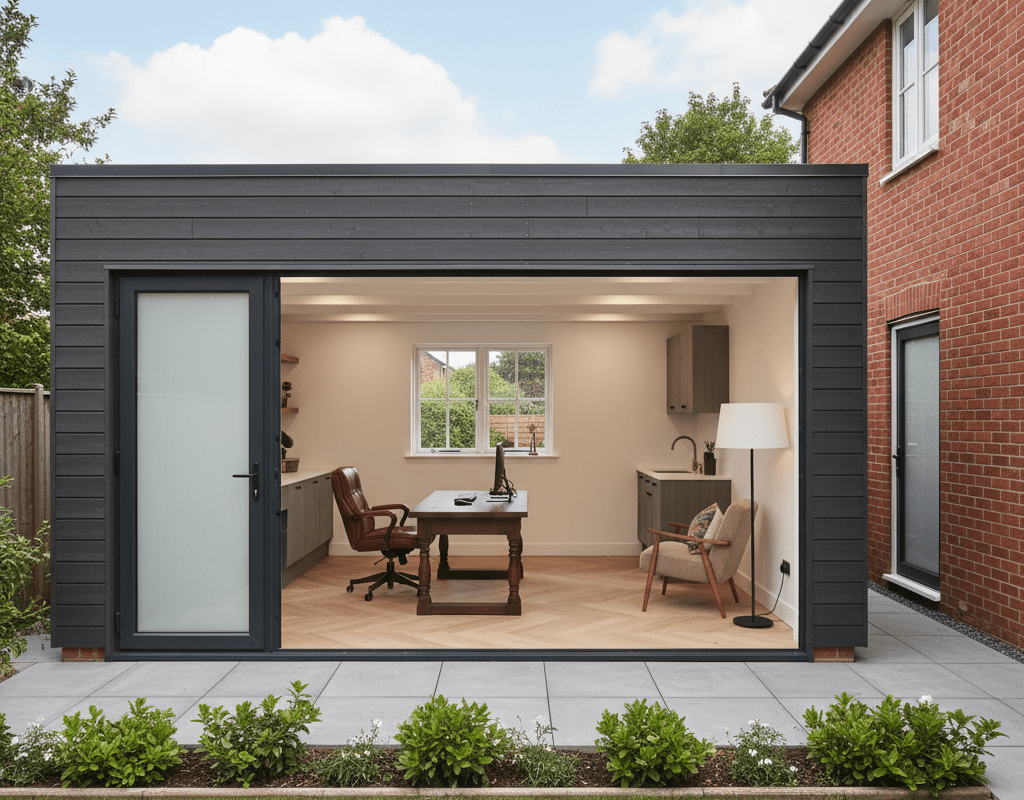
Creating a quiet workspace is essential as hybrid working remains the standard for UK professionals in 2026. Investing in high-performance acoustic dry lining for home offices UK ensures a productive environment free from domestic distractions.
Effective sound insulation is no longer a luxury but a structural necessity for modern residential properties. By utilising advanced materials, you can achieve professional-grade silence even in the busiest British households.
Why Acoustic Dry Lining is Essential in 2026
Modern construction often prioritises thermal efficiency, yet sound transmission frequently remains an overlooked issue. Acoustic dry lining for home offices UK addresses this by adding density and decoupling surfaces to block noise.
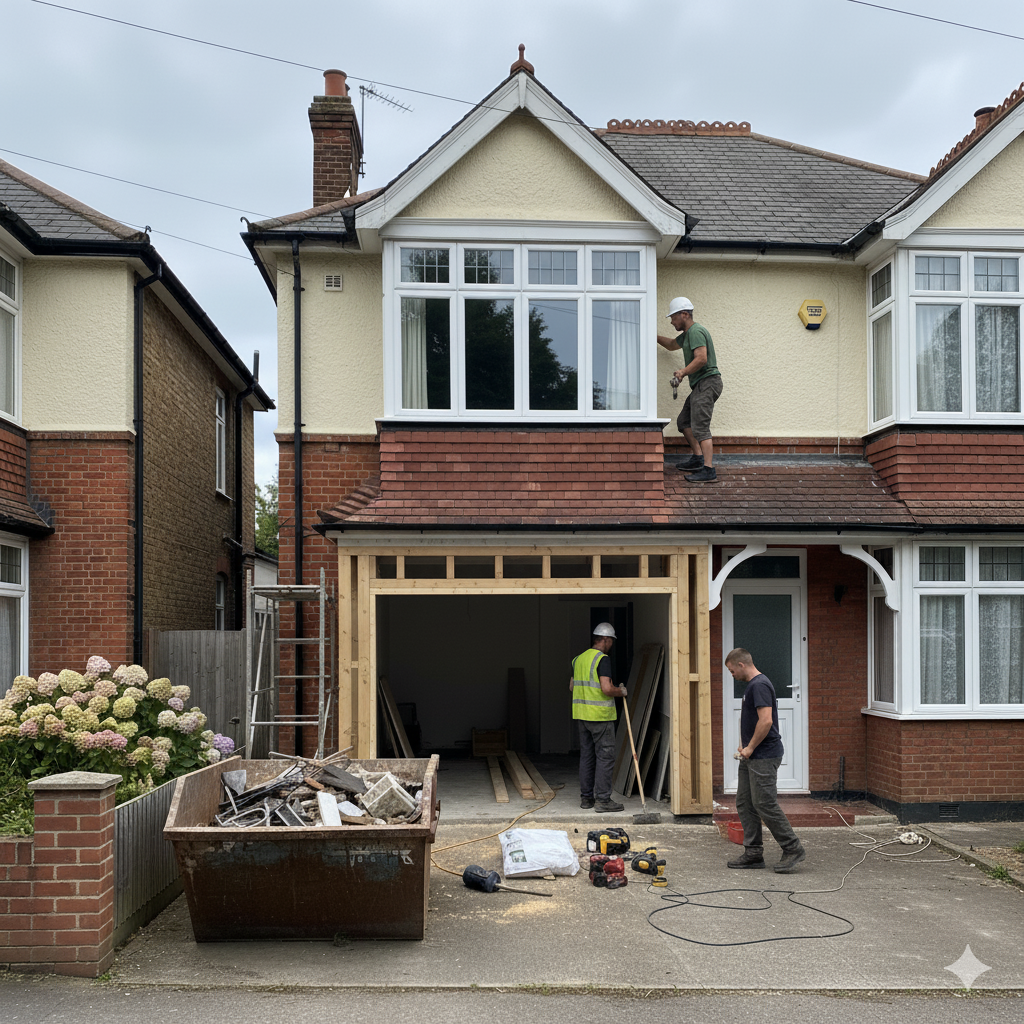
Whether you are dealing with traffic noise in London or family life in Manchester, these systems provide a critical acoustic barrier. You can explore our full range of house extensions to see how we integrate these systems into new builds.
Key Benefits of Soundproofing Your Workspace
* Significant reduction in airborne noise like speech and television audio.
* Improved thermal mass contributing to Net Zero energy goals.
* Enhanced property value through high-specification interior finishes.
* Compliance with updated 2026 Part E building regulations for noise control.
Understanding Soundproof Stud Walls UK
The foundation of a quiet office often starts with the installation of soundproof stud walls UK residents can rely on. These structures use metal or timber frames specifically designed to minimise vibration transfer between rooms.
In 2026, many homeowners are opting for twin-frame partitions which create a physical gap that sound waves cannot easily cross. This approach is superior to traditional single-frame construction for blocking low-frequency sounds.
2026 Partitioning Materials
- Acoustic C-Studs: Specialised metal profiles that flex slightly to absorb sound energy.
- Resilient Channels: Metal strips that decouple the plasterboard from the structural frame.
- High-Density Mineral Wool: Sustainable insulation that sits within the cavity to dampen echoes.
Advanced Acoustic Plasterboard Installation Techniques
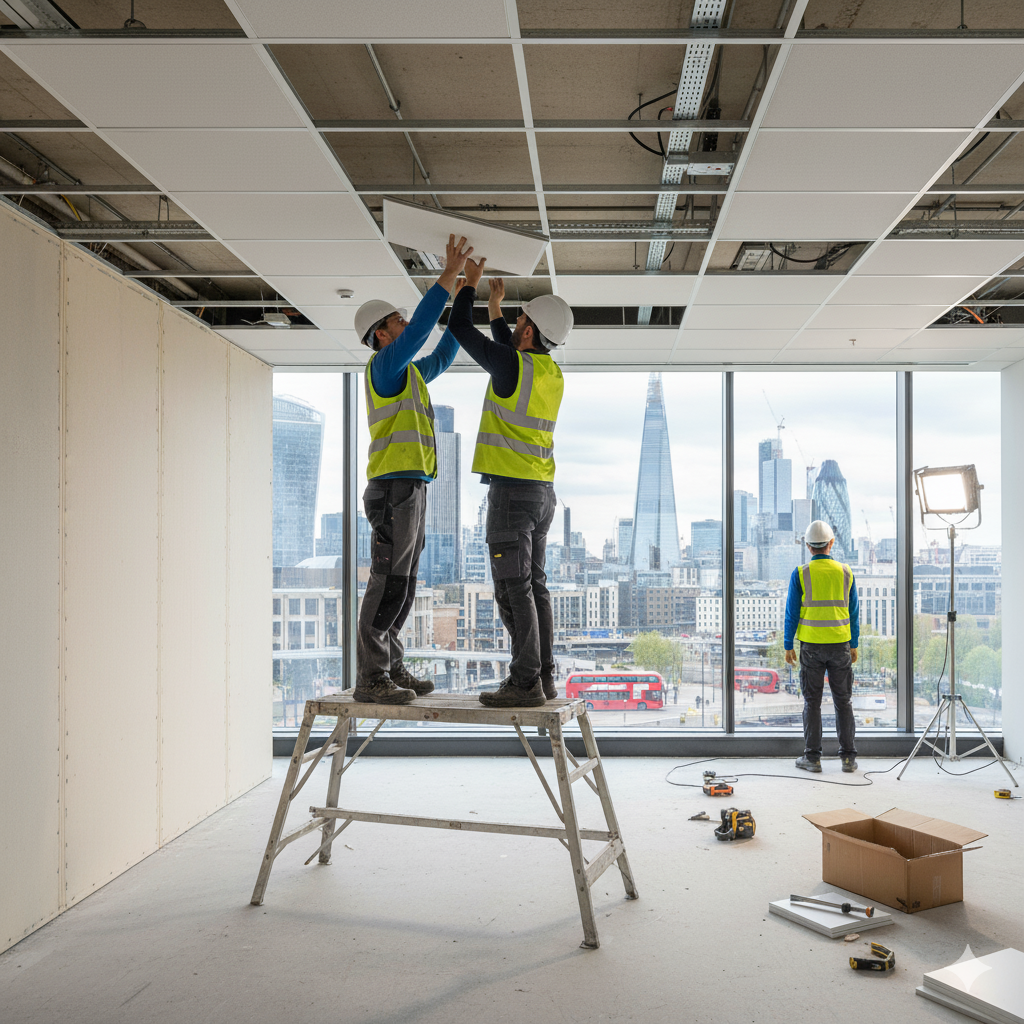
A standard wall uses basic gypsum, but professional acoustic plasterboard installation requires high-density blue or purple boards. These boards are significantly heavier, which is the primary factor in stopping sound transmission.
In 2026, we are seeing a rise in ‘smart’ acoustic boards that incorporate visco-elastic damping layers. These layers convert sound energy into microscopic amounts of heat, virtually eliminating noise bleed.
Step-by-Step Installation Process
* Assess the existing structure for weak points like air gaps or thin masonry.
* Install the framing system with a perimeter isolating tape to prevent flanking noise.
* Pack the cavity with 100mm acoustic mineral wool for maximum absorption.
* Stagger the joints of the acoustic plasterboard to ensure no direct paths for sound.
* Seal all perimeters with acoustic intumescent sealant to maintain an airtight finish.
For those looking to renovate, our refurbishment services cover the end-to-end integration of these high-performance materials.
Innovative Home Office Partitioning Ideas
If you are working with a large open-plan space, modern home office partitioning ideas focus on flexibility and sound control. Moveable acoustic walls are becoming popular in 2026, allowing for multi-functional living spaces.
Glazed acoustic partitions are another trend, using laminated ‘silent’ glass to maintain natural light while blocking up to 50dB of noise. This ensures your office feels spacious without compromising on the privacy needed for video calls.
Designing for Focus
* Use ‘Zoned’ lighting that complements the acoustic layout of the room.
* Incorporate acoustic wall panels made from recycled UK wool for aesthetic dampening.
* Position your desk away from the ‘weakest’ acoustic point, usually the door.
Navigating Part E Building Regulations in 2026
All structural changes must adhere to Part E building regulations, which govern resistance to the passage of sound. Recent 2026 updates have tightened these requirements for home-to-home and room-to-room transmission.
When installing acoustic dry lining for home offices UK, you must ensure the system meets the minimum decibel reduction targets. Failure to comply can lead to issues during property surveys or when seeking building control sign-off.
Compliance Checklist
- Ensure all materials are UKCA marked and tested for acoustic performance.
- Document the installation of flanking strips and acoustic sealants.
- Verify that any electrical sockets are fitted with acoustic putty pads to prevent sound leaks.
If you are planning a larger project, such as loft conversions, ensuring Part E compliance is vital for a legal and quiet living space.
Cost Expectations for UK Homeowners in 2026
Material costs for acoustic dry lining have stabilised, but high-performance boards remain a premium investment. On average, expect to pay 20% to 30% more for acoustic-grade materials compared to standard dry lining.
However, the long-term benefits in productivity and property resale value far outweigh these initial capital outlays. Labour costs in the UK for specialised acoustic installers typically range from £250 to £400 per day depending on the region.
Factors Influencing Your Budget
* The total square meterage of the office perimeter and ceiling.
* The level of decibel reduction required (e.g., standard vs. recording studio grade).
* Accessibility of the site, particularly in high-density urban areas like London.
Conclusion: The Future of Quiet Working
As we look through 2026 and beyond, the demand for acoustic dry lining for home offices UK will only increase. Professional soundproofing is the key to balancing a busy home life with a high-performance career.
By following the latest 2026 standards and using high-density acoustic plasterboard installation, you create a sanctuary for focus. Your home office should be a place of quiet innovation, built on a foundation of expert construction.