



Navigating the 2026 UK Building Regulation Updates
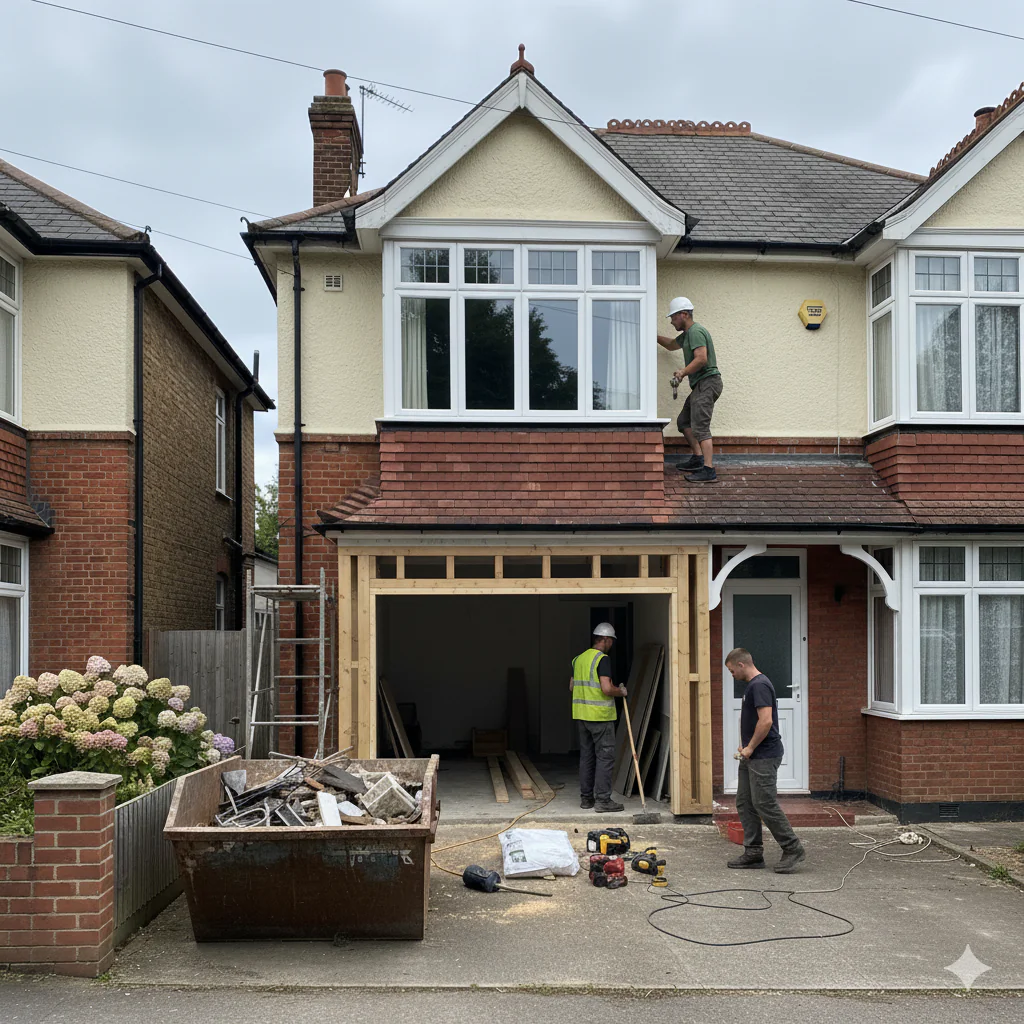
The construction landscape in the United Kingdom has undergone a seismic shift this year. Understanding the 2026 UK building regulation updates is now essential for every homeowner planning a renovation.
These changes prioritise the UK’s commitment to Net Zero by 2050. They specifically target energy efficiency, thermal comfort, and carbon reduction in residential dwellings.
The Evolution of Part L: Lowering Carbon Emissions
Part L remains the cornerstone of modern energy efficiency standards. The latest 2026 updates require a further 30% reduction in carbon emissions compared to previous 2021 thresholds.
To achieve this, the government has mandated stricter SAP 10 calculations. These metrics now penalise fossil fuel heating systems more heavily than ever before.
Key changes under the Part L 2026 update include:
* Mandatory installation of low-carbon heating systems like air-source heat pumps.
* Enhanced U-values for walls, floors, and roofs to prevent heat loss.
* Stricter airtightness testing for all new extensions and conversions.
* Requirement for triple glazing in specific high-exposure UK regions.
If you are planning a loft conversion, ensuring your insulation meets these new densities is critical. Failure to comply can result in building control refusing to issue a completion certificate.
Managing Part O Overheating Standards
As UK summers become increasingly intense, the 2026 Part O overheating standards have become more rigorous. These regulations aim to limit solar gain while ensuring adequate ventilation for occupant health.
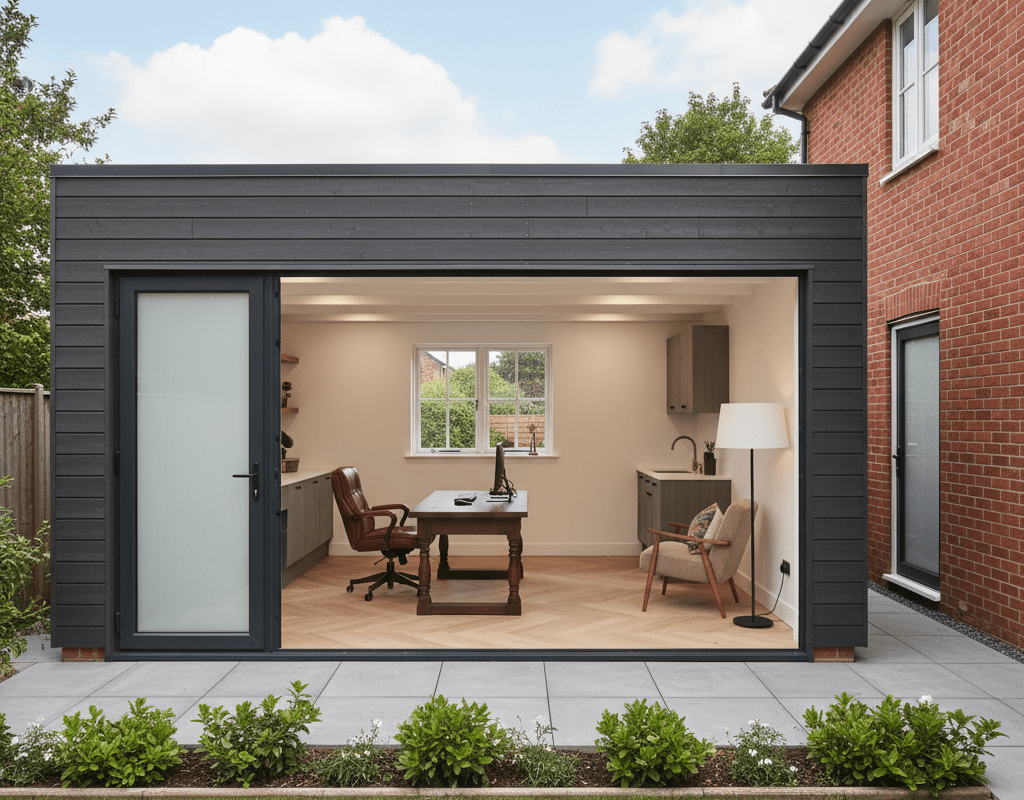
Designers must now provide dynamic thermal modelling for any project with significant glazing. This is particularly relevant for modern glass-heavy house extensions in urban areas.
To comply with Part O in 2026, consider these strategies:
Navigating Building Control in London
Securing approval from building control in London has become a more complex, digitised process. Local authorities now require real-time evidence of compliance throughout the build duration.
Inspectors are increasingly focused on the ‘Golden Thread’ of information. This ensures that the materials specified in the design are exactly what is installed on-site.
* Digital photo evidence is now mandatory for all hidden elements like cavity trays.
* Site inspections must be booked further in advance due to high demand.
* Specialist fire safety reports are required for any multi-storey extension.
* Acoustic testing is strictly enforced for properties in high-density areas.
The Impact of SAP 10 Calculations
SAP 10 calculations are the national methodology used to estimate the energy performance of a home. The 2026 update reflects the greening of the UK electricity grid.
Because the grid is now cleaner, electric heating is favoured over gas. This shift has changed how architects approach the ‘fabric first’ design philosophy.
Benefits of the updated SAP 10 framework include:
* Accurate rewards for integrating solar PV and battery storage systems.
* Better recognition of smart home energy management technologies.
* Simplified reporting for small-scale residential renovations.
* Faster processing for projects using prefabricated modular components.
Sustainable Materials for 2026 Compliance
Meeting the 2026 UK building regulation updates requires high-performance materials. Builders are moving away from traditional high-carbon options like standard concrete blocks.
Natural insulators and recycled materials are now the industry standard. These choices help lower the embodied carbon of the entire construction project.
Recommended materials for 2026 builds:
* Wood fibre or hempcrete insulation for superior thermal mass.
* Low-carbon cement alternatives for foundations and slabs.
* Locally sourced timber frames for rapid, sustainable assembly.
* Recycled aluminium for window frames and bifold doors.
Financial Implications of Compliance
While the 2026 standards increase initial construction costs, they offer long-term savings. High-efficiency homes have significantly lower monthly utility bills and higher resale values.
Expect a 10% to 15% increase in material costs compared to 2024 prices. However, government grants for heat pumps and insulation can offset some of these expenses.
Investment in compliance should be viewed as future-proofing your asset. A home that meets 2026 standards will remain compliant for many years to come.
Checklist for Your 2026 Construction Project
Before you break ground, ensure you have ticked off these essential regulatory steps. Proper preparation prevents costly delays during the construction phase.
* Appoint an architect familiar with the 2026 Part L and Part O revisions.
* Commission an early-stage SAP 10 calculation to guide the design.
* Verify that your contractor has experience with air-source heat pumps.
* Submit a full plans application to your local building control department.
* Ensure all structural calculations account for increased insulation thickness.
The Future of UK Housing Standards
The 2026 UK building regulation updates are just one step toward the Future Homes Standard. We expect even tighter controls on water usage and biodiversity net gain by 2028.
Staying ahead of these trends ensures your home remains a comfortable, efficient sanctuary. It also contributes to the national effort to combat climate change through smarter construction.
Partnering with experts who understand these nuances is the best way to succeed. Always prioritise quality and compliance over short-term cost savings in the 2026 market.