

Modular House Extensions London: The Future of Urban Home Design in 2026
Modular house extensions London represent the pinnacle of modern construction for homeowners seeking rapid, high-quality living space upgrades. As we move through 2026, the shift toward off-site manufacturing has become the gold standard for navigating the capital’s unique architectural constraints.
Traditional building methods often struggle with the narrow access and tight footprints typical of London boroughs like Islington or Wandsworth. By opting for a prefabricated timber frame extension, you bypass months of on-site disruption while ensuring your project meets the rigorous requirements of the Future Homes Standard.
The Rise of Off-Site Construction in the UK Capital
Off-site construction involves manufacturing the core components of your extension in a controlled factory environment before transporting them to your site. This precision engineering eliminates the risk of weather-related delays, which is a significant factor in the unpredictable UK climate.
In-Hire has seen a massive surge in demand for these systems because they offer unparalleled structural integrity. Our experts specialise in house extensions that utilise this modular technology to deliver projects up to 50% faster than traditional masonry builds.
Key Off-Site Construction Benefits
* Reduced Site Noise: Since the heavy lifting is done in a factory, your neighbours in quiet London terraces will experience minimal disruption.
* Superior Quality Control: Factory conditions allow for millimetre-perfect precision that is impossible to achieve in a muddy backyard.
* Zero Waste: Sustainable manufacturing processes ensure that material wastage is kept to an absolute minimum, supporting Net Zero targets.
* Predictable Timelines: With the shell built off-site, the assembly on your property typically takes just a matter of days.
Navigating 2026 Building Regulations and Sustainability
2026 marks a turning point for UK building regulations, specifically regarding Part O (Overheating) and the updated Part L (Fuel and Power). Modular house extensions London are perfectly suited to these rules because they integrate high-performance insulation directly into the prefabricated panels.
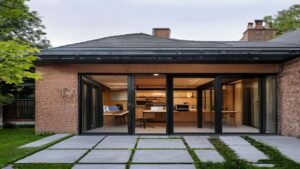
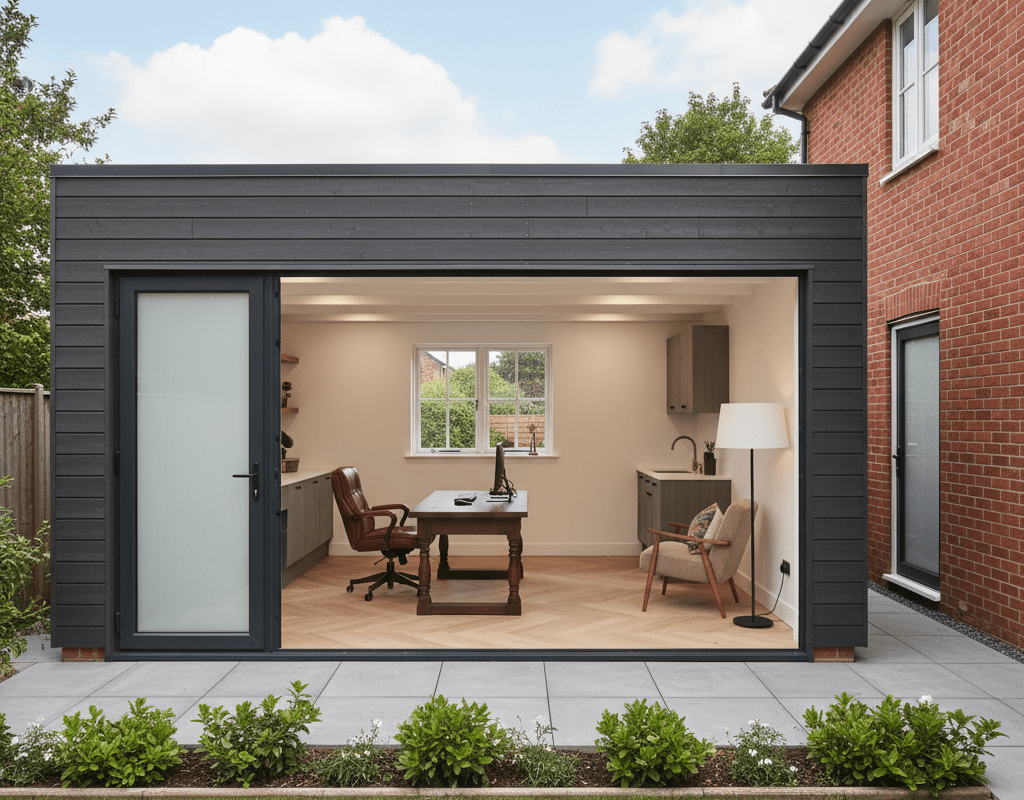
Eco-modular home additions are no longer a niche choice; they are essential for future-proofing your property’s resale value. Using advanced timber frames and anthracite zinc cladding ensures your home remains thermal-efficient, reducing long-term energy costs significantly.
Integrating Modern Technology
Many homeowners are now choosing to combine their ground-floor projects with loft conversions to maximise vertical and horizontal space simultaneously. This holistic approach allows for the integration of smart home systems and heat recovery ventilation (MVHR) during the initial modular fabrication.
Understanding London Modular Extension Costs in 2026
Pricing for modular projects in London has stabilised in 2026, though high-quality materials like Welsh blue slate and premium timber still carry a price tag. On average, you can expect to pay between £2,800 and £4,500 per square metre depending on the finish and complexity.
While the initial cost may seem higher than traditional brickwork, the total project expenditure is often lower. This is due to the massive reduction in labour hours required on-site and the avoidance of common ‘over-run’ costs associated with standard builds.
Factors Influencing Your Investment
Why Prefabricated Timber Frame Extensions Win in 2026
Timber is the ultimate renewable material for a carbon-conscious world. Modern prefabricated timber frame extensions use sustainably sourced wood that acts as a carbon sink throughout the life of the building.
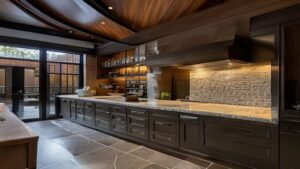
Beyond the environmental perks, timber frames offer incredible flexibility in design. You can achieve vast, open-plan kitchen diners with vaulted ceilings that would be prohibitively expensive or structurally difficult with traditional steel and brick.
Designing for Natural Light
In London’s crowded streets, light is a luxury. Modular designs often incorporate large-scale glazing and skylights that are pre-fitted in the factory, ensuring they are completely airtight and energy-efficient upon arrival.
For those looking to transform their existing layout, our home renovation services can help bridge the gap between your old structure and your new modular addition. We ensure a seamless transition that respects the character of your original Victorian or Georgian home.
The Planning Permission Landscape in London
Navigating planning permission in London boroughs can be a minefield, especially with the 2026 focus on ‘Beauty and Design’ standards. However, modular house extensions London often receive a warmer reception from planning officers due to their high-quality aesthetics and sustainable credentials.
Many modular additions fall under ‘Permitted Development’ (PD) rights, provided they meet specific size and height criteria. It is vital to consult with an expert who understands the local nuances of councils like Chelsea or Greenwich before committing to a design.
Steps to a Successful Modular Build
* Feasibility Study: Assess your site for crane access and utility connections.
* Design Phase: Choose your modular pod configuration and interior finishes.
* Factory Production: While your garden is prepared, your extension is built in a climate-controlled environment.
* Installation: The modules are delivered and secured, followed by internal ‘snagging’ and final utility hook-ups.
Conclusion: The Smart Way to Extend in London
Modular house extensions London are the definitive solution for the modern urbanite. They provide a path to a larger, more sustainable home without the traditional stress and mess of a long-term building site.
By choosing off-site construction, you are investing in a high-performance, future-proofed space that adheres to the latest 2026 UK standards. Whether you need a sleek home office or a sprawling family kitchen, the modular revolution is ready to deliver your vision with precision.