


Permeable Paving and Biodiversity Net Gain 2026: The Ultimate UK Guide
As we navigate the landscape of 2026, the UK construction sector has reached a critical turning point in sustainable urban drainage. Homeowners and developers are now prioritising Permeable paving and Biodiversity Net Gain 2026 requirements to ensure long-term property resilience.
The integration of the Future Homes Standard and updated Part L regulations has made sustainable water management a mandatory consideration for every project. This guide explores how advanced paving technology and ecological planning work together to create high-performance, beautiful outdoor spaces.
The Shift to Sustainable Drainage Systems (SuDS)
In 2026, the demand for SUDS compliant driveways has skyrocketed due to increasingly volatile weather patterns across the UK. Traditional non-porous surfaces are no longer viable as they contribute to local sewer overloads and flash flooding.
Modern SuDS technology allows rainwater to filter through the surface naturally, recharging the groundwater table rather than running into the street. This natural filtration process is a cornerstone of responsible residential development in the current climate.
Why Permeable Surfaces are Non-Negotiable
* Flood Prevention: Significantly reduces the risk of surface water pooling during heavy British downpours.
* Legal Compliance: Meets the strict 2026 planning requirements for permeable surfaces on front gardens exceeding five square metres.
* Pollution Control: Naturally filters hydrocarbons and heavy metals from vehicle runoff before they reach the watercourse.
Biodiversity Net Gain (BNG) in Residential Paving
The 10% Biodiversity Net Gain mandate is now firmly embedded in the UK planning system for 2026. This means any significant landscaping or house extensions must demonstrate a measurable improvement in local ecology.
Permeable paving and Biodiversity Net Gain 2026 are linked through the creation of ‘living landscapes’ where hardstanding no longer means an ecological desert. By choosing the right materials, you can create a habitat that supports local flora and fauna.
Integrating Biodiversity in Patio Design
To achieve true biodiversity in patio design, we recommend incorporating ‘green joints’ or integrated planting pockets within the paved area. These small gaps can be filled with hardy, low-growth species like Thymus serpyllum or Sedum, which thrive in UK conditions.
These living elements provide essential nectar sources for pollinators while assisting with natural cooling. This helps combat the ‘urban heat island’ effect often found in densely populated areas like London or Birmingham.
Choosing the Right Permeable Materials in 2026
The market for sustainable materials has evolved rapidly, with costs for eco-friendly aggregates now achieving parity with traditional options. Your choice of material will depend on the architectural style of your property and the expected load-bearing requirements.
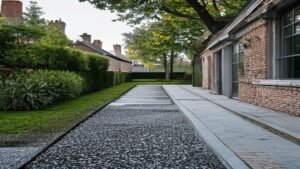
For a sleek, contemporary look, permeable resin bond paving is the premier choice for 2026. It offers a smooth, seamless finish that is fully porous, allowing water to drain at rates exceeding 800 litres per square metre per minute.
Top Material Recommendations
- Permeable Resin Bond: Perfect for high-end aesthetics and wheelchair accessibility.
- Porous Concrete Block Paving (CBPs): Ideal for heavy-traffic driveways with a classic aesthetic.
- Reinforced Grass Pavers: Best for secondary parking areas where a ‘green’ look is preferred.
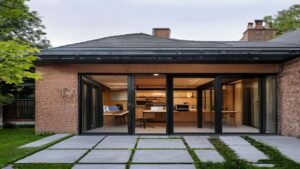
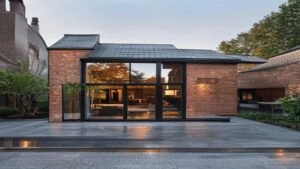
- Natural Stone with Permeable Grout: The sustainable choice for heritage properties using Yorkshire stone or granite setts.
Engineering a Flood Prevention Driveway UK
A true flood prevention driveway UK build requires more than just a porous top layer; it requires a correctly engineered sub-base. In 2026, we use ‘open-graded’ crushed stone that contains no ‘fines’ or sand, creating a void ratio of approximately 30% for water storage.
This sub-base acts as a temporary reservoir during intense storms, holding the water and releasing it slowly into the ground. This process is essential for protecting your property’s foundations and preventing damp issues related to ground saturation.
Sub-Base Construction Checklist
* Geotextile Membrane: Prevents soil migration while allowing water flow.
* Sub-Base Layer: 20mm-40mm clean, crushed angular stone (Type 3 equivalent).
* Laying Course: 2mm-6mm clean grit or ‘shingle’ for the final levelling layer.
Maximising Ecological Value with Soft Landscaping
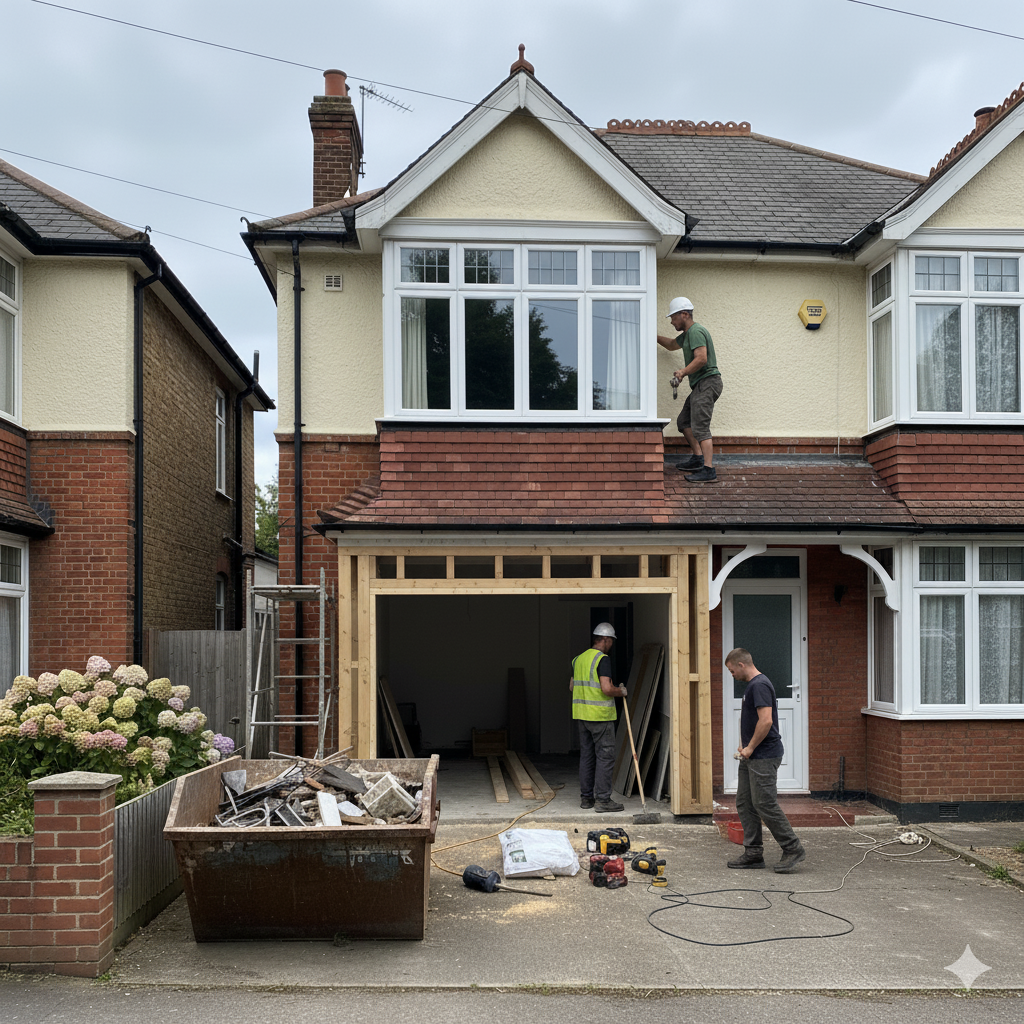
To truly satisfy the Biodiversity Net Gain criteria, your paving project should be complemented by strategic soft landscaping. We advise our clients to incorporate rain gardens or bioswales at the edges of their driveways or loft conversions site perimeters.
These features are designed to capture overflow during extreme events, using water-tolerant plants to soak up excess moisture. It creates a multi-layered ecosystem that supports birds, insects, and small mammals within an urban setting.
Recommended UK Native Species for 2026
* Iris pseudacorus (Yellow Flag Iris): Excellent for margins and wetter areas.
* Carex (Sedges): Provides year-round structure and habitat.
* Lavandula (Lavender): Ideal for drier borders, attracting high volumes of bees.
Cost Considerations and ROI in 2026
While the initial investment in permeable systems can be 10-15% higher than traditional tarmac, the long-term ROI is substantial. Properties with certified SuDS and BNG-compliant landscapes are currently commanding a 5% premium in the UK property market.
Furthermore, you avoid the potential costs of ‘Permitted Development’ fines or the need for expensive retrospective planning applications. Investing in quality today ensures your home remains compliant with evolving environmental legislation through the decade.
Professional Installation and Compliance
Achieving the perfect balance between Permeable paving and Biodiversity Net Gain 2026 requires professional expertise. An experienced contractor will ensure that the site levels, drainage calculations, and material choices align with local authority requirements.
At In-Hire, we connect you with trade professionals who specialise in 2026 building standards. Whether you are planning a complete renovation or a simple driveway upgrade, we provide the tools and expertise to ensure your project is both beautiful and sustainable.