

Modular House Extensions London: The 2026 Future of Home Expansion
Modular house extensions London have become the gold standard for homeowners seeking efficient, sustainable, and high-quality living spaces. As we move through 2026, the shift from traditional wet trades to precision engineering is reshaping the capital’s residential landscape.
Today’s London homeowners prioritise speed and sustainability above all else. Prefabricated solutions offer a way to bypass the typical six-month build schedule, delivering premium results in a fraction of the time.
Why Modular is Dominating London Construction in 2026
The primary appeal of modular house extensions London lies in the controlled environment of off-site manufacturing. By building in a factory, we eliminate the unpredictable delays caused by British weather and logistics.
This method ensures every millimetre is accounted for, adhering to the strict requirements of the Future Homes Standard. Precision-engineered components result in significantly better thermal performance than traditional brick-and-mortar builds.
The Real Benefits of Off-site Construction
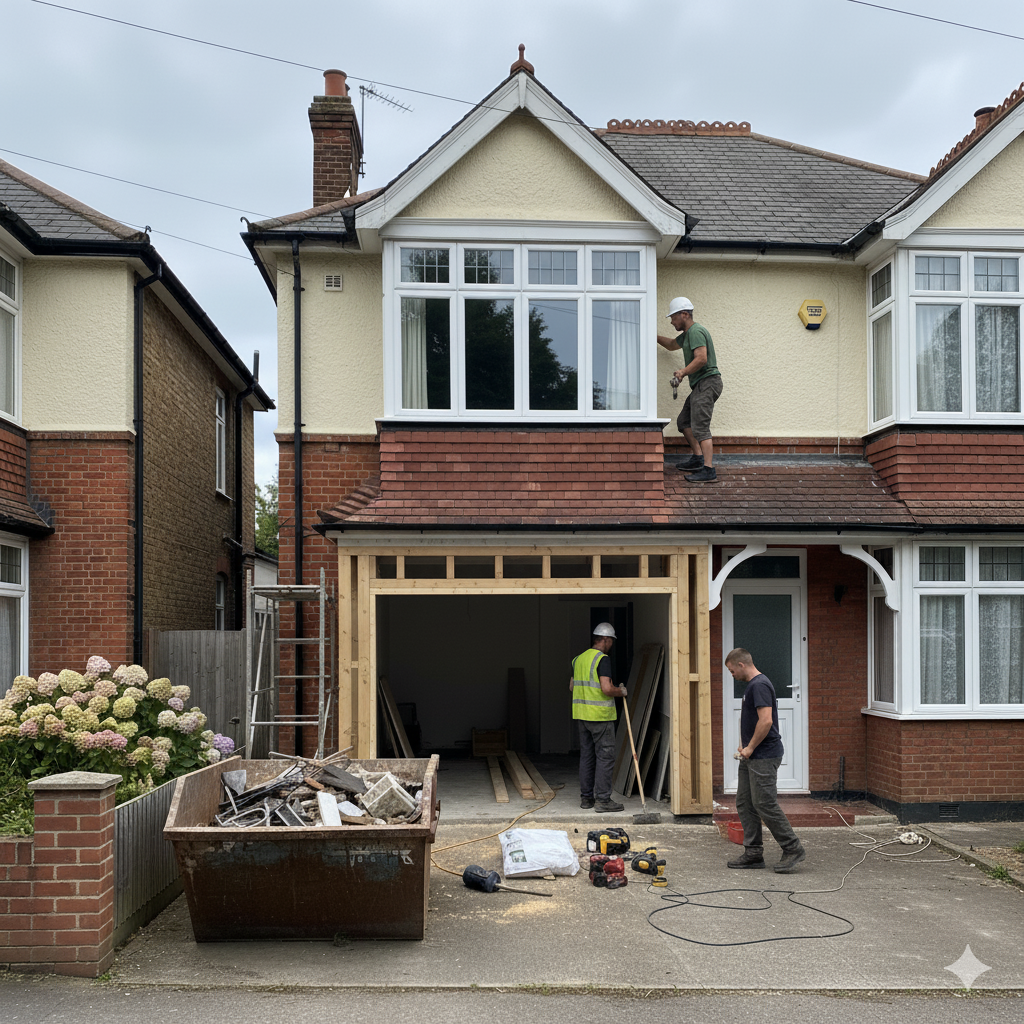
One of the most significant off-site construction benefits is the drastic reduction in on-site disruption. For Londoners living in tight Victorian terraces or semi-detached properties, this means less noise and fewer skips blocking narrow streets.
* Reduced Build Times: On-site works are often completed in weeks rather than months.
* Superior Quality Control: Units are built to aerospace tolerances in climate-controlled facilities.
* Enhanced Sustainability: Waste is reduced by up to 90% compared to traditional building sites.
* Cost Certainty: Fixed manufacturing costs protect you from the fluctuating price of raw materials.
If you are considering a significant structural change, explore our comprehensive house extensions to see how modularity integrates with existing architecture.
Prefabricated Timber Extensions: The Sustainable Choice
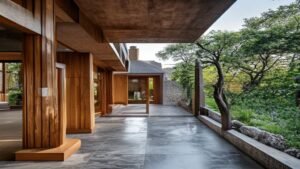
In 2026, prefabricated timber extensions are the leading choice for carbon-conscious homeowners. Timber acts as a natural carbon sink, making it the most viable material for achieving Net Zero residential goals.
These structures utilise Cross Laminated Timber (CLT) or advanced timber frames. These materials offer exceptional strength-to-weight ratios, perfect for adding loft conversions or rear extensions without overstressing existing foundations.
Navigating London Planning Permission 2026
Securing London planning permission 2026 requires a deeper understanding of new environmental mandates. The most significant change this year is the mandatory requirement for Biodiversity Net Gain (BNG) in residential projects.
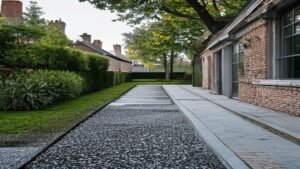
London boroughs now require proof that your extension contributes to local ecology. This might involve integrated bat bricks, living green roofs, or permeable paving systems that mitigate urban run-off.
Meeting the Future Homes Standard
Every modular house extension London must now comply with the fully enforced Future Homes Standard. This means moving away from gas heating and embracing air-source heat pumps and high-spec mechanical ventilation.
We focus on the ‘fabric first’ approach. By using vacuum-insulated panels and triple-glazed aluminium apertures, your new space will remain thermally efficient year-round.
Smart Home Integration in Modular Design
Modern modular extensions are no longer just shells; they are smart-integrated hubs. We pre-wire every module for Matter-enabled devices, ensuring your lighting, heating, and security work in perfect harmony.
* Integrated Solar PV: Thin-film solar cells are now often built directly into the roofing membranes.
* Smart Glass: Windows that tint automatically based on UV intensity to prevent summer overheating.
* Energy Monitoring: Real-time data on your extension’s energy consumption via smartphone apps.
For those looking to expand upwards, our architectural services can help you visualise how these smart modules fit your current floor plan.
Biodiversity Net Gain Residential Requirements
The introduction of biodiversity net gain residential rules has transformed how we design garden extensions. In London, where green space is a premium, modular units often feature vertical gardens or ‘living walls’.
These features are not merely aesthetic; they are functional components of the planning approval process. Using native UK plant species helps your project gain favour with local councils while providing natural cooling during London’s increasingly warm summers.
Material Trends: London Stock and Anthracite Zinc
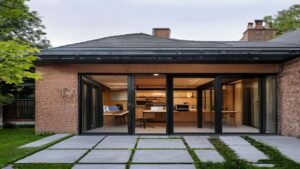
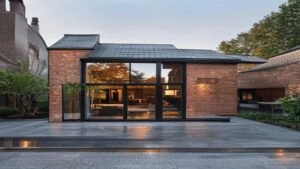
In 2026, we see a beautiful juxtaposition between historic London stock brick and modern anthracite zinc cladding. Modular units allow for this blend of textures to be executed with surgical precision.
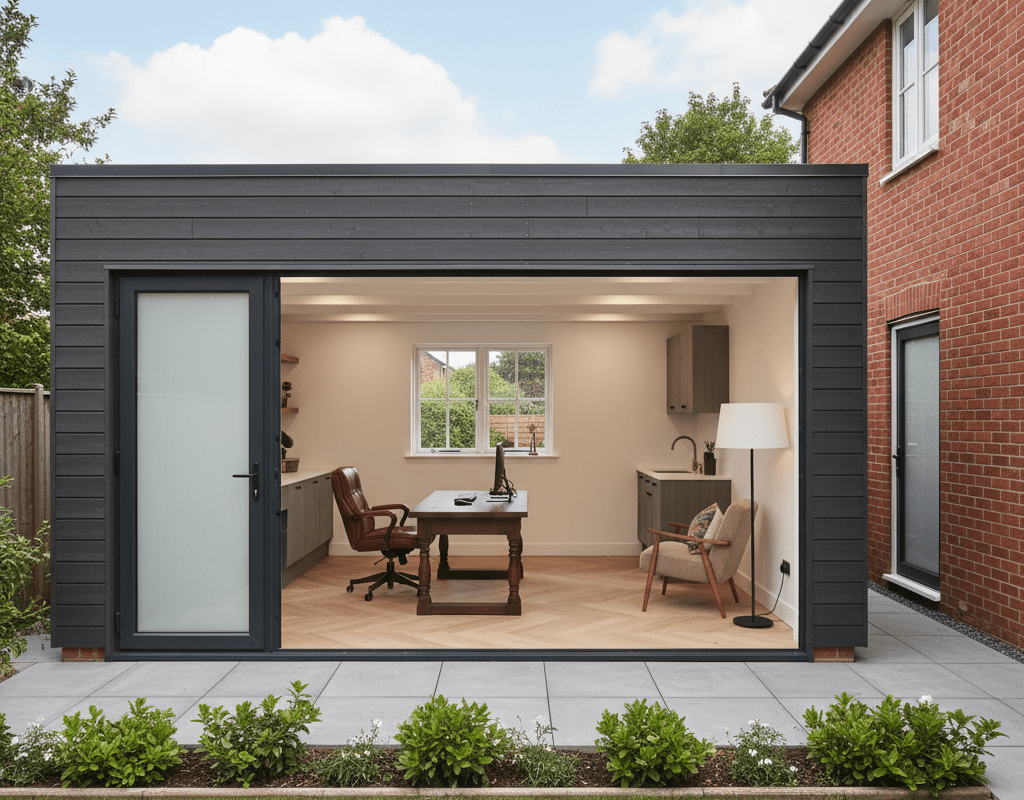
Timber cladding, particularly charred Larch (Shou Sugi Ban), remains a favourite for its durability and low maintenance. When paired with slimline aluminium bifold doors, it creates a seamless transition between indoor and outdoor living.
Calculating the Cost of Modular Extensions in 2026
While the initial manufacturing cost might seem higher than traditional labour, the total project cost is often lower. You save significantly on site management, waste disposal, and prolonged hire of scaffolding or heavy machinery.
* Small Modular Pod (15-20sqm): £45,000 – £65,000.
* Large Rear Extension (30-50sqm): £85,000 – £130,000.
* Two-Storey Modular Addition: £150,000+.
Final Thoughts on London’s Modular Revolution
Choosing modular house extensions London is an investment in the longevity and efficiency of your home. As we navigate the complexities of 2026 building regulations, the precision of off-site construction offers the most reliable path to success.
By prioritising sustainable materials and smart technology, you are not just adding a room; you are future-proofing your property for the decades to come.