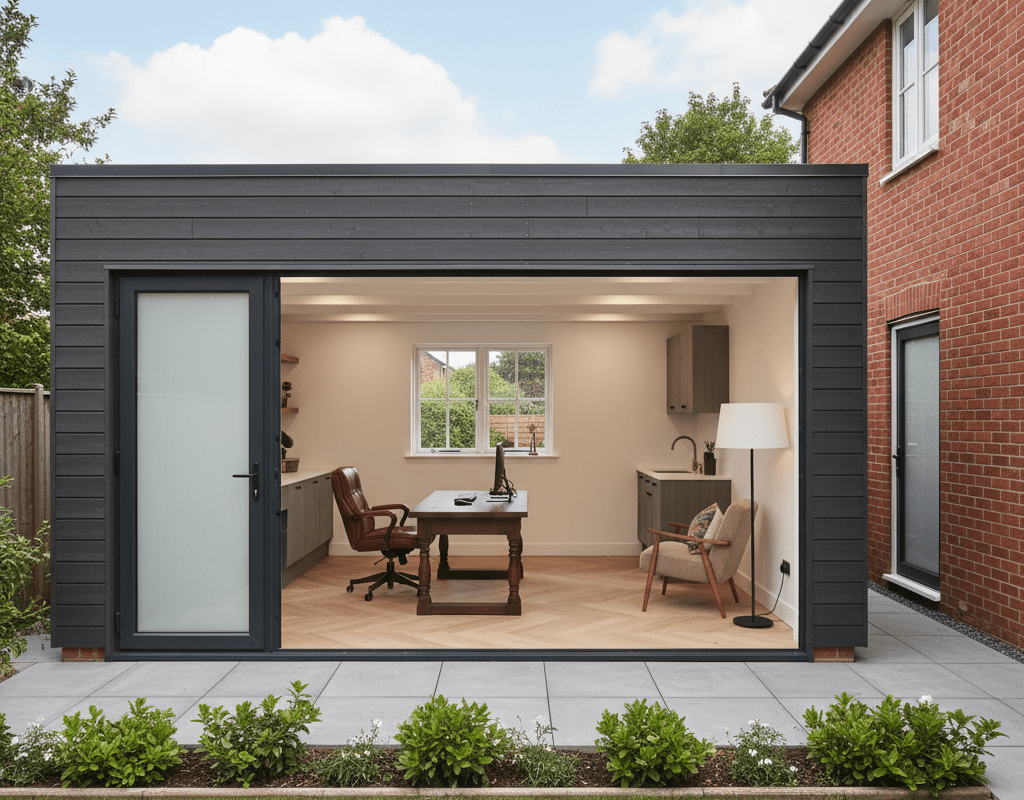


Prefabricated Timber Frame Extensions UK: The 2026 Definitive Guide
In 2026, the British construction landscape has shifted decisively toward efficiency and sustainability.
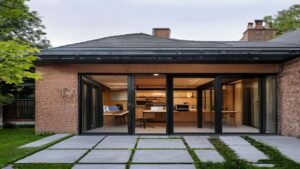
Prefabricated timber frame extensions UK wide are now the primary choice for homeowners seeking high-performance living spaces.
These structures offer a sophisticated response to the Future Homes Standard, providing unparalleled thermal efficiency and rapid installation times.
By choosing off-site manufacturing, you avoid the traditional ‘wet trade’ delays often associated with unpredictable UK weather patterns.
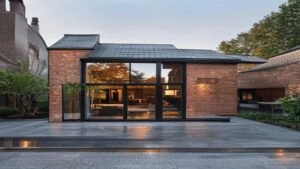
Whether you are looking for a sleek modern addition or a heritage-sensitive build, timber frames provide the ultimate versatility.
The Rise of Off-site Construction Benefits in 2026
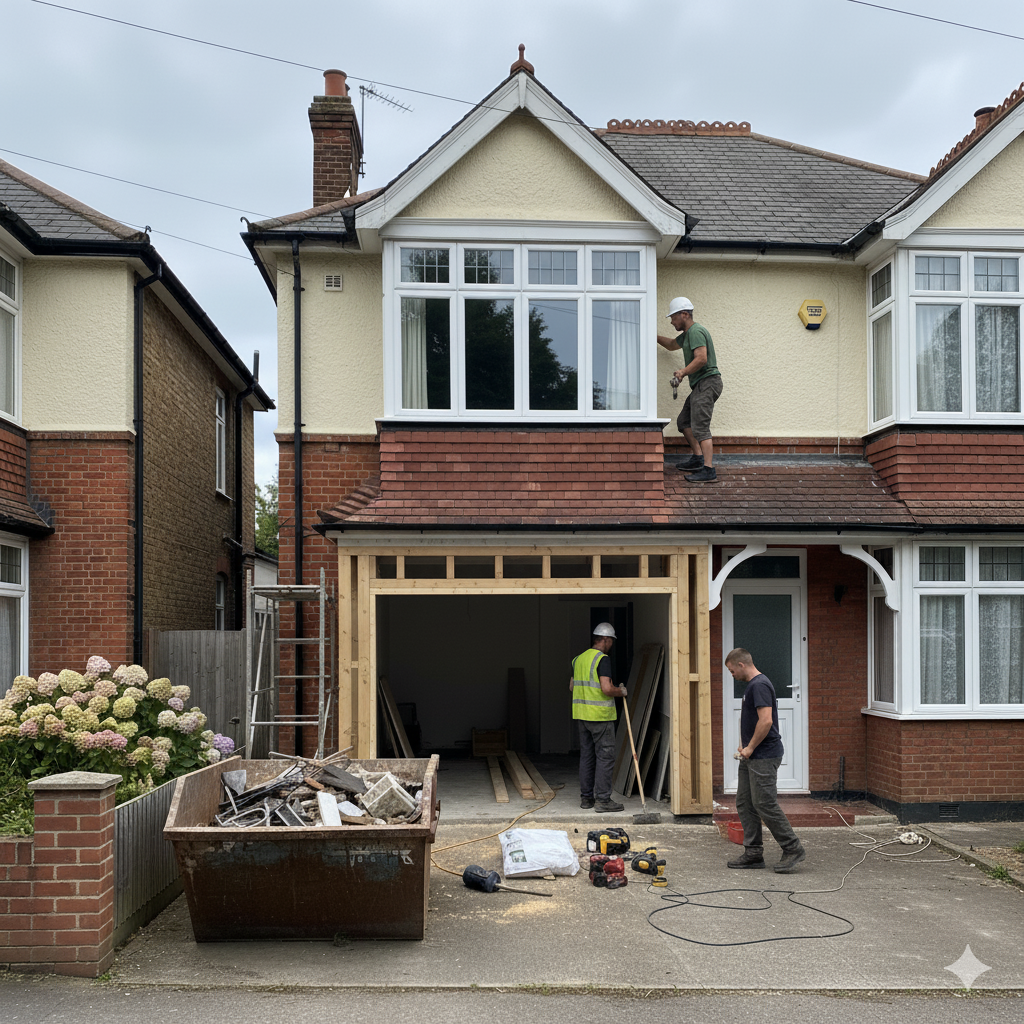
Modern construction has moved away from the chaos of a traditional building site.
One of the most significant off-site construction benefits is the precision engineering achieved in a factory-controlled environment.
This method ensures that every timber stud and insulation panel is cut to millimetre perfection, reducing air leakage and thermal bridging.
For those planning house extensions, this precision translates directly into lower energy bills.
Furthermore, site disturbance is reduced by up to 70%, making it the ideal solution for compact urban plots.
Neighbours are less likely to complain when the ‘heavy’ construction phase lasts days rather than months.
SIPs Panels vs Traditional Brick: The Performance Gap
When comparing SIPs panels vs traditional brick, the 2026 data shows a clear winner in thermal performance.
Structural Insulated Panels (SIPs) consist of an insulating foam core sandwiched between two structural facings, usually OSB.
Unlike traditional brick and block, which requires multiple layers and drying time, SIPs provide a ready-made thermal envelope.
This technology allows for thinner walls with higher U-values, effectively increasing your internal floor area.
While brick remains popular for its aesthetic, most modern loft conversions now utilise timber frames for their lightweight properties.
Timber frames also have a significantly lower carbon footprint than concrete-heavy traditional methods.
Why SIPs are the 2026 Gold Standard
* Superior airtightness levels exceeding current Part L Building Regulations.
* Elimination of cold spots through continuous insulation layers.
* Significantly faster build schedules, often saving 6-8 weeks on site.
* Reduced waste as every component is pre-cut to the exact architectural specification.
Modular Kitchen Extensions London: Space and Speed
In the capital, the demand for modular kitchen extensions London has reached an all-time high this year.
London homeowners are increasingly opting for prefabricated units that can be craned over existing terraces.
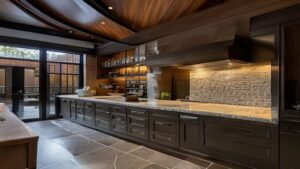
This ‘plug and play’ approach allows for high-end kitchen refurbishments without the usual six-month disruption.
If you are considering a home renovation, a modular timber addition is the fastest way to add value.
These extensions often feature large aluminium bifold doors and integrated smart home technology as standard.
By choosing a modular route, you ensure that the internal finishes are completed to showroom standards before the unit even arrives.
Biodiversity Net Gain Extensions: Meeting 2026 Regulations
As of 2026, all major residential projects must contribute to local ecology through Biodiversity Net Gain extensions.
This means your timber frame extension must now prove a 10% increase in local biodiversity value.
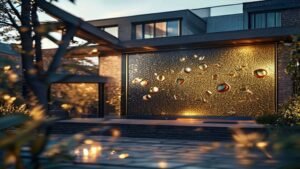
Prefabricated designs easily accommodate green roofs, integrated bat boxes, and ‘living’ walls.
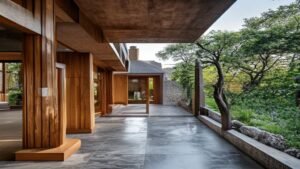
Timber is a natural partner for these eco-features, as it is a renewable resource that sequesters carbon throughout its life.
Planning departments in the Cotswolds and the South East now prioritise applications that show clear environmental stewardship.
Integrating these features early in the design phase is essential for a smooth approval process.
Ecological Features to Consider
- Sedum or wildflower green roofs to support local pollinator populations.
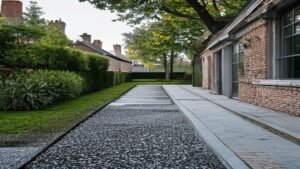
- Permeable paving systems to manage rainwater runoff effectively.
- Insect-friendly timber cladding treated with natural, non-toxic oils.
- Smart irrigation systems that use harvested rainwater for vertical gardens.
Costs and Timelines for 2026 Timber Builds
Material costs for timber have stabilised in 2026, making prefabricated timber frame extensions UK-wide more cost-competitive than ever.
While the initial manufacturing cost may seem higher, the reduction in on-site labour costs often results in a lower total project spend.
Typically, a high-spec timber extension can be manufactured in 8 weeks and installed in just 5 to 10 days.
This compares to a traditional build which can often drag on for 16 to 24 weeks due to material shortages or rain.
For a bespoke quote on your project, you can request a consultation with our specialist team.
Investing in quality prefabrication ensures your home is future-proofed against rising energy costs and changing climates.
Final Thoughts on Timber Prefabrication
The shift toward prefabricated timber frame extensions UK is not just a trend; it is a structural change in how we improve our homes.
By embracing SIPs, modular delivery, and biodiversity, you are creating a home that is sustainable, warm, and beautiful.
As we look toward the end of the decade, the speed and precision of off-site construction will only become more vital.
Take the first step toward your high-performance extension by choosing a partner who understands the 2026 regulatory landscape.
Your dream home is no longer months of dust away—it is a few days of precision assembly.