


Acoustic Dry Lining UK: The Definitive 2026 Industry Guide
Modern British construction in 2026 demands a sophisticated approach to noise mitigation and thermal efficiency. Achieving high-performance Acoustic Dry Lining UK standards is no longer a luxury but a regulatory necessity under the latest Future Homes Standard updates.
Whether you are renovating a Victorian terrace in London or a sustainable new build in Manchester, understanding acoustic systems is vital. High-quality soundproofing ensures your property remains a sanctuary in an increasingly dense urban environment.
Why Acoustic Dry Lining Matters in 2026
The shift towards remote working has permanently changed how we value internal quiet. Standard plasterboard no longer meets the expectations of high-end UK homeowners or commercial developers.
Acoustic systems involve specialized high-density boards designed to dampen vibration. These systems are essential for modern living, particularly when integrating house extensions into existing residential layouts.
Effective noise control also impacts property valuation significantly in today’s market. Investing in premium materials ensures your project meets the stringent decibel reduction targets required for Building Regulations Part E compliance.
Key Benefits of Soundproof Partitioning
Soundproof partitioning is the backbone of modern internal space management. By utilizing decoupled framing and specialized insulation, we can virtually eliminate flanking noise between rooms.
This approach is particularly effective in multi-generational homes or mixed-use developments. It provides the structural integrity needed for high-traffic areas while maintaining a peaceful indoor atmosphere.
* Reduces airborne noise by up to 60dB when installed correctly.
* Enhances privacy in bedrooms and bathrooms.
* Increases the structural mass of the wall without excessive thickness.
* Provides a perfectly flat finish ready for high-end decoration.
The Role of Acoustic Insulation Boards
Modern acoustic insulation boards are engineered with a higher density than standard gypsum products. These boards often feature a blue or purple face to distinguish them on-site during the inspection phase.
In 2026, we are seeing a massive trend toward hybrid boards that combine sound damping with thermal mass. This dual-purpose approach helps homeowners meet Net Zero targets while enjoying a quieter living environment.
When planning complex loft conversions, using these boards is critical. They manage the unique acoustic challenges of elevated spaces where wind noise and external traffic can be amplified.
Material Selection for 2026 UK Projects
Integrating Fire-Rated Dry Lining
Safety is paramount in UK construction, and fire-rated dry lining is now often integrated directly into acoustic systems. This ensures that partitions provide a minimum of 30 to 60 minutes of fire resistance alongside sound insulation.
Most high-spec acoustic boards naturally offer enhanced fire performance due to their dense core. This dual-protection strategy is highly cost-effective for modern developers and self-builders alike.
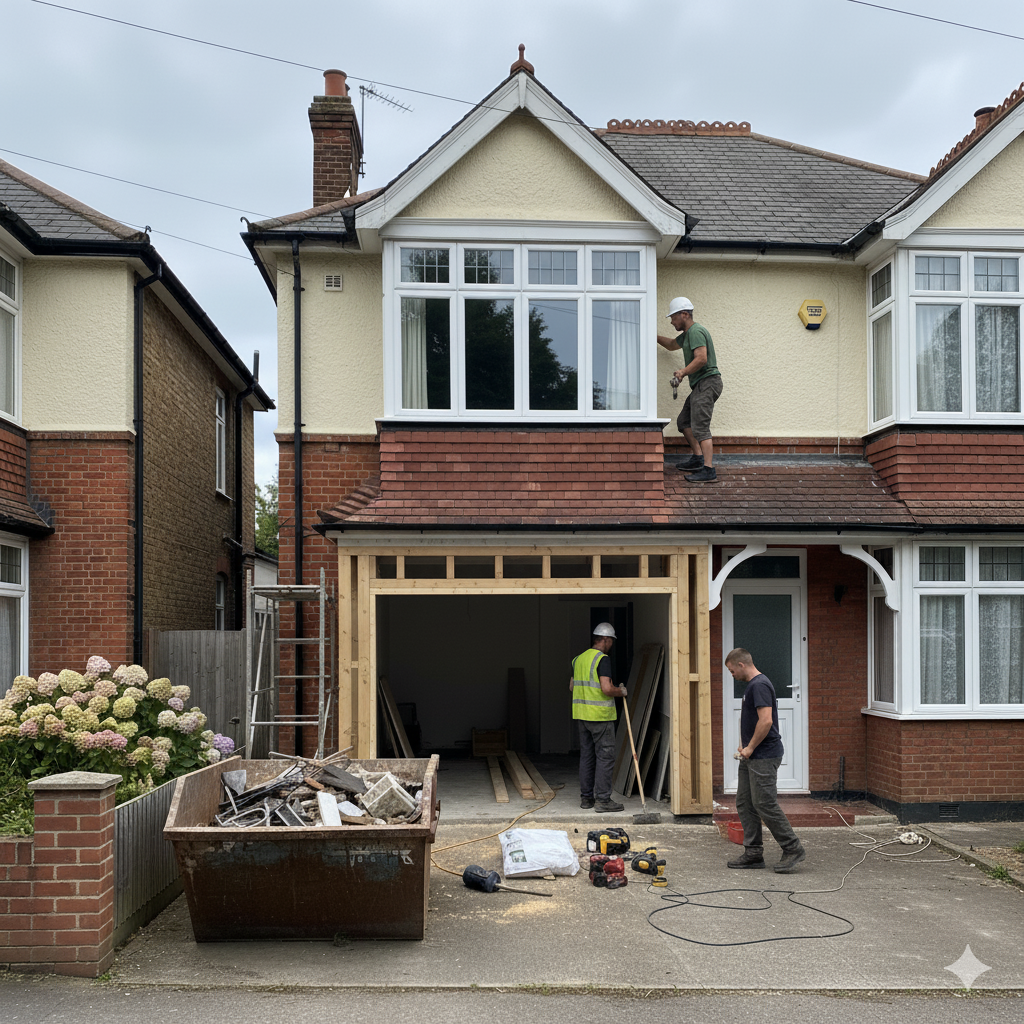
For those undertaking large-scale garage conversions, fire-rated solutions are mandatory. Protecting the main dwelling from potential fire risks in converted spaces is a key requirement of Part B Building Regulations.
Future Homes Standard and Part O Compliance
The 2026 updates to the Future Homes Standard emphasize the importance of airtightness. However, airtight buildings can suffer from internal echo and resonance if acoustic treatments are neglected.
Acoustic dry lining helps balance the internal environment by managing sound reflections. It works in tandem with new mechanical ventilation and heat recovery (MVHR) systems to ensure a healthy, quiet home.
* Mitigates noise from high-efficiency heat pumps and HVAC systems.
* Supports the thermal goals of Part L through high-performance material layering.
* Reduces the risk of overheating by contributing to internal thermal mass.
* Ensures longevity through moisture-resistant variants for kitchens and bathrooms.
Home Office Soundproofing Trends
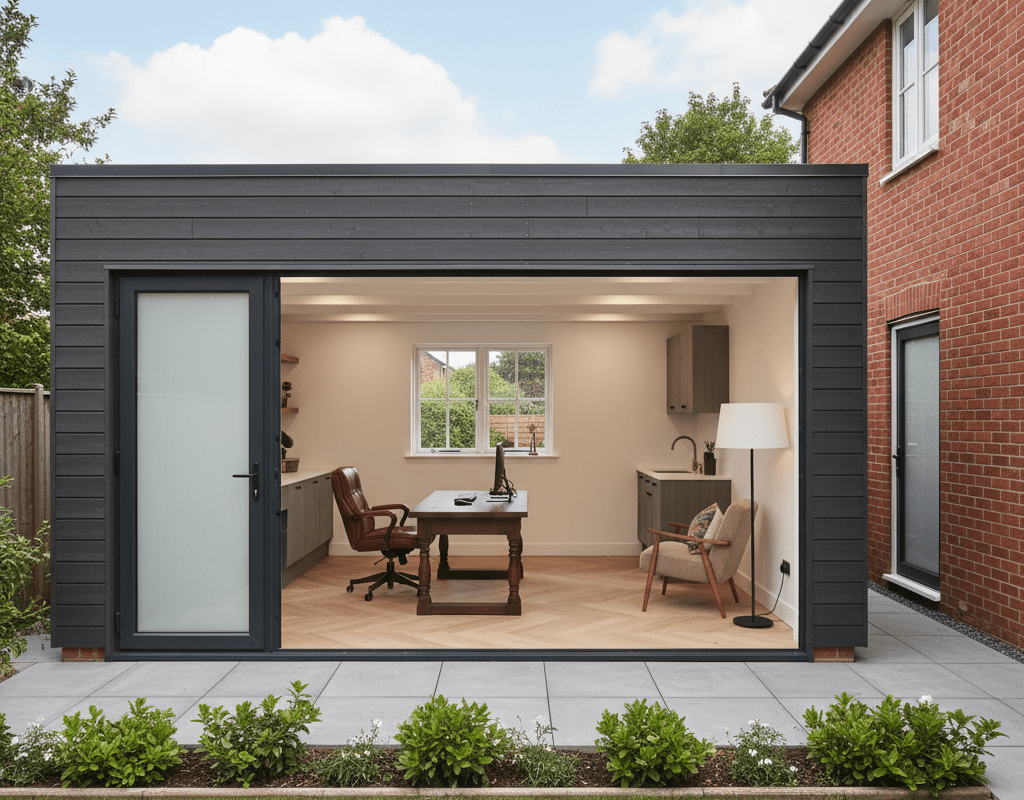
Professional-grade home office soundproofing has become a top priority for UK homeowners. In 2026, the ‘Zoom-proof’ room is a standard requirement for luxury residential specifications.
Using a combination of soundproof partitioning and acoustic ceilings creates a dedicated quiet zone. This allows for clear communication during digital meetings regardless of what is happening elsewhere in the house.
We recommend a ‘room-within-a-room’ approach for premium office builds. This involves independent floor, wall, and ceiling structures to maximize acoustic decoupling and total silence.
Acoustic Performance Checklist
* Identify the noise source (airborne vs. impact noise).
* Select the correct density of acoustic insulation boards.
* Ensure all joints and perimeters are treated with acoustic sealant.
* Check for penetrations like plug sockets which can create ‘sound leaks’.
* Verify the fire-rating requirements for the specific partition type.
Installation Best Practices for 2026
Precision is the most important factor when installing Acoustic Dry Lining UK systems. Even a 1% gap in the surface area of a soundproof wall can reduce its effectiveness by over 50%.
Our expert teams prioritize ‘staggered joint’ techniques to ensure there are no continuous paths for sound to travel. This attention to detail is what separates a professional installation from a standard DIY attempt.
Always use specialist screws designed for acoustic boards to prevent ‘bridging’. These small details ensure the decoupling mechanisms work as intended, providing the maximum decibel reduction possible.
Sustainable Sourcing and Circular Economy
In 2026, the UK construction industry is heavily focused on the circular economy. We prioritise acoustic boards that are 100% recyclable and manufactured using low-carbon processes.
Choosing British-made materials also reduces the carbon footprint associated with transport. Many modern manufacturers now offer ‘take-back’ schemes for offcuts, ensuring zero waste on-site.
Conclusion: Investing in Quiet
Acoustic dry lining is an investment in the long-term comfort and value of your UK property. By following 2026 standards, you ensure a home that is energy-efficient, safe, and profoundly peaceful.
Whether you are dealing with noisy neighbours or creating a high-end recording studio, the right materials make all the difference. Always consult with a professional to ensure your soundproofing strategy meets current UK Building Regulations.