


Biodiversity Net Gain Driveways: The Future of UK Front Gardens
As we navigate the 2026 UK construction landscape, the concept of Biodiversity Net Gain driveways has shifted from a niche preference to a core requirement for many residential developments.
Property owners across London and the South East are now prioritising external spaces that contribute to local ecosystems rather than detracting from them.
Understanding Biodiversity Net Gain for Residential Projects
Biodiversity Net Gain (BNG) is an approach to development that leaves the natural environment in a measurably better state than it was beforehand.
While originally focused on large-scale infrastructure, biodiversity net gain residential applications are now vital for individual homeowners seeking planning permission for significant upgrades.
Modern driveways are no longer just hardstanding for vehicles; they are functional, living components of the home’s ecological footprint.
Selecting the right materials and design ensures your property aligns with the 2026 Future Homes Standard and local council mandates.
The Role of Permeable Paving Solutions UK
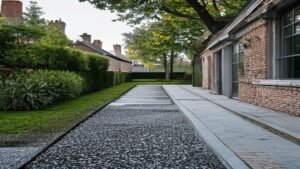
Transitioning to permeable paving solutions UK wide is the most effective way to achieve ecological targets while maintaining a high-end aesthetic.
These systems allow rainwater to filter naturally into the ground, reducing the pressure on ageing Victorian sewer systems in cities like Manchester and Birmingham.
* Gravel Grids: Reinforced recycled plastic grids filled with local flint or granite.
* Porous Asphalt: A modern mix that allows water to pass through the surface directly.
* Permeable Block Paving: Traditional looks with widened joints for drainage.
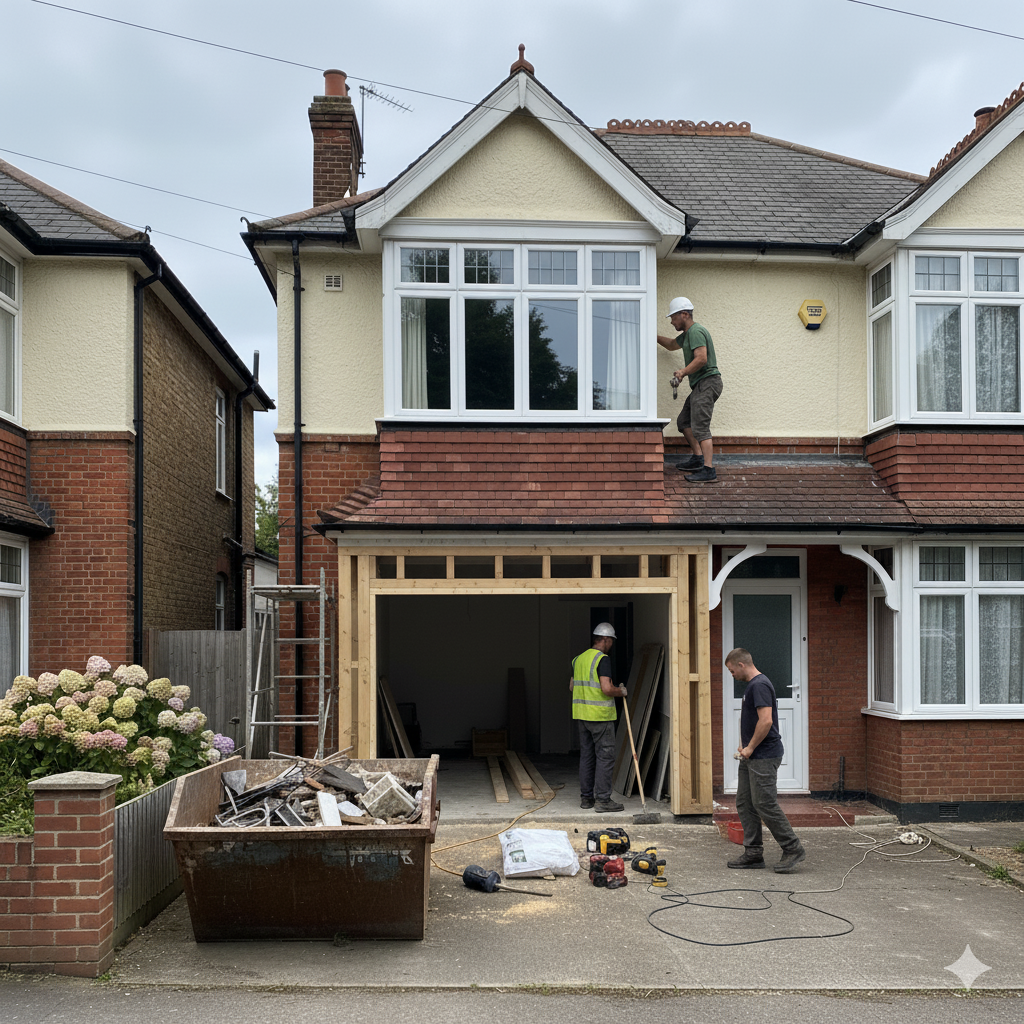
If you are planning a larger renovation, integrating these surfaces with high-quality house extensions ensures your entire plot remains environmentally compliant.
Why SUDS Compliant Driveways are Essential in 2026
Sustainable Urban Drainage Systems (SUDS) are now a mandatory consideration for any homeowner replacing more than five square metres of a front garden.
SUDS compliant driveways prevent surface water runoff, which is a leading cause of localised flash flooding in paved urban areas.
By installing a SUDS-ready surface, you bypass the need for planning permission that is typically required for non-porous materials like traditional tarmac or concrete.
This proactive approach not only speeds up your project timeline but also adds significant resale value as buyers seek ‘future-proofed’ homes.
Key Benefits of SUDS Integration
High-End Eco-Friendly Patio Materials for 2026
When extending your outdoor living space, choosing eco-friendly patio materials is just as critical as the driveway itself.
Many homeowners are now opting for reclaimed York stone or UK-sourced timber decking to keep their carbon footprint as low as possible.
Consider how your patio interacts with your internal space; many bespoke loft conversions now include roof terraces that utilise these same sustainable principles.
* Reclaimed Granite Setts: Durable, historic, and incredibly low in embodied carbon.
* Natural Clay Pavers: Fired at lower temperatures and fully recyclable at the end of their life.
* Hemp-Based Composites: A 2026 favourite for modern, sleek finishes with high sustainability credentials.
Maximising Local Ecology with Living Driveways
To truly achieve a net gain, your driveway should incorporate ‘living’ elements such as central grass strips or wildflower borders.
Integrating nectar-rich planting schemes along the perimeter of your parking area supports local pollinator populations.
This ‘green’ infrastructure works in tandem with professional landscaping services to create a cohesive and biodiverse environment.
Low-maintenance sedum mats are also becoming a popular choice for the ‘no-man’s land’ between driveway tracks.
2026 Cost Expectations and Material Sourcing
Material costs have stabilised in 2026, but sustainable options still carry a 10-15% premium over traditional non-permeable surfaces.
However, the long-term savings on drainage maintenance and the avoidance of planning fees often offset these initial capital outlays.
Always ensure your contractor is sourcing materials from UK-based suppliers to reduce transport emissions and support the local economy.
Construction Standards and Regulation Updates
The 2026 updates to Building Regulations Part O and Part L have placed a greater emphasis on the ‘external envelope’ of the home.
Biodiversity Net Gain driveways contribute to the cooling of the local microclimate, helping homes stay within thermal comfort limits during summer.
By reducing the ‘urban heat island’ effect, your eco-friendly driveway becomes a tool for temperature regulation.
Consulting with experts early in the design phase ensures your project meets the 10% mandatory BNG uplift required for most new UK developments.
Checklist for Your Biodiversity-Friendly Driveway Project
* [ ] Conduct a baseline ecology survey if your project is part of a larger extension.
* [ ] Verify the permeability rating of your chosen paving stones.
* [ ] Ensure the sub-base is ‘clean’ (no fines) to allow for maximum water storage.
* [ ] Select native UK plant species for any integrated soft landscaping.
* [ ] Check for underground utilities before excavating for drainage crates.
Conclusion: Investing in a Greener Future
Building a driveway in 2026 is no longer a simple matter of laying asphalt; it is an opportunity to enhance the natural beauty of your home.
By focusing on Biodiversity Net Gain driveways and SUDS compliance, you protect your property from the elements and support the UK’s Net Zero goals.
Professional installation is key to ensuring these systems function correctly for decades to come without clogging or subsiding.
Embrace the transition to sustainable luxury and ensure your home remains a leader in ecological responsibility.