

Sustainable Kitchen Remodeling UK: The 2026 Definitive Guide
Sustainable kitchen remodeling UK projects have evolved into a sophisticated blend of carbon-neutral materials and high-tech efficiency in 2026. Navigating the current UK building landscape requires a deep understanding of the Future Homes Standard and thermal performance.
Today, homeowners are moving away from traditional timber frames and towards high-performance, low-carbon alternatives. This shift ensures that your home remains compliant with strict Net Zero legislation while significantly reducing operational energy costs.
Meeting the 2026 Future Homes Standard
The most critical aspect of any modern renovation is ensuring your property meets the 2026 Future Homes Standard. This regulation mandates a 75-80% reduction in carbon emissions compared to previous building iterations.
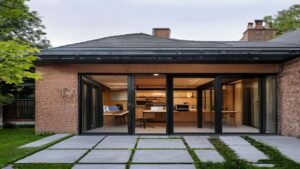
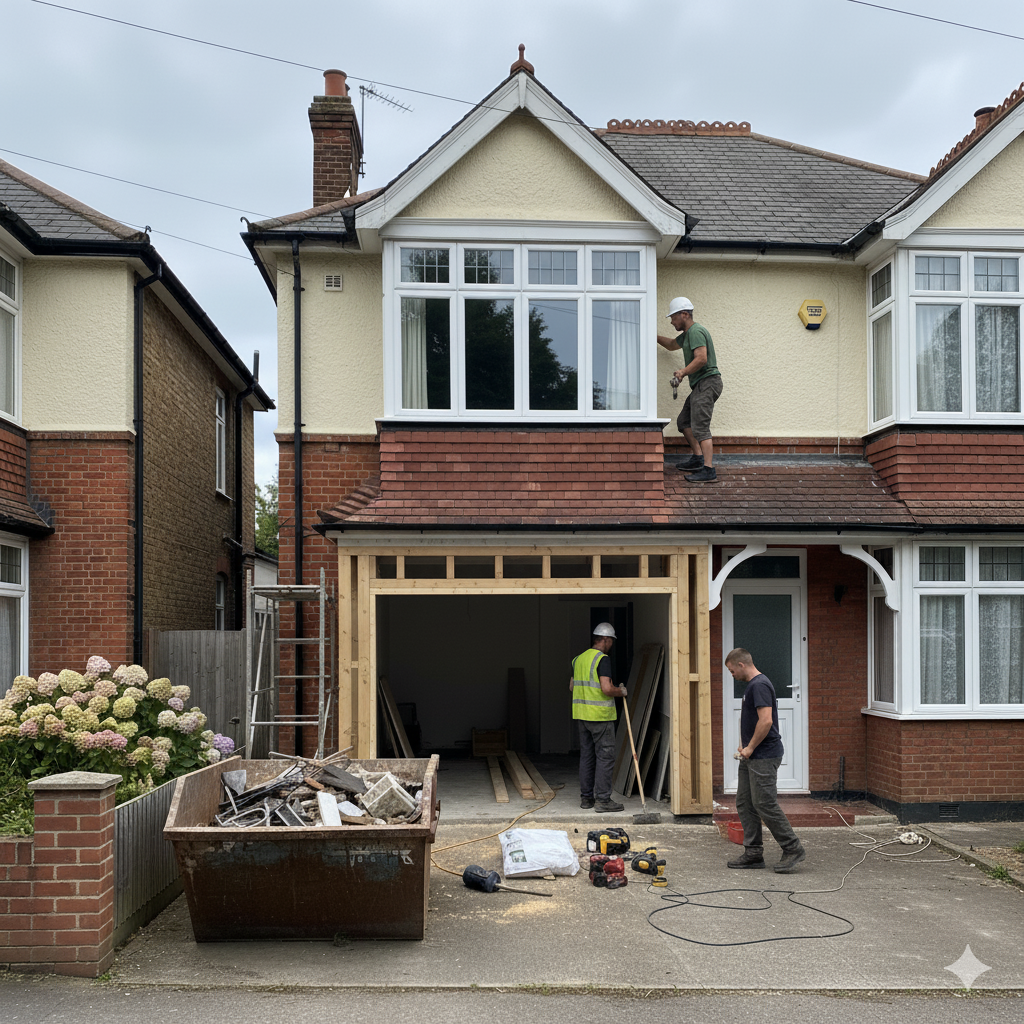
When planning a renovation, many owners integrate high-quality house extensions to increase footprint while upgrading thermal envelopes. This approach allows for the installation of air-source heat pumps and superior floor insulation.
Integrating Smart Kitchen Appliances 2026
Efficiency is the cornerstone of a sustainable kitchen, and smart kitchen appliances 2026 models are leading the way. These units use Al-driven energy management to operate during off-peak hours on the National Grid.
Induction hobs have replaced gas entirely, offering 90% energy efficiency compared to the 40% seen in traditional gas burners. Furthermore, modern dishwashers now feature heat-recycling technology to reduce electricity consumption by up to 30%.
Benefits of Smart Connectivity
The Rise of Recycled Material Kitchen Worktops
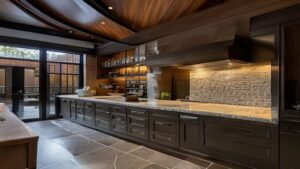
Material selection is where you can make the most significant impact on your kitchen’s embodied carbon footprint. Recycled material kitchen worktops have become the premium choice for architects across the UK in 2026.
Innovative surfaces made from compressed recycled glass, bio-resins, and reclaimed paper offer durability that rivals granite. These materials are non-porous, highly resistant to heat, and completely circular in their lifecycle.
Kitchen Extension Modular Units: The Modern Solution
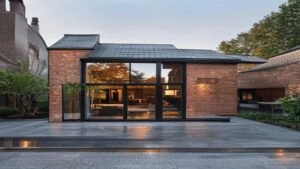
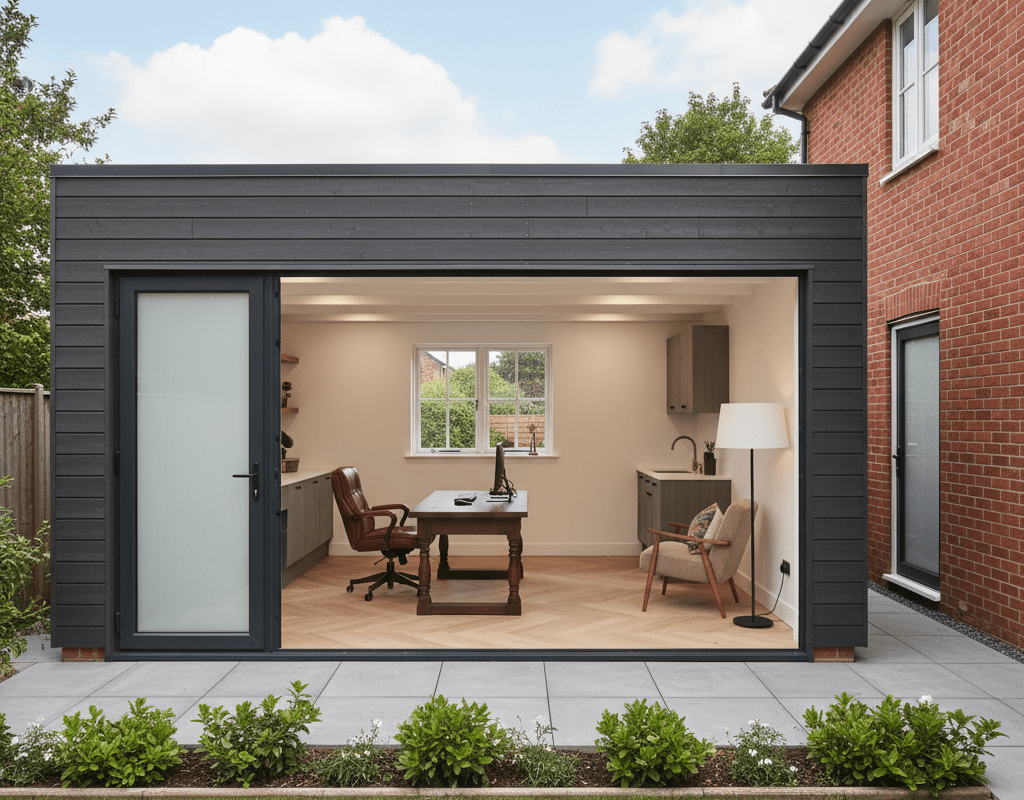
For those looking to expand, kitchen extension modular units are the gold standard for sustainable construction. These prefabricated sections are built in climate-controlled UK factories to minimise on-site waste and noise pollution.
By opting for bespoke loft conversions or modular ground-floor extensions, you can achieve millimetre-perfect insulation levels. This precision prevents the thermal bridging often found in traditional brick-and-mortar builds.
Why Modular is More Sustainable
Water Efficiency and Smart Fixtures
Water scarcity has become a primary concern in UK building design, leading to the adoption of water efficient bathroom fixtures in kitchen designs too. Sensor-activated taps and aerated nozzles are now standard in high-end UK renovations.
Graywater recycling systems are also being integrated into professional garage conversions that house utility rooms. These systems treat water from sinks and dishwashers for use in garden irrigation or toilet flushing.
Selecting Low-VOC and Natural Finishes
Indoor air quality is a vital component of sustainable kitchen remodeling UK standards. Choosing low-VOC (Volatile Organic Compound) paints and natural oils for timber cabinetry ensures a toxin-free environment.
Materials like cork flooring and lime-based plasters are gaining popularity for their carbon-sequestering properties. These finishes regulate humidity naturally, preventing mould growth and improving the overall health of the home.
Lighting and Passive Solar Gain
Optimising natural light reduces the need for artificial illumination during the day. Large-format, triple-glazed aluminium bifold doors are essential for maximising passive solar gain in the winter months.
In 2026, we utilise smart glass technology that tints automatically to prevent overheating, complying with Part O of the building regulations. This ensures your sustainable kitchen remains comfortable throughout the warmer UK summers.
Waste Management in the Modern Kitchen
A truly sustainable kitchen must facilitate easy recycling and composting. Modern cabinetry now includes integrated, multi-compartment waste centres that separate glass, plastics, and organic matter at the source.
Some high-end 2026 designs even include under-counter dehydrators. These units turn food scraps into nutrient-rich soil fertiliser overnight, further reducing the carbon footprint of your household waste.
The Financial Case for Sustainability
While the initial investment in sustainable materials may be higher, the long-term ROI is undeniable. Energy-efficient kitchens significantly increase property valuation in the competitive UK real estate market.
Furthermore, the reduction in monthly utility bills provides a hedge against fluctuating energy prices. Many UK lenders now offer ‘Green Mortgages’ with lower interest rates for homes that meet high EPC ratings.
Conclusion: Future-Proofing Your UK Home
Sustainable kitchen remodeling UK projects are no longer a niche preference; they are a regulatory and ethical necessity. By combining modular construction with smart technology, you create a space that is beautiful and responsible.
Whether you are extending your floor plan or upgrading your current layout, focus on longevity and efficiency. This expert approach ensures your home remains a valuable asset for decades to come.