Prefabricated Modular Kitchen Extensions: The Future of UK Home Improvements
Homeowners across the UK are increasingly turning to prefabricated modular kitchen extensions to bypass the traditional mess of standard builds. These high-performance units offer a swift, sustainable, and technologically superior alternative to brick-and-mortar additions.
In 2026, the shift towards Modern Methods of Construction (MMC) has reached its peak. This guide explores how these factory-built pods deliver exceptional quality while meeting the stringent requirements of the Future Homes Standard.
Why Choose Prefabricated Modular Kitchen Extensions in 2026?
The primary appeal of prefabricated modular kitchen extensions lies in their precision engineering. Built in a controlled environment, these extensions eliminate the unpredictability of British weather and site-specific delays.
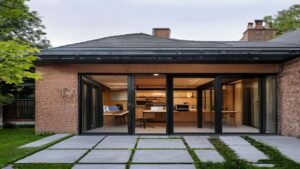
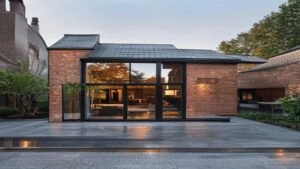
Today’s modular solutions are far from the basic portacabins of the past. They represent the pinnacle of architectural design, blending seamlessly with heritage London stock brick or modern anthracite zinc finishes.
Speed of Installation
A traditional kitchen extension can disrupt your home for months. In contrast, a modular pod is often installed and weather-tight within just a few days.
This rapid turnaround is essential for families in busy hubs like Manchester or London. Minimising on-site time reduces noise pollution and the need for long-term scaffolding.
Understanding MMC Kitchen Pods Price and Value
When calculating your budget, the MMC kitchen pods price is often more transparent than traditional quotes. You receive a fixed-price contract that includes structural engineering, internal finishes, and insulation.
In 2026, a high-quality modular kitchen pod typically ranges from £2,500 to £4,000 per square metre. While this may seem comparable to traditional builds, the savings in project management and labour are significant.
Cost-Saving Benefits of Modular Units
* Fixed Manufacturing Costs: Avoid the fluctuating prices of raw timber and steel on-site.
* Reduced Labour Fees: Specialist teams install the unit in hours, not weeks.
* Minimised Wastage: Precision factory cutting reduces material waste by up to 40%.
If you are planning a wider renovation, you might consider how loft conversions can be integrated with your new ground-floor modular footprint.
Sustainable Kitchen Materials UK: The Net Zero Standard
Sustainability is no longer optional under the 2026 UK Building Regulations. Our prefabricated modular kitchen extensions utilise sustainable kitchen materials UK homeowners can trust for long-term performance.
From FSC-certified timber frames to recycled aluminium cladding, every element is chosen for its low carbon footprint. These materials ensure your home meets the decarbonisation targets set by the government.
Top Eco-Friendly Materials for 2026
By choosing sustainable house extensions, you ensure your property remains compliant with Part L of the Building Regulations.
Smart Kitchen Integration and Modern Connectivity
A modern extension must be as intelligent as it is beautiful. Modern smart kitchen integration is now standard in modular builds, featuring built-in sensors and automated systems.
These systems manage everything from lighting and heating to inventory management. Imagine a kitchen that automatically adjusts its internal climate based on the occupancy levels and external UK weather conditions.
Essential Smart Features
* Automated Energy Monitoring: Track your heat pump efficiency in real-time.
* Integrated Smart Lighting: Human-centric lighting that shifts colour temperature throughout the day.
* Voice-Activated Appliances: Seamlessly control ovens and taps for a hands-free cooking experience.
When planning these technical installs, many clients also upgrade their existing layouts through professional home renovations to ensure consistency.
Modern Kitchen Remodelling Trends in the UK
Design aesthetics in 2026 have moved towards ‘biophilic luxury’. This involves large spans of triple-glazed glass and internal living walls that thrive in the well-ventilated modular environment.
Modern kitchen remodelling trends also emphasise ‘broken-plan’ living. This uses the modular extension to create distinct zones for cooking, working, and socialising without losing the sense of space.
2026 Design Highlights
* Hidden Pantries: Maximising floor space by concealing storage within the modular walls.
* Textured Finishes: Using lime-washed timber and blackened steel to create visual depth.
* Outdoor Transitions: Level-threshold sliding doors that connect the kitchen to the garden effortlessly.
Navigating Planning Permission for Modular Pods
Many prefabricated modular kitchen extensions fall under Permitted Development rights. However, strict rules apply to conservation areas and listed buildings in regions like the Cotswolds.
It is vital to consult with a professional to ensure your modular unit complies with the latest 2026 Part O (Overheating) regulations. This ensures your high-performance glazing does not lead to excessive solar gain during summer months.
The Planning Checklist
* Verify Permitted Development height and depth limits.
* Submit a Lawful Development Certificate to provide peace of mind for future sales.
* Ensure the modular design matches the character of the existing property.
The Installation Process: What to Expect
The journey begins with groundworks, which are completed while your kitchen is being built in the factory. This ‘parallel processing’ is what makes modular construction so efficient.
Once the screw-pile foundations are set, the kitchen pod is delivered via a flatbed truck. A crane then lifts the unit into place, where it is secured and connected to utilities within a single day.
Final Thoughts on Modular Extensions
Prefabricated modular kitchen extensions represent the smartest investment for the modern UK homeowner. They offer a fixed price, a guaranteed timeline, and a level of finish that is difficult to achieve on a standard building site.
Whether you are looking to increase property value or create a sustainable family hub, modular technology provides the answer. Embrace the 2026 standard of living with a high-performance, smart-integrated kitchen pod.