
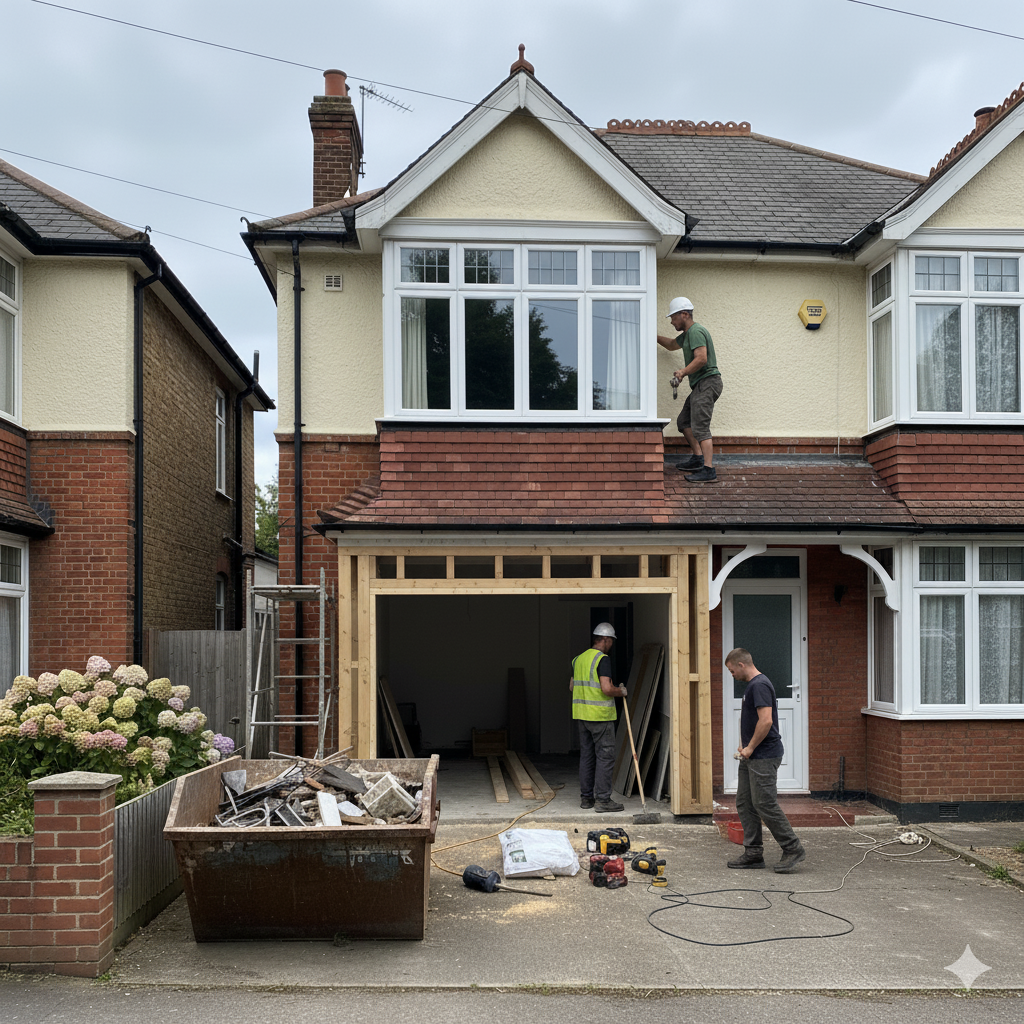




Landlord EPC C Renovation Costs UK: Your 2026 Strategy Guide
Navigating the current Landlord EPC C renovation costs UK has become a critical priority for property investors in 2026. With the government’s tightened focus on Net Zero, ensuring your rental portfolio meets the Minimum Energy Efficiency Standards (MEES) is no longer optional.
Rising material prices and the introduction of the Future Homes Standard have shifted the financial landscape for property upgrades. This guide provides a detailed breakdown of costs, grants, and strategic retrofitting to protect your yields and compliance.
Understanding the 2026 Energy Efficiency Landscape
The 2026 UK rental market is defined by a rigorous push toward decarbonisation and energy security. Landlords are now required to demonstrate a clear pathway toward an EPC C rating or higher to maintain legal tenancies.
While initial outlays may seem daunting, the long-term value of your asset depends on these improvements. Investing now prevents the risk of ‘stranded assets’ that cannot be legally let in the coming years.
Breaking Down Landlord EPC C Renovation Costs UK
Estimating Landlord EPC C renovation costs UK requires looking at several key areas of the building fabric. For a standard three-bedroom semi-detached house, current 2026 market rates range from £8,000 to £15,000 for a comprehensive upgrade.
These costs vary significantly based on the existing condition of the property and its architectural style. Older Victorian terraces typically require more intensive investment than late-20th-century builds to achieve the same thermal performance.
Core Investment Areas for 2026
* Fabric First Approach: Prioritising the building envelope to reduce heat loss before installing new technology.
* Smart Integration: Incorporating smart meters and intelligent heating controls as required by modern building regulations.
* Sustainable Materials: Using high-performance timber or modern house extensions techniques to enhance thermal mass.
Insulating Rental Properties: The Highest ROI
Insulating rental properties remains the most cost-effective method to jump from a D or E rating to a solid C. By focusing on the ‘thermal envelope’, you ensure that every pound spent on heating is maximised.
In 2026, we are seeing a shift towards bio-based insulation materials like hemp and wood fibre. These materials offer superior breathability, which is vital for maintaining the structural integrity of older UK housing stock.
Key Insulation Costs in 2026
Strategic Landlord Retrofitting Guide
Effective retrofitting requires a staged approach to avoid unnecessary disruption and duplicated costs. A professional landlord retrofitting guide starts with a detailed energy audit conducted by a qualified domestic energy assessor.
Once the baseline is established, you should focus on the ‘quick wins’ first. This includes draught-proofing, LED lighting, and upgrading to high-efficiency thermostatic radiator valves (TRVs).
The Retrofit Workflow
* Phase 1: Draught-proofing and loft insulation to secure the roof space.
* Phase 2: Upgrading windows to A-rated double or triple glazing.
* Phase 3: Replacing old gas boilers with air-source heat pumps or high-efficiency systems.
* Phase 4: Utilising professional loft conversions to create additional high-efficiency living space.
Improving EPC Rating on a Budget
If you are improving EPC rating on a budget, focus on the low-cost, high-impact items identified in your EPC recommendation report. Small changes like lagging pipes and installing cylinder jackets can contribute several points toward your final score.
In 2026, the inclusion of smart TRVs and high-accuracy thermostats is often enough to tip a property from 68 (D) into 69 or 70 (C). These upgrades are relatively inexpensive compared to major structural work.
Budget-Friendly Upgrade Checklist
* Switching 100% of lighting to high-lumen LED bulbs.
* Installing reflective radiator panels to redirect heat into the room.
* Fitting a smart meter to provide tenants with real-time energy usage data.
* Sealing gaps in floorboards and around window frames with heritage-grade sealants.
Maximising Green Renovation Grants UK
The 2026 landscape offers several green renovation grants UK to help offset the Landlord EPC C renovation costs UK. The Home Upgrade Grant (HUG) and the Boiler Upgrade Scheme have been extended to support the transition to low-carbon heating.
Landlords can often access significant subsidies for heat pump installations or solid wall insulation. Ensure you check with your local authority for regional ‘Social Housing Decarbonisation Fund’ equivalents that may apply to private landlords.
Available Funding Streams
Future-Proofing with New Standards
By 2026, the Future Homes Standard has redefined what constitutes a ‘quality’ rental property. Modern tenants are increasingly looking for ‘all-electric’ homes that are cheap to run and environmentally responsible.
When planning your renovation, consider integrating sustainable additions such as smart garage conversions that include EV charging points. This not only boosts your EPC but also significantly increases the rental premium and capital value of the property.
The Role of Smart Technology in EPC Ratings
Digitalisation is now a core component of the EPC calculation methodology (RdSAP). Smart thermostats that learn tenant behaviour and adjust heating schedules automatically are viewed favourably by assessors.
Furthermore, the integration of solar PV panels with battery storage has become significantly more affordable in 2026. This setup can often propel a property directly into the EPC B or A category, future-proofing it for decades.
Conclusion: Navigating the 2026 Renovation Cycle
Managing Landlord EPC C renovation costs UK requires a balance of strategic investment and leveraging available grants. While the upfront costs are real, the risks of non-compliance and tenant turnover far outweigh the investment.
By following a fabric-first approach and focusing on high-impact insulation, you can achieve compliance efficiently. Start your 2026 renovation journey today to ensure your portfolio remains profitable and sustainable for the future.