


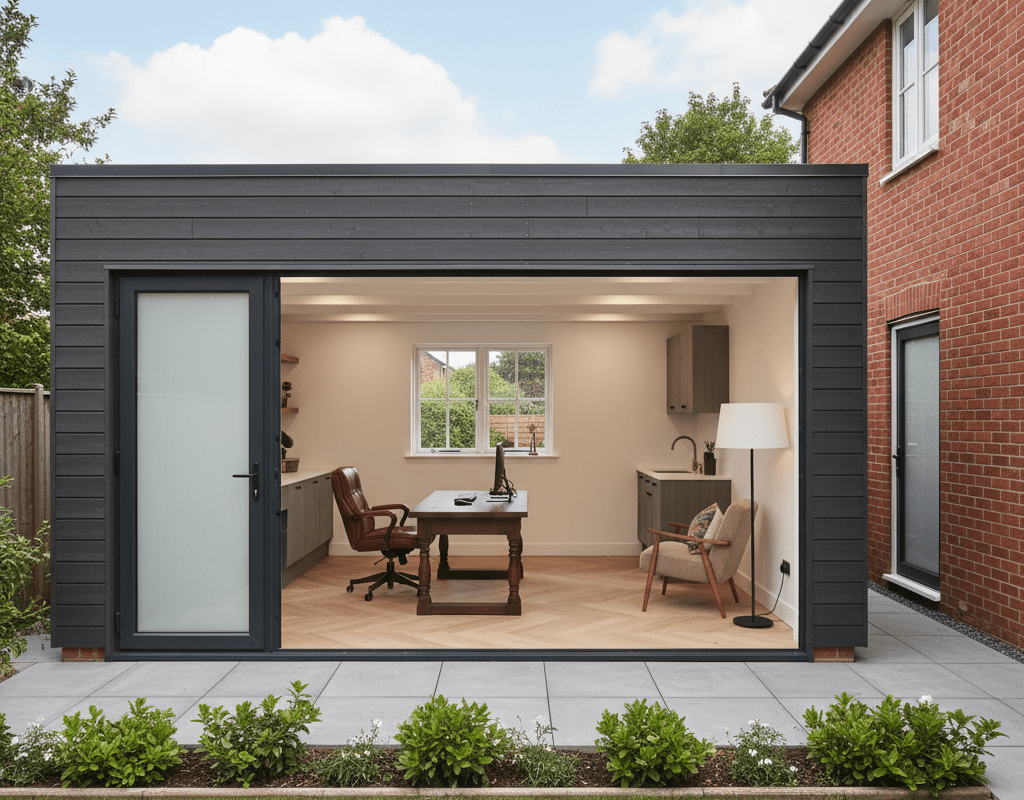


Modern Kitchen Remodelling UK 2026: Future-Proofing Your Home
Navigating Modern Kitchen Remodelling UK 2026 requires a sophisticated understanding of the latest Future Homes Standard updates. Homeowners are now prioritising thermal efficiency alongside high-end aesthetics to ensure long-term property value.
As we enter 2026, the shift towards sustainable, high-performance living spaces has become the industry benchmark. Whether you are planning a sleek city apartment update or a comprehensive house extension in London, your kitchen must balance form and function.
The Evolution of Kitchen Design in 2026
The current landscape of UK construction is defined by the rigorous requirements of Part L building regulations. This means every aspect of your remodel, from insulation to lighting, must meet strict energy-efficiency targets.
Modern Kitchen Remodelling UK 2026 is no longer just about aesthetics; it is about creating a carbon-neutral environment. Professionals are now focusing on circular economy principles to reduce the environmental impact of every renovation.
Sustainable Material Selection
Choosing eco-friendly kitchen materials UK wide is the primary trend for 2026 projects. Homeowners are moving away from virgin plastics and towards materials with a lower carbon footprint.
* Timber and Bamboo: Sustainably sourced British timber remains a favourite for cabinetry.
* Recycled Metals: Aluminium handles and kickplates made from 90% recycled content are standard.
* Natural Cork: This carbon-positive material is frequently used for wall coverings and flooring.
Recycled Stone Worktops London
In the capital, recycled stone worktops London residents prefer are made from crushed glass and porcelain offcuts. These surfaces offer the luxury look of marble while supporting Net Zero goals.
These worktops are non-porous and highly resistant to heat, making them perfect for busy family kitchens. They represent the pinnacle of luxury meeting responsibility in modern British interior design.
Smart Home Kitchen Integration and Technology
Smart home kitchen integration has evolved from simple voice commands to fully automated energy management systems. In 2026, your kitchen appliances should communicate with your solar PV array or heat pump.
Integrating your kitchen with a wider home automation system allows for real-time monitoring of energy consumption. This data is essential for maintaining the high SAP ratings required by modern building codes.
The Rise of Intelligent Appliances
* AI Fridges: Inventory tracking systems that suggest recipes to reduce food waste.
* Automated Lighting: Biodynamic lighting systems that adjust colour temperature based on the time of day.
* Smart Taps: Filtered, boiling, and chilled water dispensers that monitor usage to prevent water waste.
Induction Hob Installation Benefits
As the UK moves away from domestic gas connections, induction hob installation benefits have become impossible to ignore. These units are significantly more efficient than traditional gas or electric ceramic hobs.
They offer precise temperature control and a safer cooking environment as the surface remains cool to the touch. In 2026, induction is the standard for any high-specification kitchen remodel.
Complying with 2026 Building Regulations
Every Modern Kitchen Remodelling UK 2026 project must adhere to the latest updates to Part O (Overheating) and Part L. This often involves upgrading glazing or improving mechanical ventilation heat recovery (MVHR) systems.
If your remodel is part of a larger project, such as a loft conversion, ensuring seamless thermal continuity is vital. Our experts recommend a holistic approach to ensure the kitchen does not become a thermal bridge.
Ventilation and Air Quality
Modern kitchens are airtight to prevent heat loss, making high-quality extraction and ventilation essential. Passive vents or smart extractors that sense moisture levels are now common in UK homes.
Improving indoor air quality is a core pillar of the 2026 construction standards. This protects both the fabric of the building and the health of the occupants.
Cost Considerations and Project Planning
Material costs in 2026 have stabilised after the volatility of previous years, but labour remains a premium. Investing in high-quality tradespeople is the only way to ensure a compliant and durable finish.
* Design Fees: Budgeting 10-15% for professional architectural design and planning.
* Material Allocation: Allocating funds for high-performance sustainable surfaces and energy-rated appliances.
* Contingency: Maintaining a 10% buffer for unforeseen structural requirements in older UK properties.
The Value of Modular Prefabricated Elements
Many 2026 remodels utilise prefabricated modular components to speed up on-site installation. This reduces waste and ensures a higher level of precision than traditional on-site joinery.
Modular cabinetry allows for easier repairs and future upgrades, extending the lifecycle of the kitchen. This ‘design for disassembly’ approach is a key component of sustainable UK construction.
Checklist for a Successful 2026 Remodel
Final Touches: Lighting and Texture
Layered lighting is the secret to a professional kitchen finish. Use a combination of task lighting under cabinets, ambient pendant lights, and accent lighting for architectural features.
Texture plays a massive role in 2026, with tactile finishes like fluted wood and honed stone taking centre stage. These elements add depth and character to the sleek lines of a modern kitchen.
Conclusion: Investing in the Future
A Modern Kitchen Remodelling UK 2026 project is a significant investment in your property’s future. By prioritising energy efficiency and sustainable materials, you create a space that is beautiful, functional, and compliant.
Whether you are looking for recycled stone worktops London based or the latest smart tech, the goal is always quality. Ensure your project meets the 2026 standards to enjoy a home that is truly fit for the future.