


Sustainable Kitchen Renovation 2026: The Future of UK Home Design
Embarking on a sustainable kitchen renovation 2026 requires a deep understanding of the latest environmental standards and technological shifts. As the UK moves closer to Net Zero, homeowners must balance aesthetic appeal with high-performance energy efficiency.
The 2026 landscape is defined by the Future Homes Standard, which has transformed how we approach heat loss and ventilation. Transitioning your cooking space into an eco-friendly hub is no longer just a trend; it is a regulatory necessity.
Navigating the 2026 Building Regulations for Kitchens
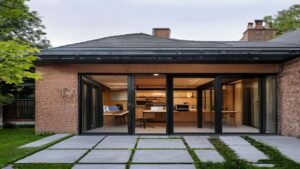
Recent updates to Part L and Part O of the Building Regulations have fundamentally changed kitchen design. These rules prioritise thermal efficiency and prevent overheating in modern, glass-heavy extensions.
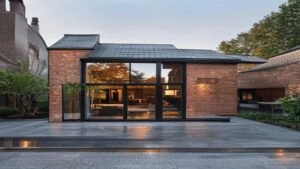
When planning your project, you must consider how your new layout integrates with high-performance insulation. Our specialist house extensions team can help ensure your structural changes meet these rigorous 2026 carbon-neutral targets.
Embracing the Future Homes Standard
The Future Homes Standard now mandates that all new renovations significantly reduce carbon emissions. This includes moving away from gas hobs toward high-efficiency induction systems and integrated heat recovery ventilation.
Working with an expert ensures that your plumbing and electrical infrastructure can handle the increased load of electric-only heating. This proactive approach future-proofs your property value against tightening EPC requirements.
The Rise of Recycled Worktop Materials
One of the most impactful choices in a sustainable kitchen renovation 2026 is the selection of surfaces. Traditional granite and quartz are being replaced by innovative, circular-economy solutions.
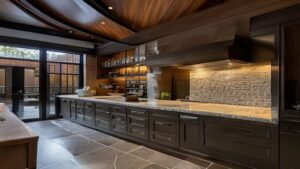
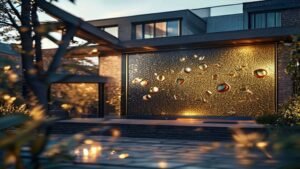
Recycled worktop materials, such as those made from compressed paper, forest-floor detritus, or reclaimed glass, offer incredible durability. These surfaces are non-porous and provide a unique, organic aesthetic that natural stone cannot replicate.
Benefits of Bio-Based and Circular Surfaces
* Low Embodied Carbon: These materials require significantly less energy to manufacture than quarried stone.
* Repairability: Many modern composite surfaces can be sanded and refinished, extending their lifespan indefinitely.
* Zero-VOC Binding: Advanced resins now use bio-based polymers, ensuring no harmful gases are released into your home.
High-Performance Modular Kitchen Units UK
The UK market has seen a massive shift toward modular kitchen units UK homeowners can easily adapt. These systems are designed for longevity, allowing you to replace individual components rather than entire layouts.
Modular design reduces waste during the installation phase and simplifies future upgrades. If you are also considering loft conversions, modular units are particularly effective for navigating tight, structural constraints.
Why Modular is the Green Choice
Cutting-Edge AI Smart Kitchen Appliances
In 2026, energy efficiency is driven by AI smart kitchen appliances that learn your household habits. These devices communicate with the National Grid to draw power when renewable energy is at its peak.
From refrigerators that monitor food spoilage to ovens that calculate the precise energy required for a roast, technology is the backbone of sustainability. This intelligence helps reduce your annual electricity bill by up to 30%.
Smart Integration and Energy Monitoring
* Load Balancing: Appliances delay high-energy cycles until off-peak hours, easing the strain on the UK grid.
* Precision Cooking: AI sensors prevent overcooking and energy waste by monitoring internal food temperatures in real-time.
* Water Management: Smart dishwashers now recycle final-rinse water for the first stage of the next cycle.
Sustainable Cabinetry Finishes and Low-Impact Paints
The final touch in any sustainable kitchen renovation 2026 involves selecting ethical coatings. Sustainable cabinetry finishes have evolved to provide commercial-grade durability without the use of toxic solvents.
Natural oils, water-based lacquers, and plant-derived paints are now the industry standard for high-end UK projects. These finishes allow the natural grain of timber to shine while providing a robust barrier against moisture.
Selecting the Right Eco-Friendly Finish
* Linseed Oil Finishes: Perfect for solid timber, providing a deep, rich lustre that is easily maintained.
* Recycled PET Foils: Using plastic ocean waste to create sleek, matte cabinet fronts that are incredibly hard-wearing.
* Clay-Based Paints: Ideal for kitchen walls, as they are breathable and naturally regulate humidity levels.
Planning Your Structural Foundations
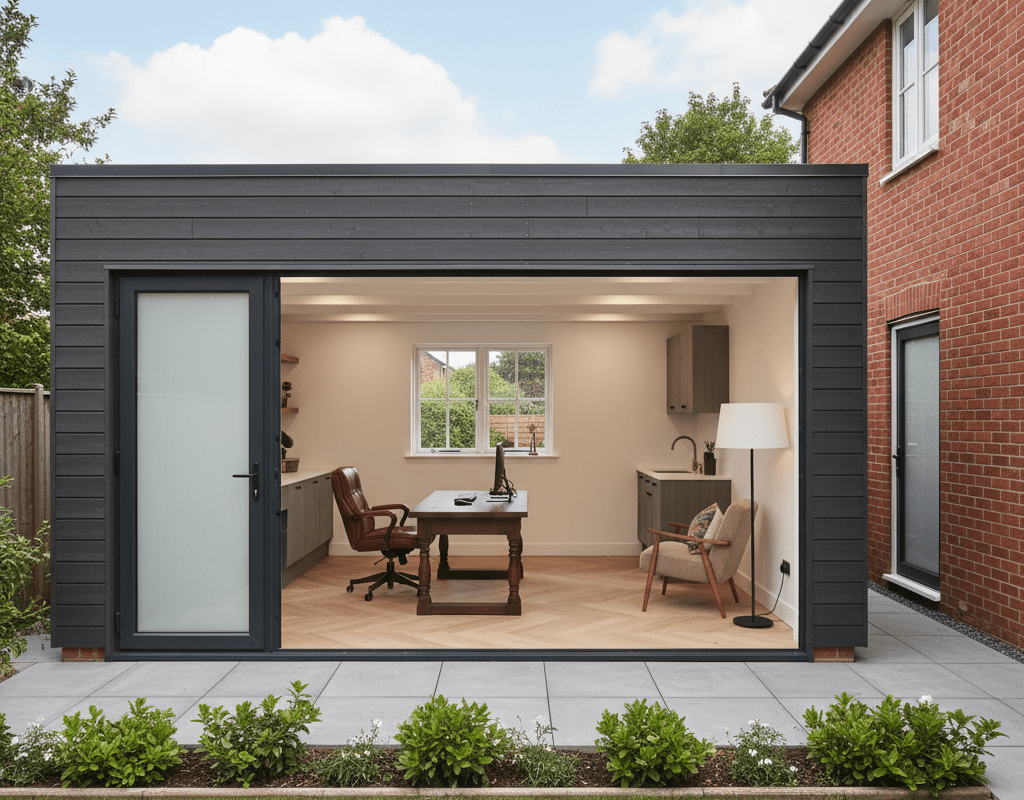
A truly sustainable kitchen often requires more space than a standard Victorian footprint allows. If your project involves a ground-floor expansion, you must consider the environmental impact of your foundations.
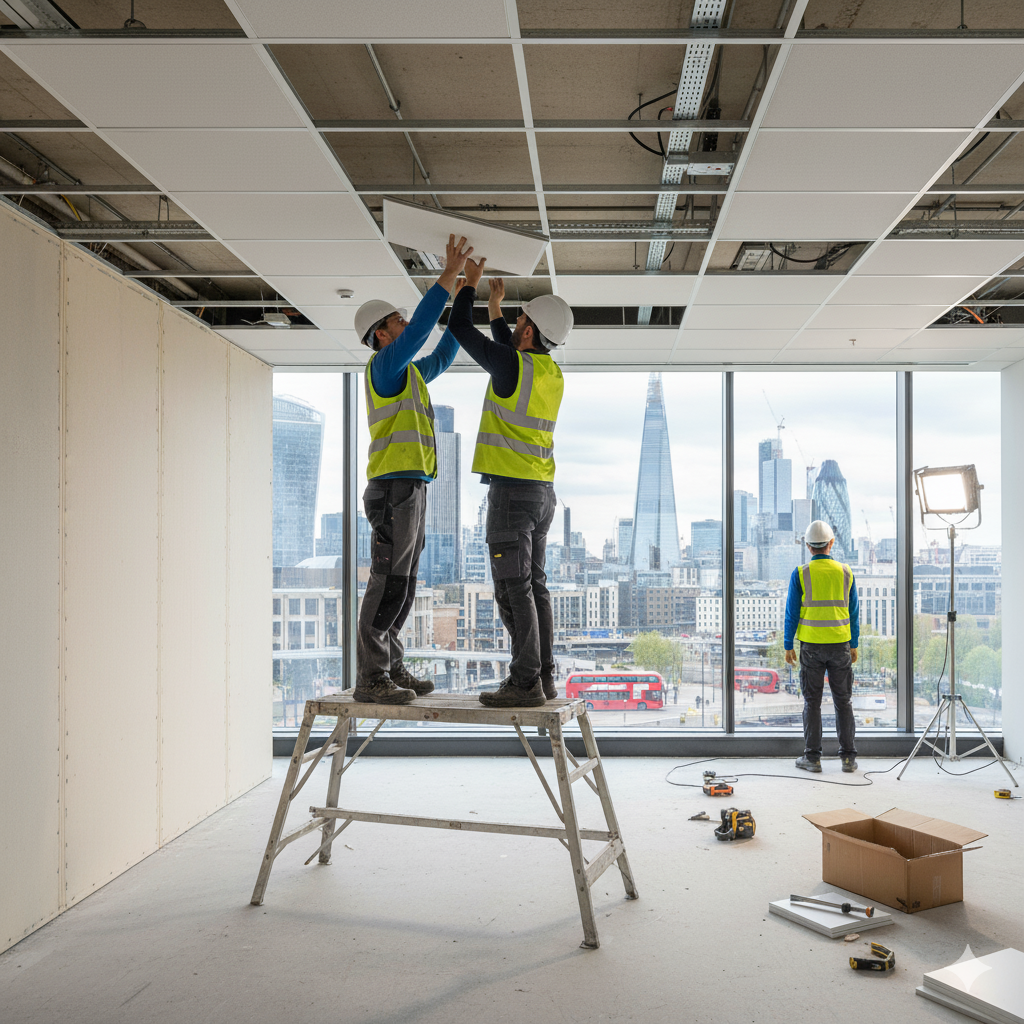
Utilising screw piles or low-carbon concrete alternatives can significantly lower the footprint of your build. Our commercial contractors often apply industrial-scale sustainability techniques to residential projects for superior results.
The Importance of Airtightness
* Vapour Barriers: Essential for preventing moisture build-up in high-performance timber frame extensions.
* Triple Glazing: The 2026 standard for any new kitchen extension to ensure year-round thermal comfort.
* Mechanical Ventilation with Heat Recovery (MVHR): Extracting cooking odours while retaining 90% of the heat within the room.
Expert Final Thoughts on 2026 Kitchen Design
Achieving a successful sustainable kitchen renovation 2026 requires a holistic approach to design and material sourcing. By prioritising longevity and efficiency, you create a space that is both beautiful and ethically sound.
Always consult with a qualified architect or build firm to ensure your vision aligns with the latest UK building codes. With the right planning, your kitchen will remain a high-value asset for decades to come.
Your Sustainability Checklist