
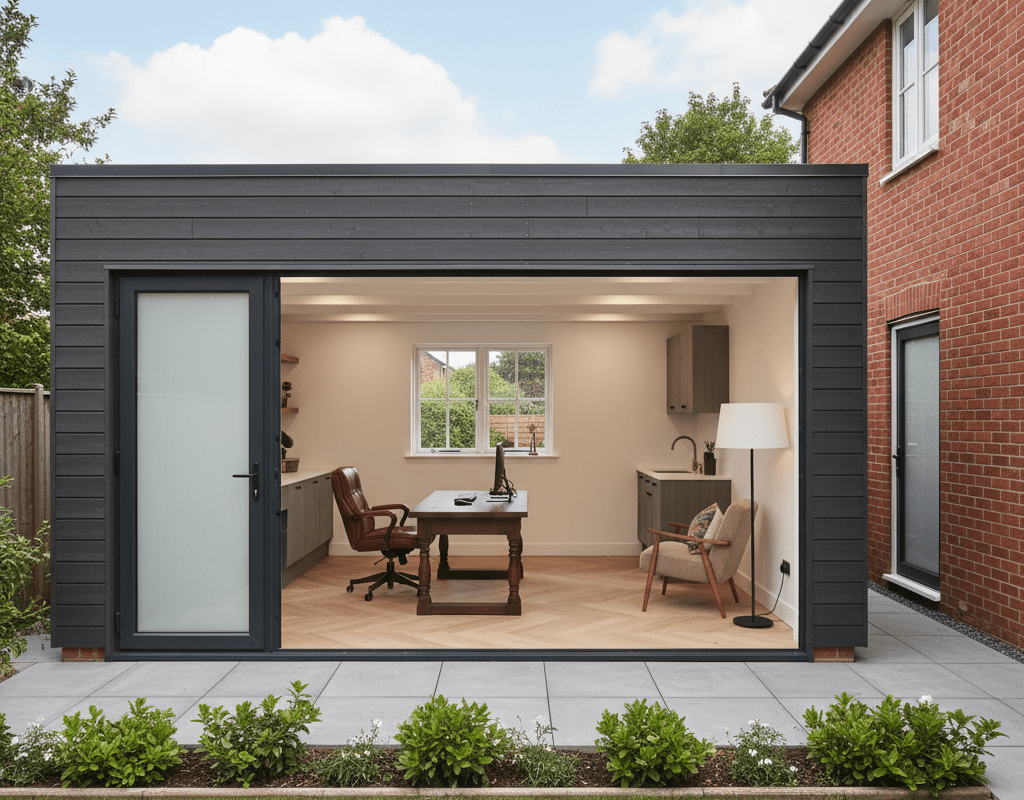


Bespoke Joinery for Modular Homes: The 2026 Design Standard
Bespoke joinery for modular homes has become the cornerstone of high-end UK residential construction in 2026. As the Future Homes Standard now mandates strict thermal efficiency, precision-engineered timber is the leading choice for savvy homeowners.
Modern modular living requires a delicate balance between space-saving functionality and aesthetic luxury. Achieving this requires a deep understanding of how bespoke carpentry for extensions integrates with prefabricated structural systems.
The Shift to Sustainable Timber in 2026
Sustainability is no longer a choice but a regulatory requirement in the current UK market. Using FSC certified timber UK ensures that your modular project aligns with the latest Net Zero targets and Part L building regulations.
Timber acts as a natural carbon sink, making it the ideal material for those looking to reduce their environmental footprint. We now see a massive surge in the use of UK-grown ash and oak for internal modular fittings.
Why FSC Certification Matters for Your Build
* Traceability: Guaranteed origin from responsibly managed forests across the British Isles.
* Compliance: Meets the 2026 biodiversity net gain standards required for new modular developments.
* Longevity: High-quality timber undergoes rigorous kiln-drying processes to prevent warping in airtight modular environments.
Integrated Storage Solutions 2026: Maximising Every Square Metre
In 2026, the trend for integrated storage solutions 2026 has moved beyond simple cupboards. We are now seeing “invisible” storage that forms the very walls of the modular unit.
Modular homes often have smaller footprints than traditional builds, making smart carpentry essential. From floor-to-ceiling libraries to hidden utility hubs, every millimetre must be optimised for performance.
Top Trends in Modular Storage
- Media Walls: Seamlessly housing 8K displays and smart home hubs within flush timber panelling.
- Window Seats: Combining thermal comfort with deep storage drawers for a multi-functional space.
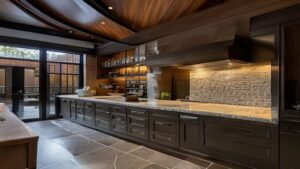
- Kitchen Pantries: Pocket-door systems that disappear into the wall to maintain a clean aesthetic.
Integrating these features early is vital, especially when planning loft conversions or new modular annexes.
Bespoke Carpentry for Extensions and Modular Additions
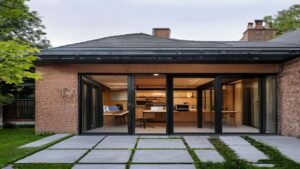
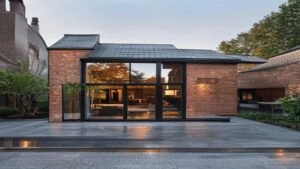
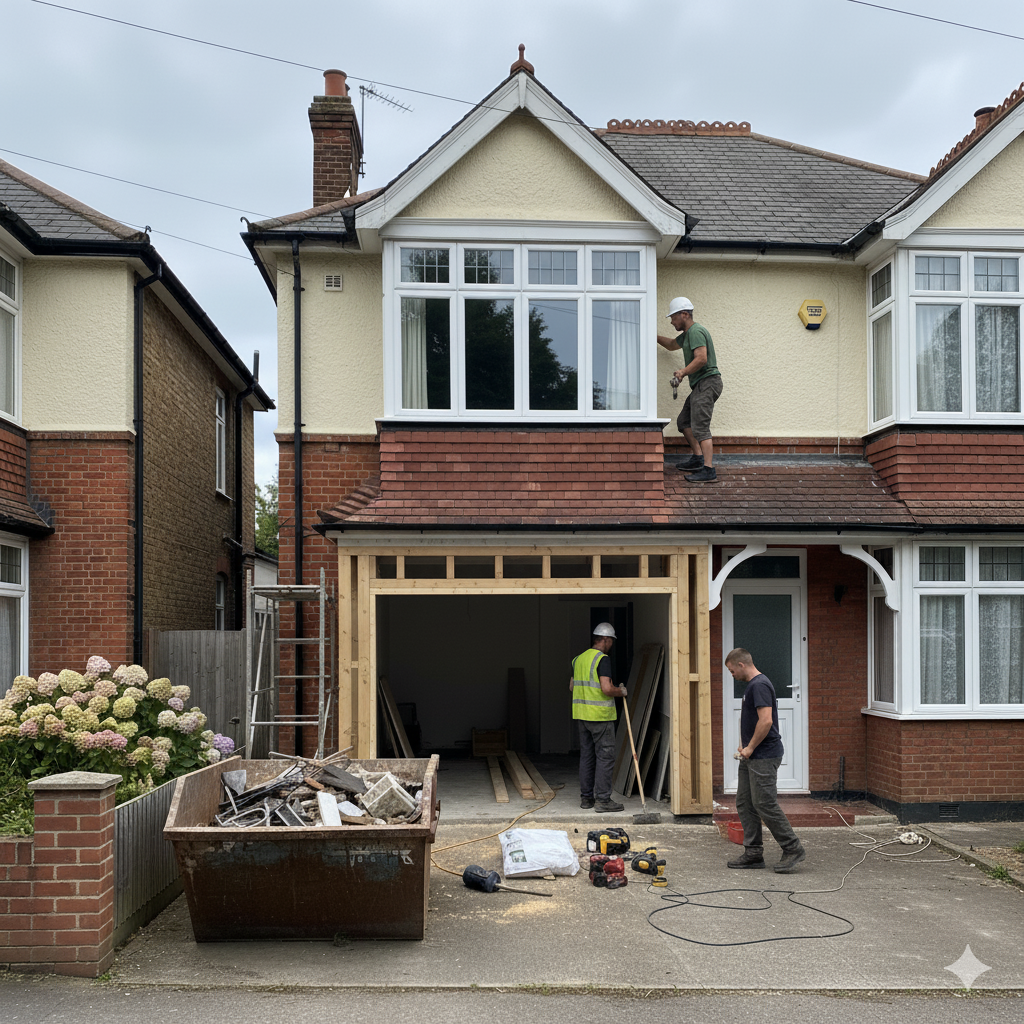
When adding a modular pod to an existing property, the joinery must bridge the gap between old and new. Bespoke carpentry for extensions allows for a seamless transition that standard flat-pack furniture simply cannot replicate.
In London and the South East, we frequently use bespoke joinery to mask the connection points between traditional masonry and new modular sections. This creates a unified interior design language that increases the property’s market value significantly.
Matching Heritage Aesthetics with Modern Methods
* Sash Window Linings: Using traditional profiles with modern, high-performance timber.
* Skirting and Architraves: Creating custom runs that align perfectly across modular joints.
* Staircase Integration: Crafting timber stairs that provide the structural link between modular levels.
Sustainable Wood Finishes and IAQ (Indoor Air Quality)
In 2026, the focus has shifted heavily toward the health of the home’s occupants. Choosing sustainable wood finishes is critical for maintaining high indoor air quality in airtight modular structures.
VOC-free oils and water-based lacquers are now the industry standard for bespoke joinery. These finishes protect the timber while ensuring no harmful chemicals are released into your living space.
Popular Finishes for the Modern UK Home
* Hardwax Oils: Providing a durable, matte finish that highlights the natural grain of the timber.
* Natural Beeswax: Ideal for heritage-style modular builds in the Cotswolds or rural areas.
* Low-VOC Stains: Offering a wide range of colours from charcoal greys to light Nordic oaks.
These finishes are particularly effective in high-traffic areas like kitchen extensions, where durability is as important as aesthetics.
The Role of Precision Technology in Joinery
Today’s joinery is designed using advanced CAD software that integrates directly with modular manufacturing schedules. This ensures that every piece of timber fits with sub-millimetre accuracy before it even reaches the site.
Precision CNC cutting allows for complex geometric shapes that were previously too expensive to produce. This technology enables the creation of unique, sculptural furniture pieces that define the character of a modular home.
Advantages of Tech-Driven Joinery
- Reduced Waste: Digital nesting ensures maximum yield from every timber board.
- Faster Install: Pre-scribed pieces mean minimal cutting and dust on the construction site.
- Perfect Fit: Account for the exact tolerances of the modular frame, preventing future gaps.
Cost Considerations for Bespoke Joinery in 2026
While material costs for timber have stabilised since the peaks of the early 2020s, skilled labour remains a premium. Investing in bespoke joinery should be viewed as a long-term capital improvement rather than a mere decorative expense.
On average, high-end bespoke joinery accounts for 15-20% of a luxury modular build budget. However, the ROI is often double this when the property is valued, thanks to the unique “architect-led” finish it provides.
Budgeting Your Joinery Project
* Material Choice: Oak and walnut remain at the top end, while ash and birch plywood offer more budget-friendly options.
* Complexity: Curved designs and hidden hardware will increase the final price point.
* Lead Times: Always allow 8-12 weeks for high-quality bespoke workshop production.
Conclusion: The Future of Modular Living
Bespoke joinery for modular homes is the final piece of the puzzle for the modern UK homeowner. It transforms a factory-built shell into a warm, characterful, and highly functional living space.
By prioritising FSC certified timber and sustainable wood finishes, you ensure your home is ready for the 2026 market. Whether you are planning a new modular build or a bespoke extension, the right carpentry is your greatest asset.