


Biodiversity Net Gain Driveways: The Future of UK Kerb Appeal
By 2026, the landscape of British residential construction has shifted fundamentally toward environmental accountability. Biodiversity Net Gain Driveways are no longer a niche luxury but a critical component of modern planning applications.
Homeowners and developers must now ensure that every external renovation adds measurable value to the local ecosystem. This guide explores how to achieve these standards while maintaining high-end aesthetics and structural durability.
Understanding Biodiversity Net Gain for Residential Projects
The 10% statutory uplift required for larger developments has now trickled down into standard residential expectations. Biodiversity Net Gain residential requirements focus on converting sterile surfaces into living, breathing assets for local wildlife.
Transitioning from traditional tarmac to nature-positive solutions is a core part of our expert consultation. We recommend integrating these features early in your project timeline to ensure compliance with the latest 2026 Future Homes Standard.
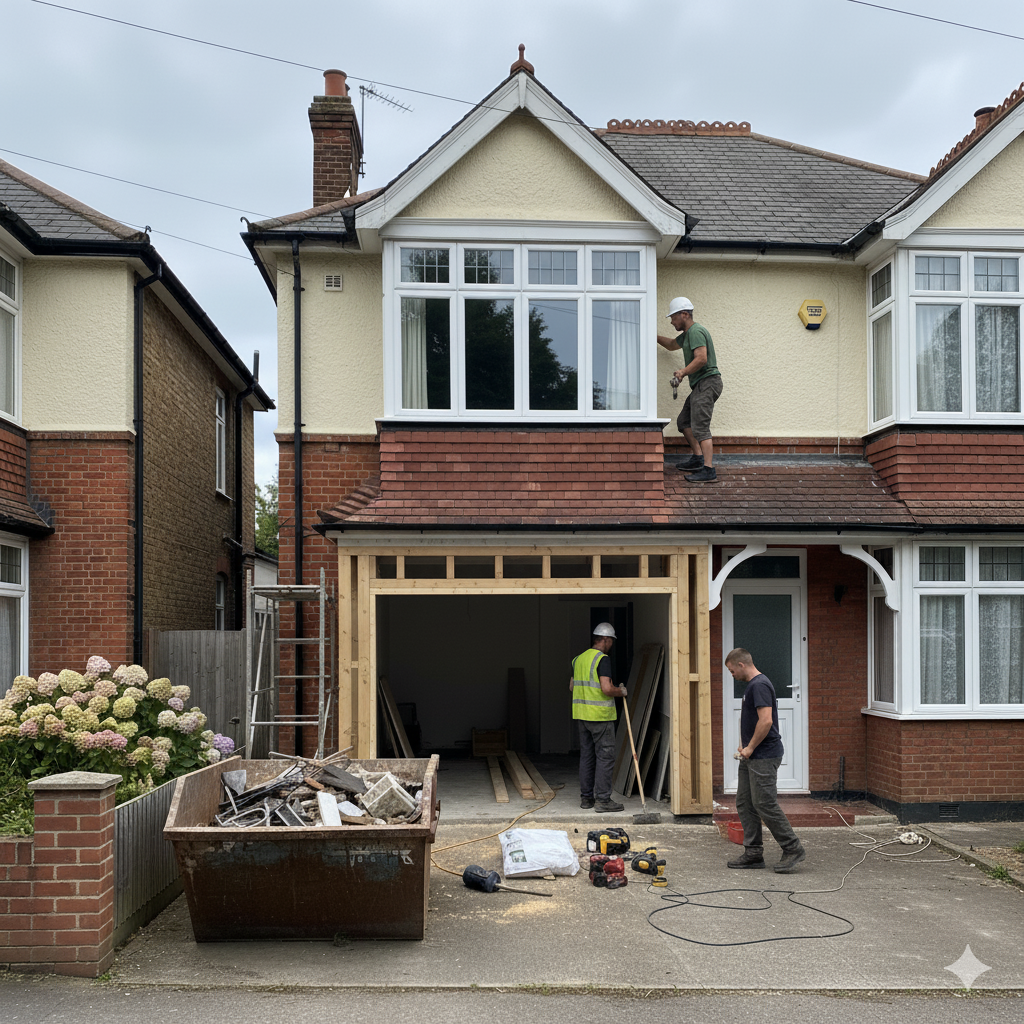
For those undertaking larger renovations, integrating these eco-systems with house extensions is the most efficient way to secure planning approval. Modern planning officers now look for holistic environmental strategies that include both the building envelope and the surrounding land.
The Rise of Permeable Resin Driveways in the UK
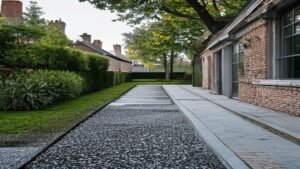
Permeable resin driveways UK wide have become the gold standard for high-performance, eco-friendly surfacing. These systems allow water to filter directly into the ground, reducing the pressure on overstretched Victorian drainage networks.
Unlike traditional ‘non-porous’ resin, these 2026-spec systems use clear UV-stable binders mixed with naturally sourced British aggregates. This creates a surface that is both incredibly durable and environmentally responsible, meeting the strictest BNG metrics.
Benefits of Permeable Resin Systems
- Eliminates standing water and hazardous ice patches during British winters.
- Available in various natural stone colours like Dorset Gold and Silver Grey.
- Fully compliant with the latest Sustainable Drainage Systems (SUDS) legislation.
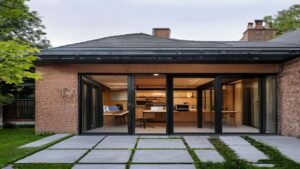
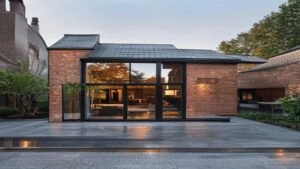
- Provides a sleek, contemporary finish that complements modern architectural glazing.
SUDS Compliant Paving: Essential 2026 Standards
Sustainable Drainage Systems, or SUDS compliant paving, is now a mandatory consideration for any driveway exceeding five square metres. Failure to comply can lead to significant fines and the requirement to tear up the installation under new local authority enforcement powers.
In 2026, the most popular SUDS solutions involve cellular grids and porous block paving. These systems allow grass or micro-clover to grow through the structure, directly contributing to your property’s biodiversity score.
When planning a comprehensive home overhaul, including loft conversions, ensuring your ground-level drainage is up to code is vital. It prevents the increased runoff often associated with larger roof spans and higher occupancy levels.
Eco-Friendly Patio Materials and Biodiversity
Your driveway should not exist in isolation; it must connect seamlessly with your garden spaces. Utilising eco-friendly patio materials like reclaimed York stone or UK-grown heat-treated timber creates a cohesive ecological corridor.
Modern 2026 materials now include ‘carbon-negative’ paving slabs made from recycled industrial by-products. These materials offer the aesthetic of premium granite while actively sequestering carbon from the atmosphere throughout their lifespan.
Top Eco-Friendly Material Choices
- Reclaimed Blue Slate: Low carbon footprint and high durability.
- Porous Porcelain: Modern aesthetic with built-in drainage channels.
- Recycled Glass Aggregates: A vibrant, unique finish for decorative borders.
- Crushed UK Limestone: Naturally filters rainwater while supporting local quarries.
Integrating Smart Tech with Green Infrastructure
As we move deeper into 2026, Biodiversity Net Gain Driveways are being integrated with smart home technologies. This includes soil moisture sensors that trigger automated irrigation for ‘living’ driveway strips during dry South East summers.
We often see these smart systems integrated into basement conversions where water management is a primary engineering concern. By linking your driveway drainage to a basement sump or greywater harvesting tank, you create a circular water economy.
These high-tech additions not only help you meet BNG targets but also future-proof your property value. High-end buyers in London and the Cotswolds now prioritise ‘Green Tech’ credentials over traditional luxury finishes.
Maintenance and Long-Term Ecological Success
A biodiversity-positive driveway requires a different maintenance mindset compared to traditional concrete. You aren’t just maintaining a surface; you are stewarding a small-scale habitat that supports pollinators and prevents urban heat islands.
Regular ‘topping up’ of permeable aggregates ensures that the drainage rates remain high. Additionally, avoiding harsh chemical weedkillers is essential to maintain the microbial health of the soil beneath your permeable paving.
Annual Maintenance Checklist
- Power-wash permeable surfaces using eco-friendly, pH-neutral detergents.
- Inspect ‘living’ borders for invasive species and replant native wildflowers.
- Check that drainage channels are clear of debris after autumn leaf fall.
- Refresh resin-bound surfaces with a high-grip UV-recoat every 5-7 years.
Cost Implications in 2026
While the initial investment for Biodiversity Net Gain Driveways is approximately 15-20% higher than traditional tarmac, the long-term ROI is superior. Reduced flood risk, lower maintenance costs, and increased property valuation far outweigh the upfront capital.
Material costs for premium permeable resin currently sit at £110-£150 per square metre in the UK. However, the avoidance of planning ‘non-compliance’ fees and the speed of approval for BNG-friendly projects make this the smarter financial choice.
Future-Proofing Your Home Entrance
The 2026 building regulations represent the floor, not the ceiling, of environmental standards. Choosing a Biodiversity Net Gain approach ensures your home remains compliant as UK legislation continues its trajectory toward Net Zero 2050.
By selecting the right materials and professional installers, you turn a functional necessity into a statement of environmental leadership. Your driveway becomes the first impression of a home that is ready for the challenges of the 21st century.
Ready to transform your property? Our team of experts is here to guide you through every stage of your sustainable construction journey, from initial design to final sign-off.