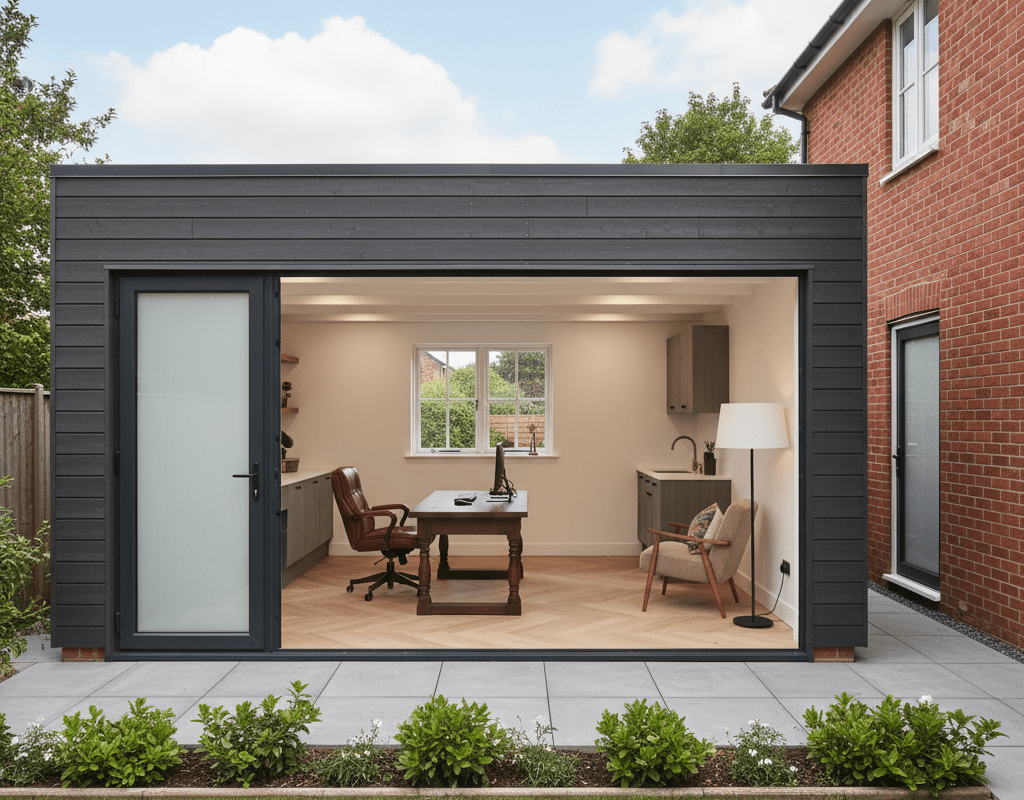


Bespoke Timber Joinery for Net Zero: The Future of UK Construction
As we navigate the 2026 UK construction landscape, achieving carbon neutrality is no longer optional for homeowners. Bespoke timber joinery for Net Zero represents the gold standard in sustainable development, combining aesthetic excellence with stringent environmental performance.
Under the latest Future Homes Standard, every element of a renovation must contribute to a thermal efficiency goal. High-performance timber remains the most effective natural carbon sink available to British builders today.
Why Timber is Essential for 2026 Net Zero Targets
Timber naturally sequesters carbon dioxide during its growth, making it the primary choice for low-impact builds. When you choose bespoke timber joinery for Net Zero, you are locking carbon into the fabric of your home for decades.
Unlike plastic or aluminium alternatives, wood requires significantly less energy to process. This reduction in manufacturing energy is vital for meeting the UK’s 2050 targets early.
Reducing Embodied Carbon in Furniture and Joinery
In 2026, the focus has shifted from operational energy to the embodied carbon in furniture and structural elements. Embodied carbon refers to the total greenhouse gas emissions generated during the extraction, transport, and manufacturing of materials.
By opting for locally sourced timber joinery, homeowners in London and the South East can drastically reduce their project’s carbon footprint. Transporting oak or larch from UK forests is far more sustainable than importing exotic hardwoods from overseas.
Benefits of Local Sourcing
- Drastic reduction in “timber miles” and associated transport emissions.
- Support for British forestry and traditional rural craftsmanship.
- Better acclimatisation of wood to the UK’s specific humidity levels.
- Full traceability through FSC and PEFC certification schemes.
High-Performance Sustainable Carpentry UK
Modern sustainable carpentry UK involves more than just selecting the right wood. It requires precision engineering to ensure airtightness and thermal bridging prevention in every installation.
Professional joiners now utilise advanced vacuum-insulated panels and bio-based resins to enhance timber performance. This is particularly relevant when integrating house extensions into existing period properties.
Bespoke Fitted Wardrobes with a Low Carbon Footprint
Internal storage solutions are often overlooked in the Net Zero conversation. However, bespoke fitted wardrobes crafted from FSC-certified birch plywood or reclaimed timber offer a sustainable alternative to mass-produced MDF.
Standard furniture often contains high levels of Volatile Organic Compounds (VOCs) and non-recyclable glues. Custom joinery allows for the use of natural waxes and water-based finishes that protect indoor air quality.
Checklist for Sustainable Internal Joinery
- Specify formaldehyde-free adhesives for all cabinetry.
- Request timber sourced from within a 100-mile radius where possible.
- Optimise designs to minimise offcut waste during the cutting process.
- Choose durable finishes that extend the lifecycle of the installation.
Integrating Joinery into Modern Loft Conversions
In urban centres like Manchester and Birmingham, space optimisation is key. Bespoke timber joinery for Net Zero is frequently used in loft conversions to create lightweight yet thermally efficient living spaces.
Timber’s high strength-to-weight ratio makes it ideal for structural reinforcements in older Victorian terraces. Using timber beams instead of steel can significantly lower the total carbon tally of a roof extension.
The Role of Smart Home Integration in Joinery
By 2026, bespoke joinery often hides complex smart home infrastructure. From automated thermal blinds to hidden heat recovery vents, timber provides the perfect housing for modern technology.
Integrating these systems into custom cabinetry ensures that energy-saving tech doesn’t clash with your interior design. Our specialists often incorporate these features into commercial fit-outs to boost BREEAM ratings for UK businesses.
Material Costs and the 2026 Economic Outlook
While material costs for premium timber have stabilised since the volatility of the early 2020s, quality remains a high-value investment. Bespoke timber joinery for Net Zero adds significant long-term value to UK properties due to its durability.
Homeowners are now prioritising longevity over cheap, disposable fixtures. A well-crafted timber staircase or window frame can last over 60 years with minimal maintenance.
Meeting Part O and Part L Building Regulations
Recent updates to Part O (Overheating) and Part L (Fuel and Power) have changed how joinery is designed. Timber frames are naturally non-conductive, helping to keep homes cool in summer and warm in winter.
This thermal mass is essential for passing building inspections in new-build extensions. Professional joiners now work closely with energy assessors to ensure every frame meets the required U-values.
The Aesthetic Appeal of Sustainable Timber
Beyond the environmental benefits, the natural grain and warmth of timber remain unmatched. Whether it is character-grade oak or sleek charred cedar (Shou Sugi Ban), timber creates a biophilic connection to nature.
This aesthetic flexibility allows bespoke joinery to fit seamlessly into both heritage restorations and minimalist modern designs. The tactile nature of wood improves the overall wellbeing of the home’s occupants.
Circular Economy in UK Joinery
The 2026 joinery market is heavily focused on the circular economy. This means designing joinery for deconstruction, allowing parts to be replaced or recycled at the end of their life.
Using mechanical fixings instead of permanent glues allows for easier repairs. This approach ensures that the embodied carbon in furniture remains productive for as long as possible.
Final Thoughts on Bespoke Timber Joinery for Net Zero
Investing in bespoke timber joinery for Net Zero is an investment in the future of our planet and your property. By focusing on locally sourced timber joinery and reducing embodied carbon, you create a healthier, more efficient home.
As we look towards 2030, these sustainable practices will become the mandatory standard for all UK construction. Starting your journey now ensures your home remains ahead of the curve in both value and performance.