

Sustainable Home Renovations UK 2026: The Future of Eco-Living
Embarking on Sustainable Home Renovations UK 2026 requires a deep understanding of evolving environmental standards and construction technology. As the UK pushes toward Net Zero, homeowners must balance aesthetic appeal with high-performance energy efficiency.
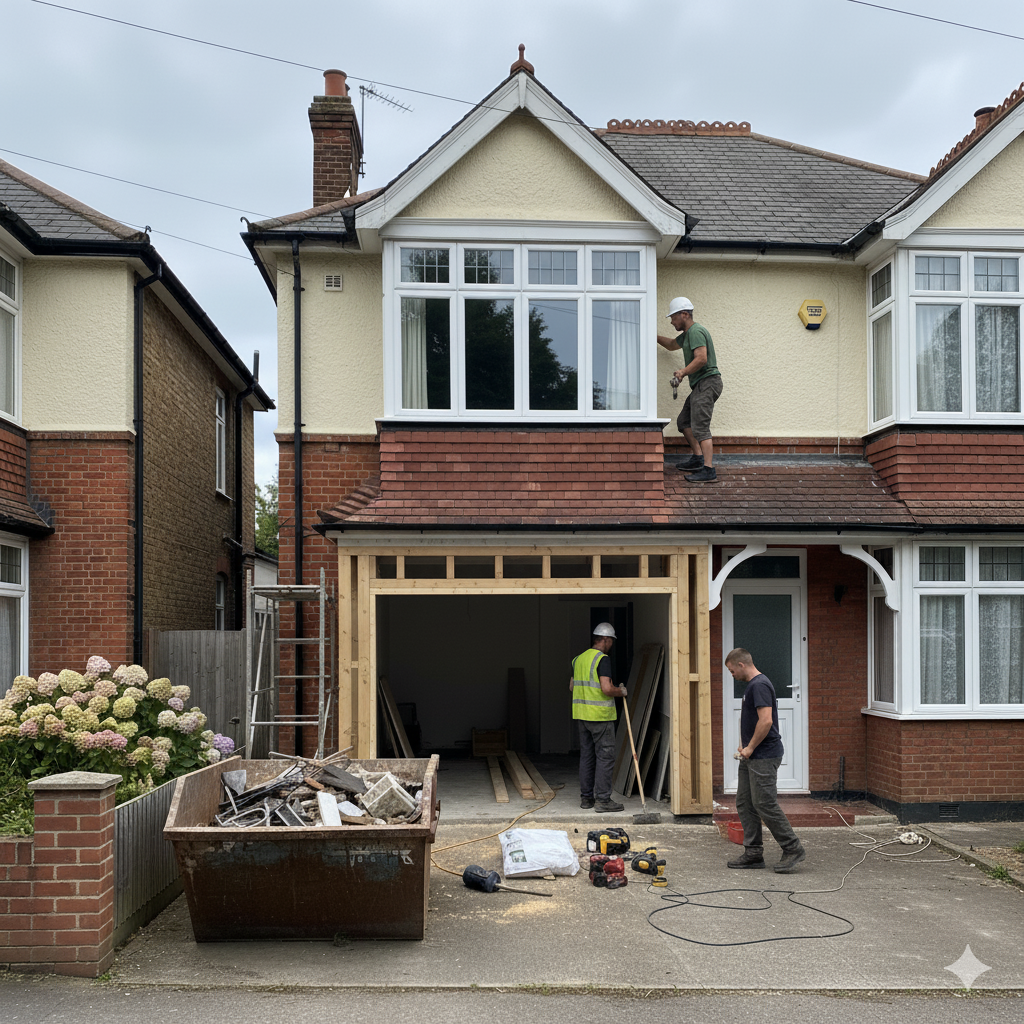
Today, modernising a British property is no longer just about aesthetics but about future-proofing your asset. Whether you are planning house extensions or a full remodel, sustainability is the primary driver of value.
The Rise of the Whole House Retrofit UK
A whole house retrofit UK strategy is now the gold standard for residential upgrades. This holistic approach ensures that every element of the building envelope works in harmony to reduce carbon footprints.
By addressing insulation, ventilation, and heating simultaneously, you avoid the common pitfalls of piecemeal renovations. This method significantly improves thermal comfort while drastically reducing long-term operational costs for homeowners.
Key Benefits of Retrofitting
* Drastic reduction in monthly energy bills through superior fabric performance.
* Significant increase in property resale value due to high EPC ratings.
* Enhanced indoor air quality via advanced mechanical ventilation systems.
* Future-proofing against rising carbon taxes and energy price volatility.
Understanding Part O Compliance Checklist
The 2026 building regulations have placed a massive emphasis on mitigating overheating in residential properties. Following a Part O compliance checklist is now mandatory for any significant renovation or extension project.
Architects must now prove that large glazed areas do not lead to solar gain that exceeds safe limits. This often requires the integration of external shading or specialist solar control glass in your design.
Essential Part O Requirements
- Detailed dynamic thermal modelling for all south-facing extensions.
- Installation of shutters or external louvres to block direct summer sun.
- Optimisation of window opening sizes to facilitate effective cross-ventilation.
- Selection of glazing with high G-values to limit heat transmission.
Heat Pump Installation 2026 Trends
In 2026, heat pump installation 2026 has become the primary heating solution for renovated UK homes. With the phase-out of gas boilers accelerating, air-source and ground-source systems are the new industry norm.
Modern units are now quieter and more efficient than ever, even in the coldest British winters. When planning basement conversions, ensuring there is space for internal plant equipment is a critical design consideration.
Why Choose Heat Pumps Now?
* Integration with smart home grids allows for automated demand-side response.
* Government grants have remained robust to support the transition from fossil fuels.
* New high-temperature models can now work effectively with existing radiator circuits.
* Minimal maintenance requirements compared to traditional combustion-based boilers.
Energy Performance Certificate Upgrades
Energy performance certificate upgrades are now a legal necessity for landlords and a priority for sellers. Moving a property from a Band D to a Band A or B is a transformative investment.
These upgrades often involve a combination of internal wall insulation and high-performance triple glazing. High-quality loft conversions also provide an excellent opportunity to enhance the thermal envelope of the roof.
Strategies for EPC Improvement
- Installing solar PV arrays combined with battery storage systems.
- Upgrading to LED smart lighting with motion sensors throughout the home.
- Replacing old timber windows with vacuum-insulated glazing units.
- Applying breathable lime-based renders to improve external wall insulation.
Sustainable Materials for 2026 Projects
The choice of materials is vital for ensuring your renovation meets the circular economy standards of 2026. From reclaimed London stock bricks to hempcrete, the focus is on low embodied carbon.
Using natural materials not only helps the planet but also creates a healthier living environment. Breathable structures prevent dampness and mould, which are common issues in older British housing stock.
Top Eco-Friendly Materials
* Cross-laminated timber (CLT) for structural frames and extensions.
* Recycled crushed glass for kitchen worktops and decorative surfaces.
* Sheep’s wool or wood fibre boards for high-performance insulation.
* Low-VOC paints and clay-based wall finishes for toxin-free interiors.
Smart Home Integration and Energy Monitoring
A sustainable renovation in 2026 is incomplete without a robust smart home infrastructure. This allows you to monitor energy consumption in real-time and adjust habits accordingly.
Smart thermostats and automated blind systems play a massive role in maintaining Part O compliance. These technologies ensure that your home remains comfortable without relying on energy-intensive air conditioning.
Smart Tech Must-Haves
- Home Energy Management Systems (HEMS) to track solar generation.
- Automated shading systems that react to external light intensity.
- Smart leak detection sensors to prevent water waste and structural damage.
- App-controlled lighting zones to eliminate unnecessary electricity usage.
Navigating the 2026 Planning Process
Planning permission for sustainable renovations has become more streamlined but also more technical. Local authorities now frequently require ‘Sustainability Statements’ before any work can commence on-site.
Working with experienced contractors who understand these new documents is essential for success. They can guide you through the complexities of biodiversity net gain and sustainable drainage requirements.
Tips for a Smooth Planning Application
* Engage with a heritage consultant if working on a listed building.
* Ensure your design prioritises the ‘Fabric First’ approach to energy.
* Include detailed plans for waste management during the construction phase.
* Highlight the use of local materials to reduce transportation emissions.
Financing Your Eco-Renovation
The cost of sustainable home renovations UK 2026 can be higher upfront, but the ROI is clear. Green mortgages and low-interest loans are now widely available for projects that meet strict efficiency targets.
By investing now, you protect your property against future energy price hikes. The long-term savings on maintenance and utility bills far outweigh the initial capital expenditure.
Financial Incentives in 2026
- Reduced VAT rates for certain energy-saving materials and installations.
- Local council tax rebates for homes achieving an EPC Band A rating.
- Feed-in tariffs for excess energy exported back to the national grid.
- Increased borrowing capacity from lenders for high-performance ‘Green’ homes.
Final Thoughts on 2026 Sustainable Building
Sustainable Home Renovations UK 2026 represent a shift toward responsible and luxury living. By focusing on whole house retrofit UK principles, you create a home that is both beautiful and ethical.
Stay ahead of the curve by prioritising Part O compliance and modern heating technologies. Your renovation is an investment in the future of the planet and your personal well-being.