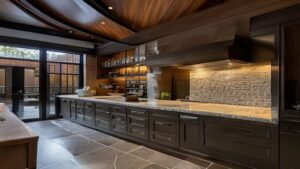
Maximising Value with Bespoke Joinery London Apartments in 2026
Investing in bespoke joinery London apartments has become the gold standard for homeowners seeking to blend luxury with high-density living functionality. As we navigate 2026, the demand for precision-engineered internal spaces has never been higher across the capital.
Custom carpentry London projects now focus on more than just aesthetics; they are essential for meeting the strict Part L building regulations regarding thermal performance. By choosing tailored solutions, you ensure every millimetre of your property contributes to both your lifestyle and the asset’s overall market valuation.
Why Bespoke Joinery London Apartments Command Premium Prices
In the current London property market, off-the-shelf furniture often fails to address the unique architectural quirks of Victorian conversions or modern high-rises. Bespoke joinery London apartments benefit from seamless integration that maximises floor area while providing a sleek, uncluttered finish.
Professional joinery allows for the clever use of alcoves, high ceilings, and awkward corners that standard furniture simply cannot fill. For those planning a full renovation, incorporating these elements alongside our house extensions ensures a cohesive design language throughout the home.
Innovative Hidden Storage Solutions UK for 2026
Modern urban living requires a minimalist approach to clutter, driving the trend for sophisticated hidden storage solutions UK. Architects are now prioritising ‘ghost’ wardrobes and under-stair systems that vanish into the wall when not in use.
* Pop-out shelving: Utilising magnetic touch-latches for a handle-less, clean aesthetic.
* Void utilisation: Converting ceiling cavities into motorised storage for seasonal items.
* Concealed laundry hubs: Hiding essential appliances within decorative panelling to maintain a luxury atmosphere.
These elements are particularly effective when paired with loft conversions, where space is at a premium but functionality is non-negotiable. Our team specialises in creating these discreet systems to enhance your daily living experience.
The Rise of Multifunctional Joinery Design
As hybrid working remains a staple of London life in 2026, multifunctional joinery design has transitioned from a luxury to a necessity. Homeowners are requesting units that can transform from a professional workstation into a sophisticated dining area or media centre.
By integrating these versatile pieces, you effectively increase the usable square footage of your apartment without the need for structural changes. This approach is highly recommended for clients looking at basement conversions where light and space must be managed carefully.
Integrated Tech Cabinetry and Smart Home Synergy
In 2026, the ‘Smart Home’ is no longer about standalone gadgets but rather fully integrated tech cabinetry. Modern joinery must now house invisible charging pads, recessed LED lighting, and climate-controlled server hubs.
* Wireless Charging Inlays: Solid timber or stone surfaces with embedded induction loops.
* Hidden Media Centres: Motorised lifts that reveal high-definition screens only when required.
* Automated Climate Control: Joinery designed with precise ventilation paths to prevent tech overheating.
This level of technical integration requires a deep understanding of both carpentry and electrical safety standards. Ensuring your cabinetry is ‘tech-ready’ future-proofs your investment against rapidly evolving consumer electronics.
Sustainable Materials and 2026 Building Regulations
Sustainability is at the heart of 2026 construction, with a focus on Net Zero materials and low-VOC finishes. We prioritise the use of FSC-certified hardwoods and recycled composite materials to reduce the carbon footprint of every project.
* British Oak and Ash: Sourced locally to minimize transport emissions and support UK forestry.
* Eco-friendly Resins: Using non-toxic glues that improve indoor air quality for residents.
* Net Zero Fabrication: Utilising solar-powered workshops for the manufacturing process.
Compliance with Part O regulations regarding overheating is also a factor, as joinery can be used to create internal shading and improve airflow. This holistic approach ensures your home remains comfortable and compliant year-round.
Choosing the Right Custom Carpentry London Partner
Selecting a contractor for your bespoke joinery London apartments requires a balance of artisanal skill and modern project management. You should look for firms that offer 3D CAD visualisations before any timber is cut.
Check for a portfolio that demonstrates experience in high-end London postcodes, from the historic streets of Chelsea to the modern skyline of Canary Wharf. High-quality joinery should be viewed as a permanent architectural feature rather than a temporary furnishing.
Cost Expectations for Bespoke Joinery in 2026
While costs vary based on material selection, a premium bespoke installation in London typically starts from £5,000 for a small library unit. Large-scale multifunctional wall installations can exceed £25,000 depending on the level of tech integration required.
Investing in quality now prevents the need for replacements in the future, aligning with the 2026 trend for ‘slow furniture’ and longevity. A well-executed joinery project can add up to 10% to the total value of a London apartment.
Final Design Checklist for Your Apartment
Before commissioning your bespoke project, ensure you have considered the following essential factors. This will help your carpenter deliver a result that meets both aesthetic and functional goals.
* Accessibility: Ensure all hidden compartments are easy to reach for all family members.
* Lighting: Plan for integrated task lighting within shelving units and wardrobes.
* Power points: Map out all electrical needs before the fabrication stage begins.
* Finish: Choose a durable lacquer or oil that can withstand the rigours of urban life.
By following these guidelines, your bespoke joinery will serve as a testament to British craftsmanship and modern design. Elevate your living space today by embracing the future of London residential architecture.