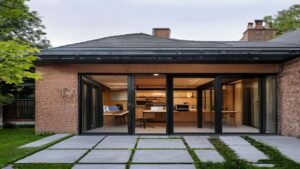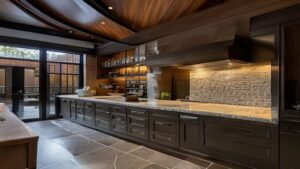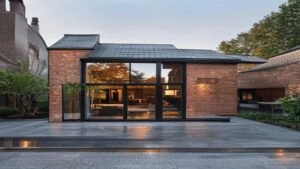
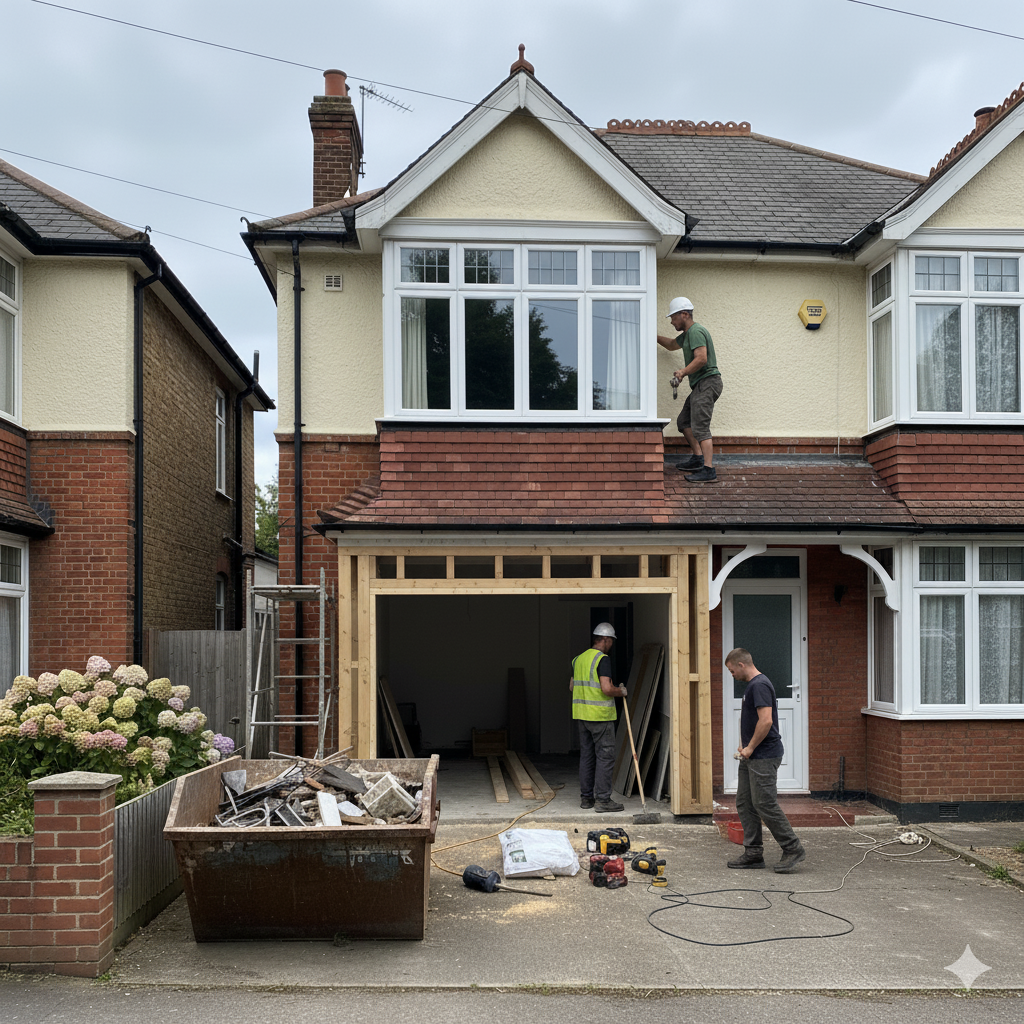


Luxury living in the capital has evolved beyond simple aesthetics to focus on intelligent functionality. Bespoke Joinery London Smart Storage is now the gold standard for homeowners seeking to maximise space while integrating the latest home automation.
In 2026, the demand for high-performance living environments has never been higher. Our team at In-Hire understands that modern London properties require more than just shelves; they require smart ecosystems.
Why Bespoke Joinery London Smart Storage is Essential in 2026
The shift towards hybrid working and compact luxury has redefined how we use our floor plans. Traditional furniture often fails to address the unique architectural quirks of Victorian terraces or modern apartments.
Custom solutions allow for the seamless integration of technology within handcrafted timber frames. By choosing bespoke joinery London smart storage, you ensure every millimetre of your property is utilised efficiently.
Integrated Technology Furniture: The New Standard
Modern cabinetry is no longer just about wood; it is about connectivity. Integrated technology furniture now includes built-in wireless charging surfaces and concealed cable management systems.
We are seeing a massive surge in demand for media units that feature automated lift mechanisms for screens. This allows for a minimalist aesthetic when the technology is not in use.
- Automated Lighting: Internal LEDs that sync with your circadian rhythm.
- Climate Control: Integrated vents that allow electronics to breathe without visible grilles.
- Voice Activation: Cabinetry that opens via voice command for a hands-free experience.
- Wireless Hubs: Built-in signal boosters hidden within the timber framework.
These features are particularly popular in our house extensions where open-plan living requires clever zoning.
Hidden Storage Joinery London: Aesthetics Meets Utility
Maintaining a clutter-free environment is the primary goal for most London renovators. Hidden storage joinery London specialists are now using push-to-open technology and invisible hinges to create seamless walls of wood.
These installations often double as acoustic panelling to improve the sound quality of the room. By using high-density materials, we can create quiet zones within busy households.
Creative Hidden Storage Ideas
- Under-Stair Tech Hubs: Converting dead space into server rooms or charging stations.
- Plinth Drawers: Using the space beneath kitchen cabinets for flat-item storage.
- Pocket Door Pantries: Closing off entire kitchen workstations with a single touch.
- Floating Credenzas: Creating the illusion of space while providing deep storage for peripherals.
Our loft conversions frequently utilise these techniques to overcome awkward eaves and low ceilings.
Custom Woodcraft Smart Homes and Sustainability
In 2026, sustainability is at the heart of every construction project in the UK. Custom woodcraft smart homes prioritise FSC-certified hardwoods and low-VOC finishes to ensure internal air quality.
We use reclaimed London plane wood and English oak to create pieces that tell a story. These materials are paired with smart sensors that monitor humidity levels to protect the wood from warping.
- Carbon Neutrality: Choosing locally sourced timber reduces the transport footprint.
- Longevity: Handcrafted joinery lasts decades longer than mass-produced alternatives.
- Modularity: Designing pieces that can be updated as technology evolves.
- Energy Efficiency: Insulated cabinetry that helps maintain thermal mass in older buildings.
Bespoke Wardrobes with AI: The Ultimate Luxury
The bedroom has seen the most significant tech revolution with the introduction of bespoke wardrobes with AI. These systems can track your inventory and suggest outfits based on your digital calendar and local weather.
Internal sensors can even monitor for moths or humidity spikes that might damage luxury fabrics. This level of care is essential for high-end London residences where wardrobe investments are significant.
AI Wardrobe Features for 2026
- Digital Inventory: RFID tags track every item within your collection.
- Automated Steaming: Built-in refreshening cycles to keep clothes crisp.
- Smart Mirrors: Integrated displays that show your daily schedule while you dress.
- Weight-Sensing Shelves: Notifying you when items have been removed or moved.
Integrating these systems requires precise coordination with our home renovation experts to ensure electrical infrastructure is correctly placed.
Complying with 2026 Building Regulations
The 2026 updates to Part L and Part O of the Building Regulations focus heavily on thermal efficiency and overheating. Bespoke joinery plays a crucial role in meeting these standards.
For example, integrated window seating can house advanced ventilation systems that pull cool air into the room. This reduces the need for energy-intensive air conditioning units during London’s increasingly warm summers.
Costs and Timelines for Bespoke Projects
While bespoke joinery London smart storage is a premium investment, it adds significant value to your property. In 2026, expect to pay between £3,500 and £8,000 per linear metre for high-spec integrated units.
Timelines usually range from 8 to 12 weeks from initial design to final installation. This allows for the precision engineering required for smart home components.
- Design Phase: 2 weeks for CAD drawings and tech integration planning.
- Fabrication: 6 weeks of off-site manufacturing in a controlled environment.
- Installation: 1 to 2 weeks of on-site fitting and system calibration.
Selecting the Right Joinery Partner
When looking for a specialist, ensure they have experience with both traditional carpentry and modern electronics. The integration of 2026 technology requires a multi-disciplinary approach.
Ask for case studies involving high-end London stock brick properties or heritage buildings. Our team is well-versed in navigating the complexities of London construction and planning permissions.
Checklist for Your Joinery Project
- [ ] Have you accounted for power supply and data cabling?
- [ ] Does the design allow for future tech upgrades?
- [ ] Are the materials sustainably sourced and VOC-compliant?
- [ ] Does the installer understand Part L thermal requirements?
- [ ] Is there a warranty for both the woodwork and the integrated tech?