

Optimising your property starts with understanding Internal Partitioning Thermal Efficiency to meet modern Net Zero standards. As UK energy costs remain volatile in 2026, homeowners are increasingly looking for ways to trap heat effectively.
Internal walls are no longer just structural dividers between rooms. They have evolved into critical components of a home’s thermal envelope and energy management system.
Why Internal Partitioning Thermal Efficiency Matters Now
The 2026 landscape of UK construction is dominated by the Future Homes Standard and stricter carbon reduction goals. Achieving high Internal Partitioning Thermal Efficiency ensures that your heating system works less to maintain comfort.
By compartmentalising heat, you can reduce energy waste in rooms that are rarely used. This targeted heating approach is essential for modern house extensions that feature large open-plan zones.
The Role of Part L Insulation Wall Lining
Building Regulations have seen significant updates regarding Part L insulation wall lining requirements recently. These regulations now demand lower U-values for all internal modifications to prevent thermal bridging between different zones.
Installing high-performance lining ensures your property remains compliant with the latest UK building safety and energy laws. This is particularly vital when converting cold spaces like garages or lofts into habitable, warm living areas.
Key Benefits of Part L Compliance
* Significant reduction in annual heating bills across the winter months.
* Enhanced EPC ratings which directly increase the market value of UK properties.
* Improved damp prevention through better moisture control and thermal consistency.
Energy Saving Internal Walls: Material Choices
Creating energy saving internal walls requires a combination of high-density materials and advanced insulating layers. In 2026, we see a shift toward hybrid walls that combine structural integrity with superior thermal retention.
Materials like aerated concrete blocks and vacuum insulation panels are becoming the industry standard for high-end builds. These materials provide a slim profile while offering the insulation power of much thicker traditional walls.
Top Materials for 2026
- Vacuum Insulation Panels (VIPs) for maximum space-saving performance.
- Recycled cellulose batts for eco-conscious homeowners targeting Net Zero.
- High-density PIR boards integrated into timber frame partitions.
Thermal Dry Lining Boards: A Quick Win
For those retrofitting existing properties, thermal dry lining boards offer the most cost-effective solution for heat retention. These boards combine a plasterboard face with a high-performance insulation backing in one single application.
They are ideal for loft conversions where every millimetre of floor space counts. By applying these to external-facing internal walls, you create a robust thermal break that stops cold spots immediately.
Acoustic Office Partitioning and Thermal Control
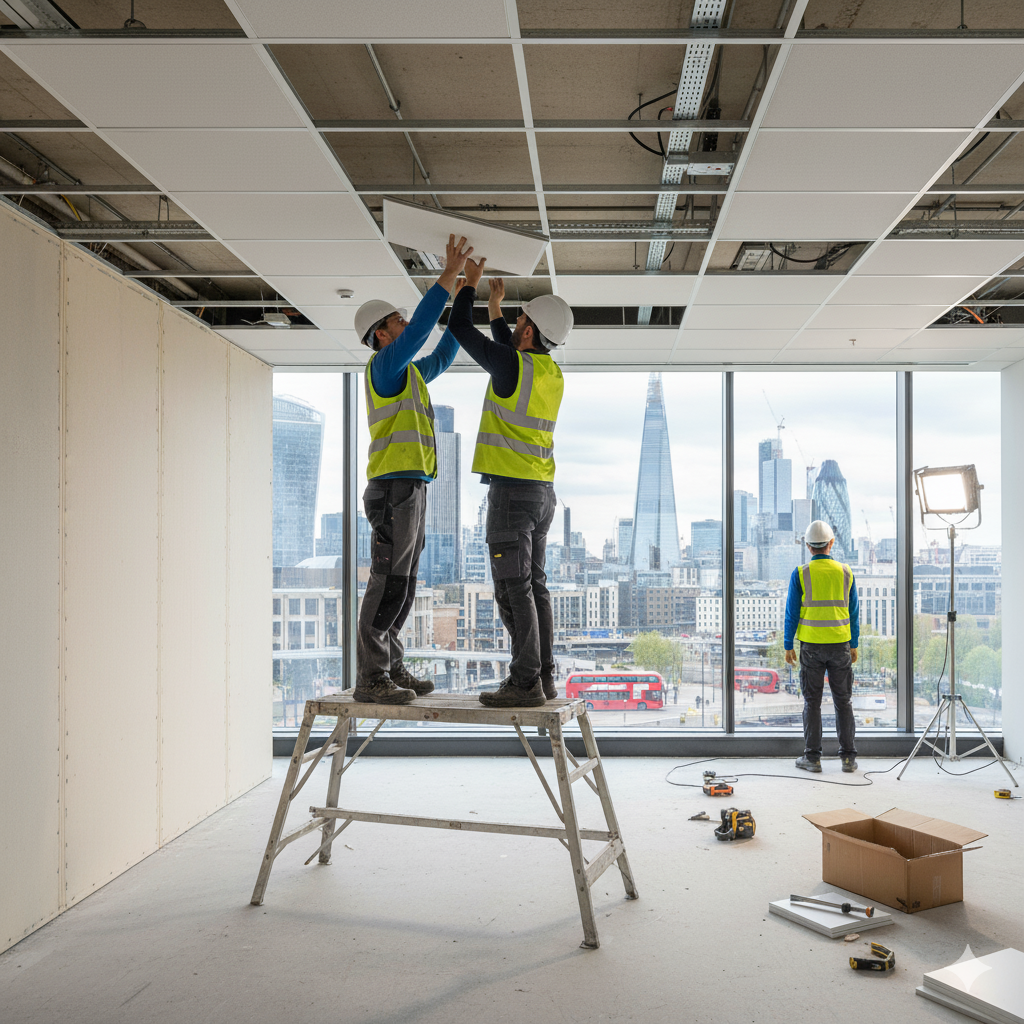
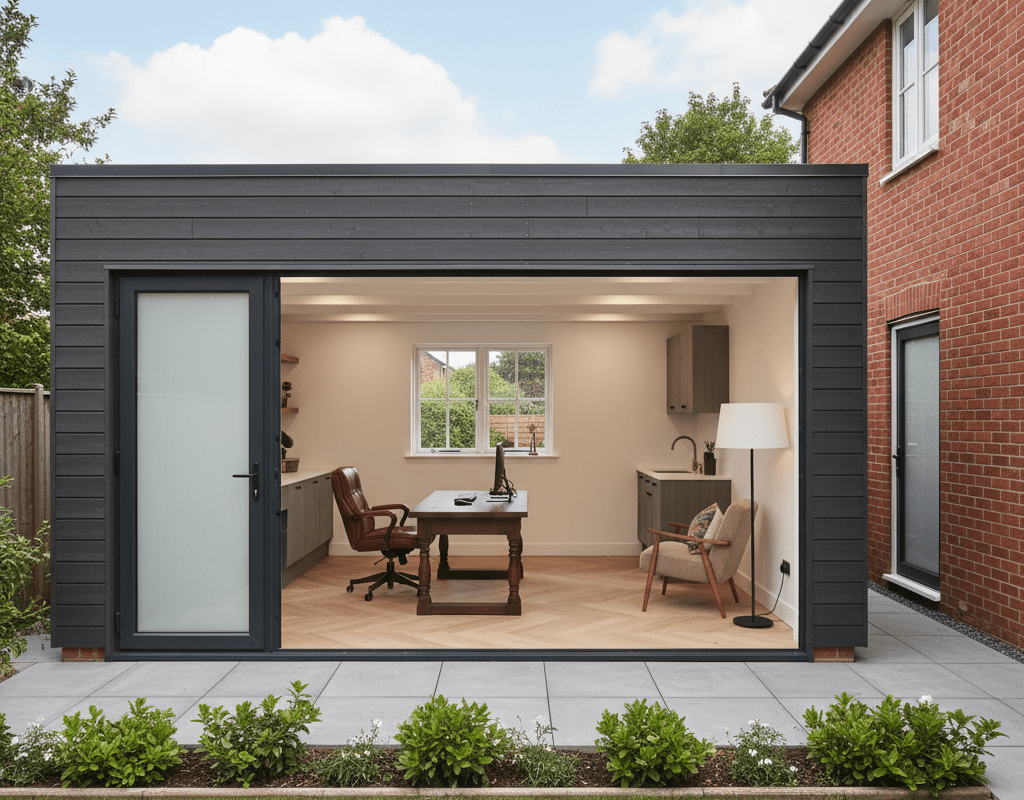
With the continued rise of remote working in 2026, acoustic office partitioning has become a priority for UK professionals. However, acoustic density often goes hand-in-hand with thermal mass, providing a dual benefit for your home office.
Heavy-duty acoustic glass or mineral wool filled partitions keep the noise out while keeping the heat in. This creates a focused, comfortable environment that doesn’t rely on expensive portable heaters during the day.
Features of Modern Acoustic Partitions
* Multi-layered glass systems with inert gas fills for thermal breaks.
* Mineral wool infills that offer fire resistance and sound dampening.
* Airtight seals around frames to prevent draughts and heat leakage.
Smart Home Integration with Internal Walls
In 2026, internal walls are becoming ‘smart’ by incorporating radiant heating foils directly behind the plaster. These systems work perfectly with high Internal Partitioning Thermal Efficiency setups to provide gentle, even warmth.
Integrating these with a central smart hub allows you to control the temperature of every room independently. This level of precision ensures you are never paying to heat an empty hallway or storage room.
The Installation Process for Thermal Partitions
Achieving the best results requires a professional approach to installation to avoid the common pitfall of thermal bridging. Our basement conversions experts recommend a meticulous sealing process for all partition joints.
- Site survey to identify existing cold spots and moisture levels.
- Selection of appropriate R-value materials based on room usage.
- Precision cutting of insulation to ensure zero gaps between studs.
- Application of vapour control layers to prevent interstitial condensation.
- Finishing with high-quality plaster and breathable thermal paints.
Cost vs Value in 2026 UK Construction
While the upfront cost of energy saving internal walls has risen, the return on investment is faster than ever. Current energy price forecasts suggest that thermal upgrades pay for themselves within four to six years.
Furthermore, the UK’s ‘Green Home’ tax incentives in 2026 provide additional relief for those installing certified Part L insulation wall lining. Investing in quality now prevents the need for expensive remedial work as regulations tighten further by 2030.
Estimated Costs per Square Metre
* Standard timber partition with mineral wool: £45 – £60.
* High-performance thermal dry lining: £75 – £110.
* Smart-integrated acoustic partitioning: £150+.
Conclusion: Future-Proofing Your Property
Mastering Internal Partitioning Thermal Efficiency is the smartest move a UK homeowner can make this year. By choosing the right materials and following Part L standards, you create a sustainable, warm, and valuable asset.
Whether you are planning a new extension or a simple room renovation, prioritise your thermal envelope. Contact the experts today to ensure your next project meets the highest standards of 2026 construction technology.