

Sustainable Building Materials UK 2026: A Definitive Guide for Developers
Navigating the landscape of sustainable building materials UK 2026 is now a primary requirement for every modern developer and homeowner. With the UK Government’s stringent Net Zero targets and the 2025 Future Homes Standard fully embedded, choosing the right components is no longer optional.
Selecting eco-friendly materials is critical for complying with the latest Part L building regulation updates. These choices directly impact your project’s carbon footprint and long-term thermal efficiency.
The Rise of Low-Carbon Concrete Alternatives
Traditional cement production remains one of the largest global emitters of CO2. In 2026, the shift towards low-carbon concrete alternatives has accelerated across London and Manchester construction sites.
Innovative mixtures using ground granulated blast-furnace slag (GGBS) or fly ash are now standard practice. These materials significantly reduce the embodied carbon of structural foundations and slabs.
Why Switch to Green Concrete?
* Reduced Carbon Footprint: Achieves up to an 80% reduction in CO2 emissions compared to Portland cement.
* Enhanced Durability: Provides superior resistance to chemical attacks and chloride ingress.
* Regulation Compliance: Helps projects meet the strict embodied carbon limits required for 2026 planning approvals.
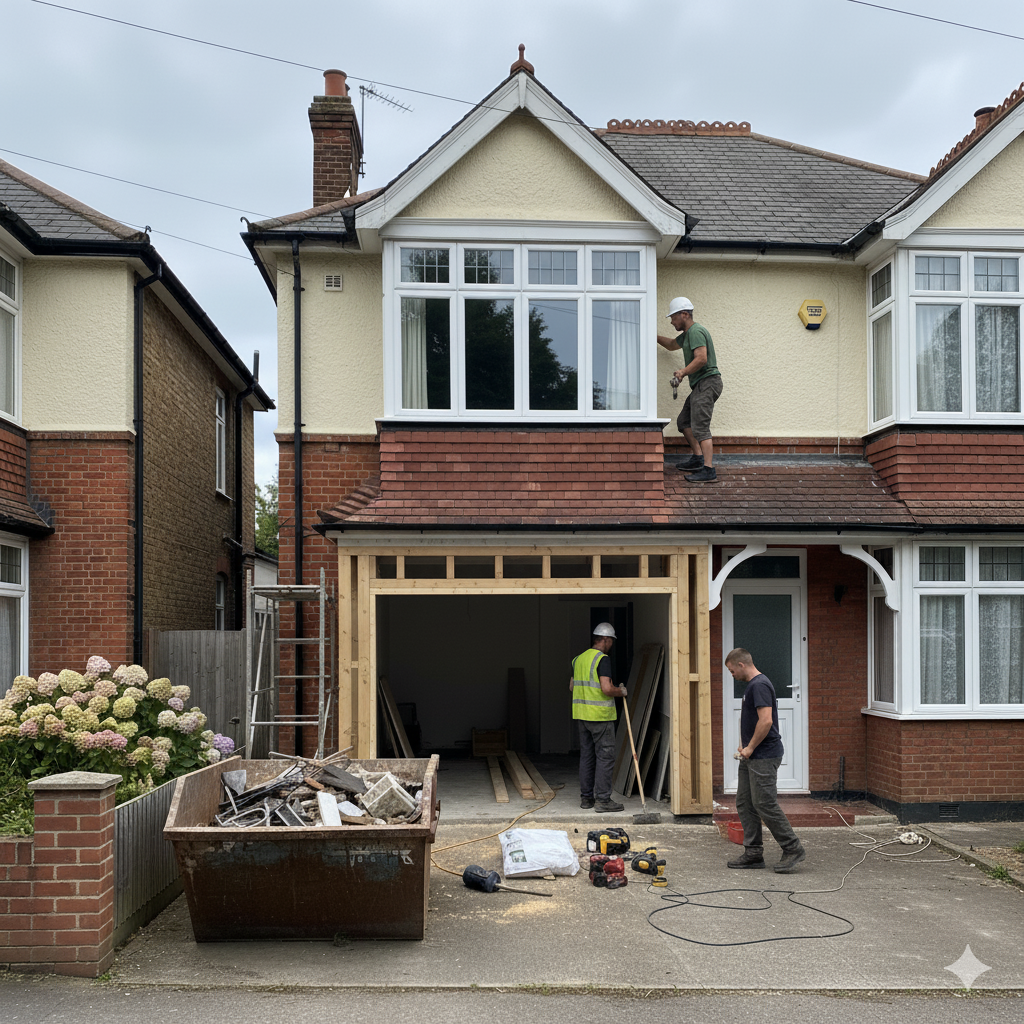
If you are planning a structural overhaul, explore our house extensions page to see how we integrate these materials. We prioritise structural integrity while meeting modern green standards.
Maximising Efficiency with Recycled Timber UK
Timber remains a cornerstone of sustainable construction due to its natural carbon sequestration properties. However, the focus in 2026 has shifted heavily towards high-quality recycled timber UK sourcing.
Using reclaimed wood reduces the demand for virgin timber and prevents waste from entering landfills. It is an ideal solution for internal flooring, structural beams, and decorative cladding in Cotswold heritage renovations.
Key Benefits of Reclaimed Timber
For those undertaking vertical expansions, our loft conversions frequently utilise these sustainable timber solutions. This ensures your new space is both beautiful and environmentally responsible.
Exploring Hempcrete Construction Benefits
One of the most exciting developments in sustainable building materials UK 2026 is the mainstream adoption of hempcrete. This bio-composite material made from the inner shiv of the hemp plant is revolutionising thermal envelopes.
Understanding hempcrete construction benefits is essential for any high-performance build. It provides a unique combination of insulation and thermal mass, creating a breathable living environment.
Performance Advantages of Hempcrete
* Negative Carbon Footprint: Hemp absorbs more carbon during growth than is emitted during its processing and installation.
* Natural Humidity Regulation: The material is vapour-permeable, which prevents dampness and mould growth naturally.
* Excellent Fire Resistance: Despite being plant-based, hempcrete provides high levels of fire safety without toxic additives.
Smart Integration and Part O Compliance
Sustainable building materials UK 2026 must also address the risks of overheating. Modern UK homes are now built with high-performance glazing and smart shading systems to satisfy Part O regulations.
Using phase-change materials (PCMs) within internal walls can help regulate temperature peaks during summer months. This technology absorbs excess heat and releases it when the building cools down at night.
Smart Home Energy Management
If you are modernising your property, our home renovations team can help you select the best smart systems. We ensure your upgrades align with the latest 2026 sustainability trends.
Modular and Prefabricated Green Solutions
In 2026, the speed of construction is just as important as the materials used. Prefabricated modular extensions are leading the way in reducing site waste and improving precision.
These modules are built in controlled factory environments using sustainable building materials UK 2026. This process ensures that airtightness levels are far superior to traditional on-site construction methods.
Advantages of Modular Construction
* Reduced Site Disturbance: Faster installation times mean less noise and disruption for neighbours in urban areas like Birmingham.
* Precision Engineering: Digital manufacturing reduces material waste to nearly zero.
* High Thermal Performance: Factory-fitted insulation ensures no gaps in the building envelope, reducing energy bills.
The Cost of Sustainability in 2026
While the initial investment in sustainable building materials UK 2026 can be higher, the long-term savings are substantial. Reduced energy consumption and lower maintenance costs provide a strong return on investment.
Government grants and green mortgages are also more accessible for projects that exceed standard building regulations. Always consult with a qualified surveyor to understand the capital gains of eco-friendly upgrades.
Cost-Saving Tips for Green Builds
Conclusion: Building for the Future
Embracing sustainable building materials UK 2026 is the only way to future-proof your property investment. From low-carbon concrete alternatives to the incredible hempcrete construction benefits, the options are more diverse than ever.
By prioritising these materials, you contribute to a greener UK while creating a healthier, more efficient home for your family. The shift towards Net Zero is well underway, and your next project is the perfect opportunity to lead the charge.