
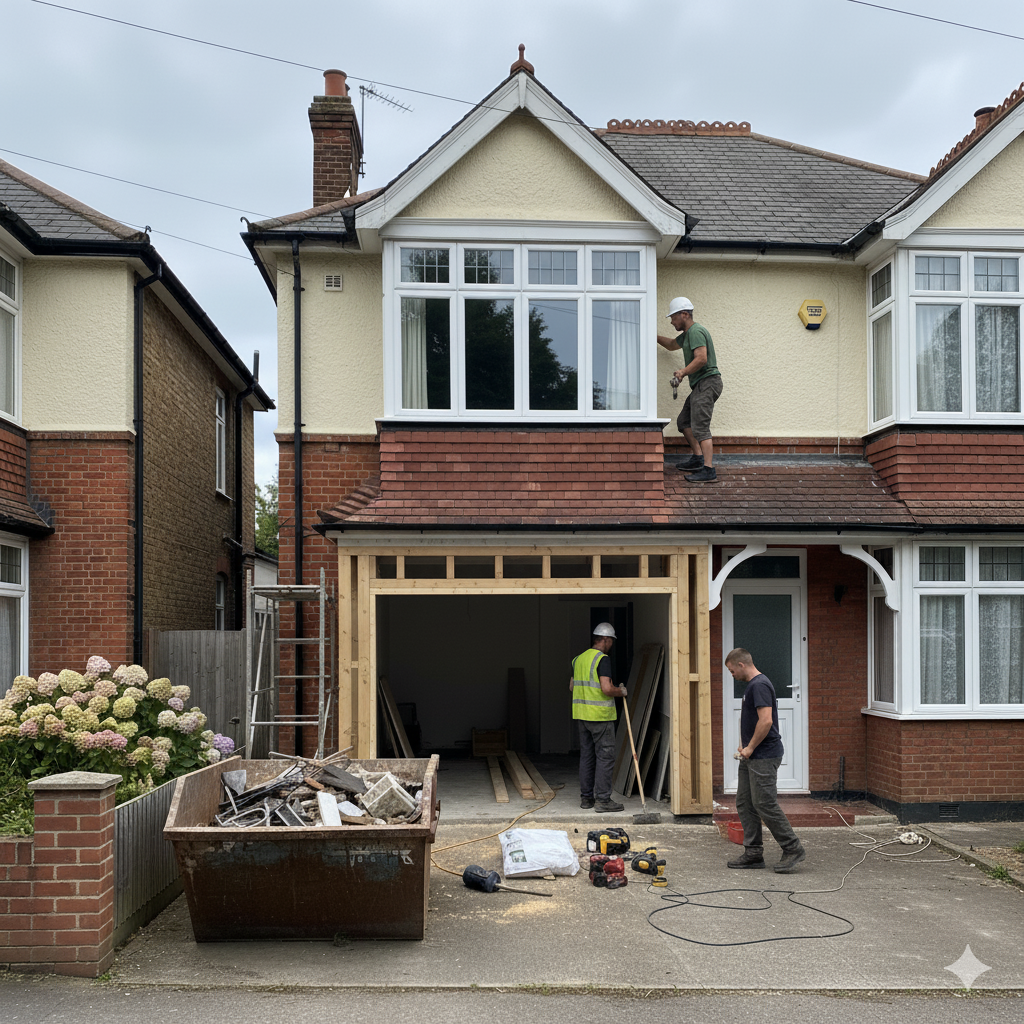




Retrofitting for Energy Efficiency UK: The 2026 Masterclass
Retrofitting for energy efficiency UK has become the gold standard for homeowners seeking to future-proof their properties against rising energy costs. In 2026, the intersection of smart technology and sustainable building materials is redefining how we approach home renovations.
Achieving a Net-Zero home is no longer a luxury but a necessity under updated UK building regulations. This guide explores the most effective strategies to transform your property into a high-performance living space.
The Strategic Importance of EPC Rating Improvement
An EPC rating improvement is the first step toward increasing your property’s market value in today’s green-conscious market. Properties with higher efficiency ratings now command a significant premium in cities like London and Manchester.
By 2026, the government has introduced stricter mandates for rental properties and resale homes regarding thermal performance. Enhancing your home’s envelope is the most reliable way to secure these vital certifications.
Benefits of Modern Retrofitting
* Significant Cost Savings: Reduce annual energy bills by up to 60% through thermal optimization.
* Enhanced Comfort: Eliminate cold spots and draughts common in traditional UK masonry.
* Environmental Impact: Drastically lower your carbon footprint to meet 2030 targets.
* Acoustic Insulation: Modern materials provide superior soundproofing against urban noise.
External Wall Insulation UK: Securing the Building Envelope
Implementing external wall insulation UK is often the most impactful intervention for solid-wall properties. This process involves wrapping the exterior of the home in high-performance insulating boards and finishing with a weatherproof render.
In 2026, we utilize advanced aerogel and bio-based insulation materials that offer slimmer profiles. These innovations allow for maximum thermal retention without compromising the architectural character of Victorian or Georgian facades.
Key Installation Considerations
Air Source Heat Pump Installation: The Heating Revolution
The shift away from gas boilers is nearly complete, making air source heat pump installation the primary choice for 2026 heating. These systems extract ambient heat from the outside air, even in freezing UK temperatures, to provide consistent warmth.
Modern heat pumps are now fully integrated with smart home AI that predicts weather patterns. This allows the system to pre-heat your home during off-peak electricity hours, further reducing operational costs.
Why Switch to Heat Pumps in 2026?
* Efficiency Ratios: Modern units deliver 3 to 4 units of heat for every 1 unit of electricity used.
* Low Maintenance: Unlike combustion-based boilers, heat pumps require minimal annual servicing.
* Cooling Capabilities: Many new systems provide energy-efficient cooling during increasingly hot UK summers.
* Government Grants: Access to the latest Boiler Upgrade Scheme incentives which remain active in 2026.
Smart Technology and Part O Compliance
Retrofitting for energy efficiency UK now requires strict adherence to Part O of the building regulations. This regulation focuses on preventing overheating in highly insulated, airtight homes through passive cooling strategies.
Automated external shading and smart ventilation systems are essential components of a 2026 retrofit. These systems work in tandem with your insulation to maintain a steady, healthy indoor climate throughout the year.
Essential Smart Retrofit Components
* Heat Recovery Ventilation (MVHR): Constantly circulates fresh air while retaining 90% of internal heat.
* Dynamic Glazing: Windows that automatically tint or shade based on solar intensity.
* Energy Dashboards: Real-time monitoring of solar PV generation and battery storage levels.
* Smart Thermostatic Valves: Room-by-room temperature control via unified home automation hubs.
Financial Planning for Your 2026 Retrofit
Investing in retrofitting requires a clear understanding of the initial capital expenditure versus long-term ROI. In 2026, many UK banks offer ‘Green Mortgages’ with preferential rates for properties hitting EPC A or B ratings.
Phasing your project can make the transition more manageable for larger period properties. Starting with the building envelope before moving to mechanical systems ensures your new heating plant is correctly sized for a thermal-efficient home.
Typical 2026 Retrofit Cost Estimates
The Role of Professional Project Management
Successful retrofitting for energy efficiency UK demands a coordinated approach between various trades. Hiring a specialist contractor ensures that insulation, airtightness, and heating systems are perfectly synchronized for maximum performance.
At In-Hire, we specialise in managing complex renovations that bridge the gap between traditional UK architecture and futuristic efficiency. Our team ensures every detail, from thermal bridging to airtightness seals, meets the highest industry standards.
Checklist for Your Retrofit Journey
* Initial Assessment: Conduct a deep-dive thermal imaging survey and air-leakage test.
* Design Phase: Work with architects to integrate insulation without losing internal floor space.
* Contractor Selection: Choose certified installers with specific expertise in high-performance materials.
* Quality Control: Ensure rigorous on-site testing during the construction phase to avoid performance gaps.
* Certification: Secure your updated EPC and Net-Zero certificates upon completion of the works.