



Navigating Permitted Development Rights 2026: A Definitive Guide
Understanding the landscape of permitted development rights 2026 is essential for homeowners looking to add value without the traditional planning headache. This year, the UK government has further relaxed restrictions to encourage Net Zero living and urban densification.
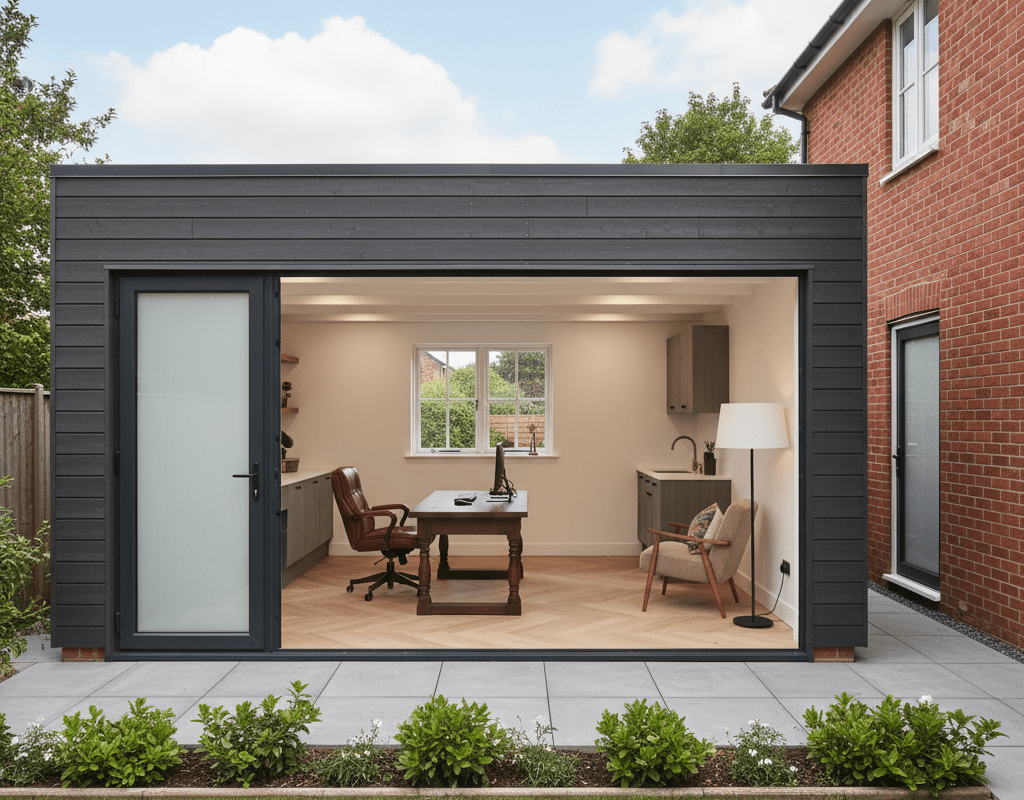
Whether you are planning a modern kitchen expansion or an additional storey, knowing these rules saves time and money. Our expert team at In-Hire helps you navigate these complexities while ensuring full compliance with current building regulations.
What Are Permitted Development Rights in 2026?
Permitted development (PD) rights are a national grant of planning permission which allows certain building works to be carried out without a full application. In 2026, these rights have been expanded to support the UK’s commitment to sustainable urban growth.
These rights apply to various projects, ranging from simple internal alterations to significant external additions. However, specific limitations regarding height, volume, and materials still apply to maintain local architectural integrity.
The Impact of 2026 Legislative Updates
The 2026 updates prioritise ‘Green PD,’ allowing for easier integration of heat pumps and solar arrays. There is also a renewed focus on the upward extension law which facilitates vertical growth in high-density areas.
Class A Extensions: The Gold Standard for Homeowners
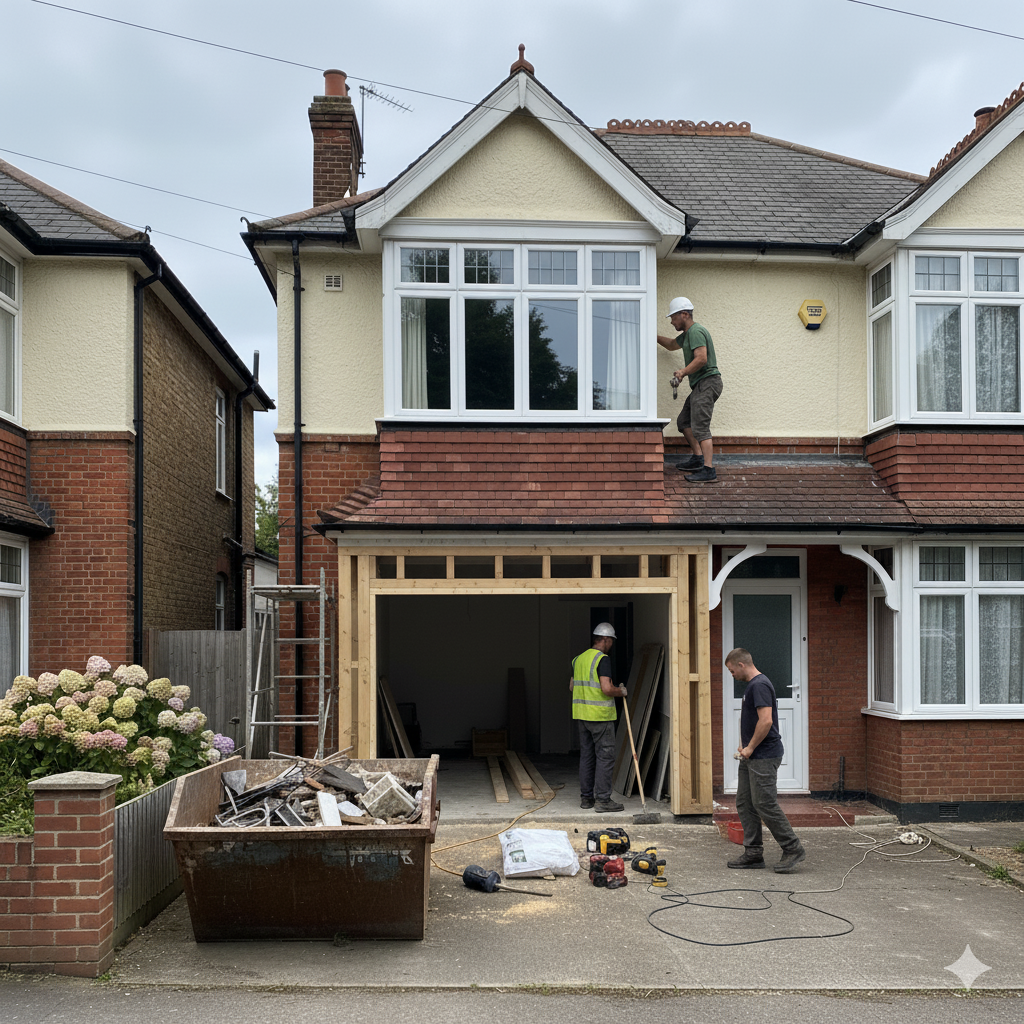
Under the current framework, Class A extensions remain the most popular route for enlarging a residential dwelling. This category covers the enlargement, improvement, or other alteration of a dwellinghouse.
To qualify, the extension must not exceed 50% of the total area of land around the original house. This includes any outbuildings or previous extensions added since 1948.
Key Limits for Class A Projects
If your project falls outside these strict parameters, you may still be able to proceed via planning permission London or your local authority. Professional guidance is vital to avoid enforcement action later.
The Upward Extension Law and Vertical Living
The upward extension law has become a cornerstone of the UK’s 2026 housing strategy. It allows homeowners to add up to two additional storeys to certain types of detached, semi-detached, and terraced houses.
This is particularly beneficial in space-constrained cities where lateral expansion is impossible. The goal is to maximise existing footprints while preserving green spaces.
Requirements for Vertical Expansion
Understanding the Prior Approval Process
Even when a project falls under permitted development rights 2026, you may still need to navigate the prior approval process. This is a lighter touch than full planning permission but requires formal notification to the local council.
This process allows the council to consider the impacts of the development on transport, highways, and the amenity of neighbouring properties. It specifically looks at factors like ‘overshadowing’ and ‘privacy’ for nearby residents.
Steps for Prior Approval Success
London-Specific Planning Constraints
If you are seeking planning permission London, be aware that many boroughs have ‘Article 4 Directions’ in place. These directions can withdraw or restrict certain permitted development rights in conservation areas or specific streets.
London’s unique architectural heritage means that even under 2026 rules, site-specific limitations are common. Always check the local register before committing to a major structural renovation.
2026 Construction Trends and Costs
In 2026, the focus has shifted towards prefabricated modular components and low-carbon materials. Using ‘Bio-bricks’ or reclaimed London stock brick is now an industry standard for high-end extensions.
Average costs for a high-quality extension now range between £3,500 and £5,000 per square metre. These prices reflect the increased cost of sustainable materials and the requirement for smart-home integration.
2026 Material Checklist
Essential Checklist for 2026 Development
Before starting any work on your property, ensure you have ticked off the following critical steps. This will protect your investment and ensure your home remains legally compliant for future resale.
Conclusion
Mastering permitted development rights 2026 is the fastest route to transforming your home in the UK. By leveraging Class A extensions and the upward extension law, you can bypass the lengthy traditional planning route.
However, the prior approval process and local restrictions like those in London require a strategic approach. For professional assistance with your next build, explore our full range of construction services.