


Defining the future of high-end property in 2026 requires a delicate balance of heritage and innovation. Eco-luxury renovations in the Cotswolds have evolved into a sophisticated blend of carbon-neutral technology and timeless aesthetics.
Homeowners now demand high-performance living spaces that respect the Area of Outstanding Natural Beauty while meeting 2026 Net Zero standards. This guide explores how to achieve a world-class finish using sustainable practices and advanced British engineering.
The Shift Towards Sustainable Heritage Restoration
Modern luxury is no longer just about expensive finishes; it is about the long-term viability of the structure. Sustainable heritage restoration focuses on preserving the honey-coloured Cotswold stone while integrating invisible, high-efficiency upgrades.
Traditional buildings often suffer from poor thermal performance and moisture issues. By using breathable, lime-based insulations and natural hempcrete, we can protect the fabric of the building while drastically reducing its carbon footprint.
Key Benefits of Heritage-First Sustainability
* Preservation of Value: Maintaining original features using traditional methods ensures the property retains its historic premium.
* Enhanced Breathability: Natural materials prevent the damp issues often caused by modern synthetic alternatives.
* Future-Proofing: Compliance with 2026 Building Regulations Part L ensures your home meets stringent energy efficiency targets.
Advanced Glazing: Triple Glazed Sash Windows
In 2026, the standard for luxury thermal performance is the installation of bespoke triple glazed sash windows. These units provide the classic aesthetic required by planning authorities while offering acoustic insulation and thermal retention equivalent to modern new-builds.
Low-E coatings and krypton-filled gaps allow these windows to achieve U-values as low as 0.8 W/m²K. This ensures your Cotswold manor remains warm in winter and cool during increasingly frequent summer heatwaves.
Why Triple Glazing is Essential in 2026
- Acoustic Privacy: High-performance glass significantly reduces external noise from local tourism and traffic.
- Solar Gain Management: Advanced coatings prevent overheating during the summer months while capturing winter warmth.
- Security: Toughened triple-pane layers provide an additional deterrent against forced entry.
Decarbonising Heat: Ground Source Heat Pumps UK
With the 2025 ban on new gas boiler installations now firmly in the past, ground source heat pumps in the UK have become the gold standard for Cotswold estates. These systems utilise the stable temperature of the earth to provide consistent, low-carbon underfloor heating.
Large Cotswold plots are ideal for horizontal ground loops, which extract thermal energy with minimal disruption to the landscape. This technology integrates perfectly with smart home automation to provide zoned climate control in every room.
Implementation Requirements for Heat Pumps
* Land Availability: Horizontal collectors require significant garden space, while vertical boreholes are suited for tighter plots.
* System Integration: Heat pumps perform best when paired with high-thermal-mass flooring like locally sourced limestone.
* Efficiency Gains: Modern units in 2026 can achieve a Coefficient of Performance (COP) of 4.5 or higher.
Biophilic Interior Design: Bringing the Cotswolds Inside
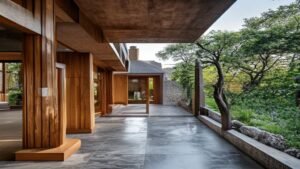
Luxury in 2026 is deeply rooted in the concept of wellness through biophilic interior design. This approach creates a physical connection between the occupant and the surrounding Gloucestershire landscape using natural light and organic textures.
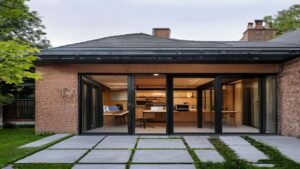
Large-scale Crittall-style doors and internal living walls are frequently used to blur the lines between interior and exterior. This philosophy reduces stress levels and improves air quality by incorporating air-purifying plant species into the architectural fabric.
2026 Biophilic Design Trends
* Reclaimed Materials: Using salvaged Cotswold stone and weathered oak for interior feature walls.
* Circadian Lighting: Intelligent systems that mimic natural daylight patterns to improve sleep and mood.
* Water Features: Integrating indoor rills or stone basins to provide soothing acoustic backgrounds.
Navigating Planning and Building Regulations in 2026
Undertaking eco-luxury renovations in the Cotswolds requires navigating complex local planning constraints. The 2026 updates to the National Planning Policy Framework (NPPF) now offer more flexibility for sustainable upgrades on listed buildings.
Early engagement with conservation officers is vital to ensure that solar tiles or air-source units are aesthetically integrated. Utilising 3D digital twins during the planning phase can help stakeholders visualise the impact of proposed changes.
Necessary Documentation for Premium Renovations
- Heritage Impact Assessments: Detailed reports on how modern upgrades affect the historic significance of the site.
- Whole Life Carbon Assessments: Calculations showing the embodied and operational carbon of the renovation project.
- Biodiversity Net Gain Plans: Strategies to ensure the renovation improves the local ecosystem and wildlife habitats.
Selecting the Right Partners for Your Project
Executing a high-end eco-renovation requires a supply chain that understands the nuances of premium construction. From specialist plant hire to master stonemasons, every element must align with the project’s sustainability goals.
In-Hire provides the essential infrastructure needed to manage complex Cotswold sites, including electric plant machinery for low-noise, zero-emission construction. Choosing the right equipment is the first step in a truly sustainable build process.
Construction Checklist for Luxury Eco-Projects
* Electric Plant Hire: Ensure all site machinery is battery-powered to reduce site carbon and noise pollution.
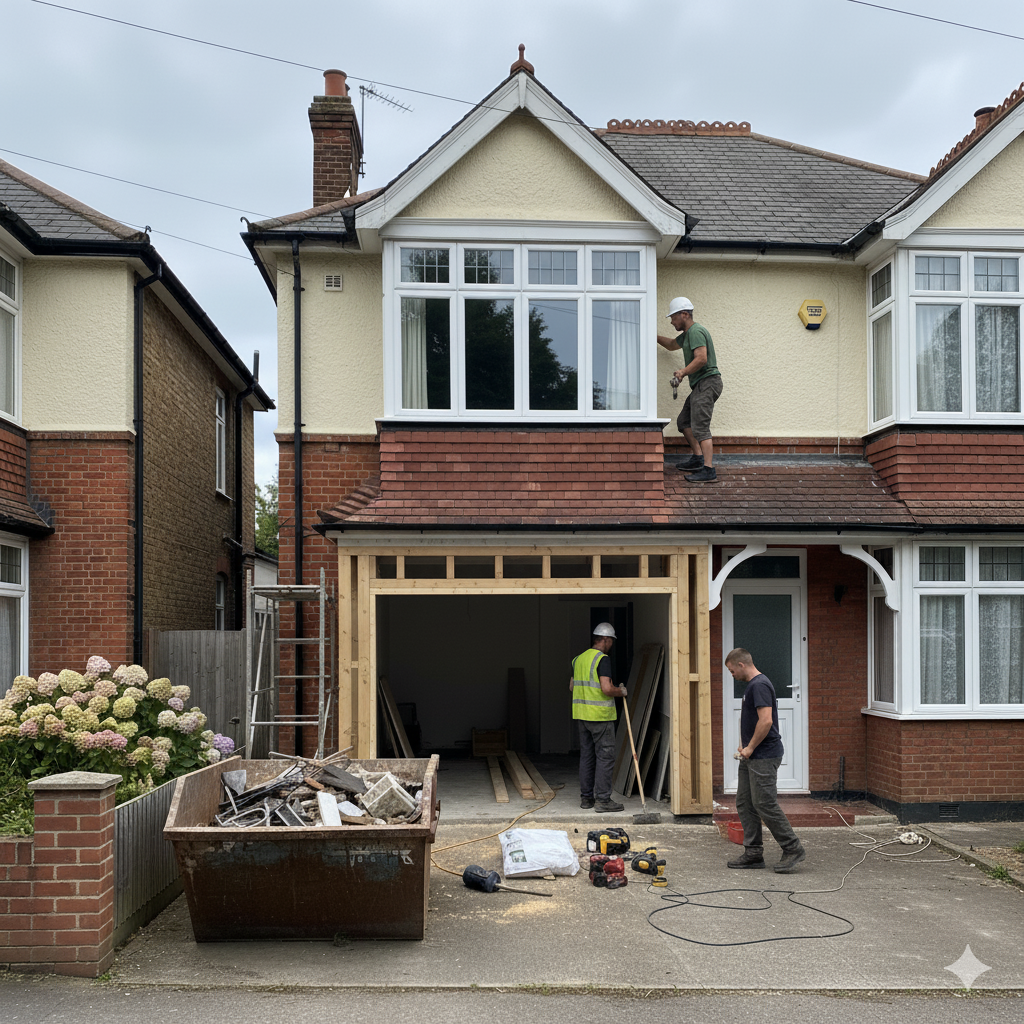
* Waste Management: Implement a 100% diversion-from-landfill policy for all construction debris.
* Local Procurement: Source all stone, timber, and craftsmanship within a 30-mile radius where possible.