

Net Zero Home Extension Costs UK: The 2026 Definitive Guide
Building for the future requires a shift from traditional methods to carbon-neutral renovation standards. Understanding the current Net Zero home extension costs UK is essential for homeowners in London, Manchester, and the Cotswolds.
In 2026, the intersection of strict building regulations and advanced technology has redefined project budgets. This guide breaks down the financial and structural requirements for a high-performance, sustainable extension.
Understanding Net Zero Home Extension Costs UK in 2026
Base costs for a Net Zero extension currently range from £3,200 to £4,800 per square metre. These figures reflect the premium for high-density insulation and airtightness testing required for compliance.
While the initial outlay is higher than traditional builds, the long-term energy savings are unprecedented. Modern homeowners are now prioritising operational efficiency over purely aesthetic upgrades.
Core Cost Components of Sustainable Builds
The Role of Sustainable Building Materials
Selecting sustainable building materials is no longer a niche choice but a regulatory necessity in 2026. Using timber-spec structures from sustainable UK forestry reduces the embodied carbon of your project significantly.
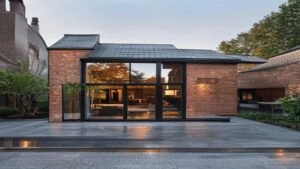
Prices for reclaimed London stock brick and Welsh slate have stabilised, making them viable for high-end extensions. These materials offer longevity and character while supporting a circular construction economy.
Top Materials for Carbon-Neutral Renovation
* Cross-Laminated Timber (CLT): Rapid installation times and excellent carbon sequestration.
* Wood Fibre Insulation: Breathable, natural insulation that prevents overheating in summer.
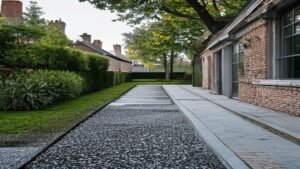
* Recycled Crushed Glass Aggregate: Sustainable foundation fill that reduces site waste.
* Clay Plasters: Natural humidity regulation for a healthier internal living environment.
Energy Efficient Glazing UK Standards
In 2026, energy efficient glazing UK standards require triple glazing as a minimum for Net Zero certification. These units often feature krypton or xenon gas fills for superior thermal performance.
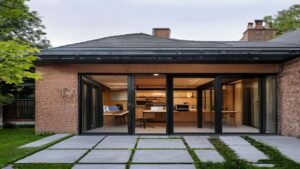
Expect to pay between £900 and £1,500 per square metre for high-specification architectural glazing. Frameless designs with thermal breaks are particularly popular in modern minimalist extensions.
Glazing Performance Metrics
ASHP Installation Costs and Integration
Air Source Heat Pumps (ASHPs) are now the primary heating solution for UK extensions. Current ASHP installation costs range from £8,000 to £14,000 depending on unit capacity and complexity.
Integrating these systems with underfloor heating ensures maximum efficiency at lower flow temperatures. Smart home integration allows for precise zone control via mobile applications.
Why Choose ASHP for Your Extension?
* Reduced Carbon Footprint: Operates using electricity, which is increasingly sourced from renewables.
* High Efficiency: COP (Coefficient of Performance) ratings typically exceed 3.5 in modern units.
* Government Grants: Access to the latest Boiler Upgrade Scheme extensions for 2026.
* Low Maintenance: Fewer moving parts compared to traditional gas boiler systems.
Regional Variations in Construction Costs
Location remains a primary factor in the total Net Zero home extension costs UK. Central London projects often carry a 25% premium due to logistics and specialist labour requirements.
In contrast, projects in the North of England may benefit from lower site overheads. However, the cost of specialist sustainable building materials remains relatively consistent nationwide.
Cost Breakdown by Region (per m²)
Managing Your Carbon-Neutral Renovation Budget
Effective cost management begins with a detailed bill of quantities and a clear sustainability strategy. Engaging a specialist Net Zero architect early can prevent expensive retrofitting during the build phase.
Prioritise the ‘fabric first’ approach to ensure your budget is spent on elements that cannot be easily changed later. Aesthetics can be upgraded over time, but the building envelope is a permanent investment.
Budgeting Checklist for Homeowners
* Contingency Fund: Always set aside 15% for unforeseen structural or material price shifts.
* Professional Fees: Factor in structural engineers, SAP assessors, and sustainability consultants.
* VAT Incentives: Check for 0% VAT eligibility on certain energy-saving material installations.
* Site Access: Account for plant hire and waste management solutions for constrained urban sites.
The Future of Modular Net Zero Extensions
Prefabricated modular extensions are gaining traction in 2026 as a cost-effective route to Net Zero. These units are built in controlled factory environments, ensuring perfect airtightness and minimal site waste.
Installation of a modular extension can often be completed in weeks rather than months. This reduces the disruption to your daily life and provides more certainty regarding the final cost.
Benefits of Off-Site Construction
Conclusion: Investing in a Net Zero Future
While the Net Zero home extension costs UK are higher than traditional builds, the value added to the property is significant. Energy-efficient homes are increasingly command a premium in the 2026 UK property market.
By focusing on sustainable building materials and advanced heating technologies, you create a future-proof living space. Start your journey by sourcing the right equipment and expertise for your carbon-neutral renovation today.