


Living in a city often means adapting to smaller spaces — compact flats, narrow terraces, or modest semi-detached houses. Yet, with clever design and smart storage solutions, even the smallest urban home can feel spacious, functional, and stylish. Whether you live in London, Manchester, or Birmingham, learning how to make the most of limited space can transform your home into a comfortable and efficient haven.
Here’s a detailed guide to help you maximise every square inch of your urban property.
1. Start with a Smart Layout
The layout of your home plays a major role in how roomy it feels. Begin by analysing how you use each space daily.
-
Open-plan living: Knocking down unnecessary walls between the kitchen, dining, and living areas can create a sense of flow and openness.
-
Multi-functional zones: Use furniture or rugs to define zones in an open space — for example, a small dining table that doubles as a workspace.
-
Avoid cluttered pathways: Ensure there’s a clear flow between rooms. Keep furniture scaled appropriately to avoid blocking natural movement.
If your layout feels awkward, consider consulting a professional designer or architect to reimagine your floor plan.
2. Use Light and Colour to Create Space
Light is your best friend in a compact home. Natural light instantly makes rooms feel larger and more inviting.
-
Maximise natural light: Use sheer curtains, install skylights, or replace solid doors with glazed ones.
-
Choose a bright colour palette: Neutral shades such as off-white, light grey, or soft beige reflect light, giving the illusion of space.
-
Add mirrors: Position mirrors opposite windows or in narrow hallways to bounce light around and visually expand the area.
A well-lit home feels open, calm, and balanced — even if the square footage is limited.
3. Invest in Space-Saving Furniture
Modern urban living requires furniture that works harder.
-
Multi-purpose pieces: Opt for a sofa bed, extendable dining table, or ottoman with built-in storage.
-
Wall-mounted options: Fold-down desks, floating shelves, and mounted TVs free up valuable floor space.
-
Slim and sleek designs: Choose furniture with exposed legs or glass surfaces to keep the room feeling airy.
Investing in quality, space-efficient furniture can dramatically improve how functional your home feels.
4. Make Use of Vertical Space
When floor area is limited, think upwards.
-
Tall shelving units: Use floor-to-ceiling bookshelves or wardrobes to store items vertically.
-
Overhead storage: Fit cabinets above doors or install hanging shelves in the kitchen for extra storage.
-
Loft or mezzanine levels: If ceiling height allows, create a raised sleeping area or storage loft to make better use of volume.
By using vertical space creatively, you reduce clutter and open up your living areas.
5. Keep It Clutter-Free with Smart Storage
Clutter can quickly make a small home feel chaotic. Implement clever storage strategies to maintain order:
-
Hidden storage: Use under-bed drawers, built-in wardrobes, and stair cupboards.
-
Declutter regularly: Adopt a “one in, one out” rule to prevent overcrowding.
-
Built-in solutions: Custom joinery can make use of awkward corners and alcoves that standard furniture might not fit.
A well-organised home always feels more spacious and peaceful.
6. Create Visual Continuity
Small urban homes benefit from a cohesive design scheme.
-
Use consistent flooring: The same flooring throughout creates a sense of flow.
-
Limit colour contrasts: Stick to two or three complementary tones.
-
Choose minimalist décor: Clean lines, simple patterns, and a restrained colour palette prevent visual clutter.
This approach helps the eye move easily through the space, making your home appear larger and more connected.
7. Bring the Outdoors In
Urban homes often lack outdoor space, but you can still create a refreshing connection with nature.
-
Add indoor plants: Greenery brings life and freshness to compact interiors.
-
Use large windows or glass doors: These visually extend your space towards any available outdoor area.
-
Small balconies or patios: Even the tiniest outdoor nook can become an extra living area with the right furniture.
This connection to nature can make a city home feel less confined and more serene.
8. Reimagine Unused Areas
Every home has underused corners that can be transformed.
-
Under the stairs: Perfect for a small office, reading nook, or bespoke storage.
-
Hallways: Add slimline consoles, hooks, or built-in benches with storage underneath.
-
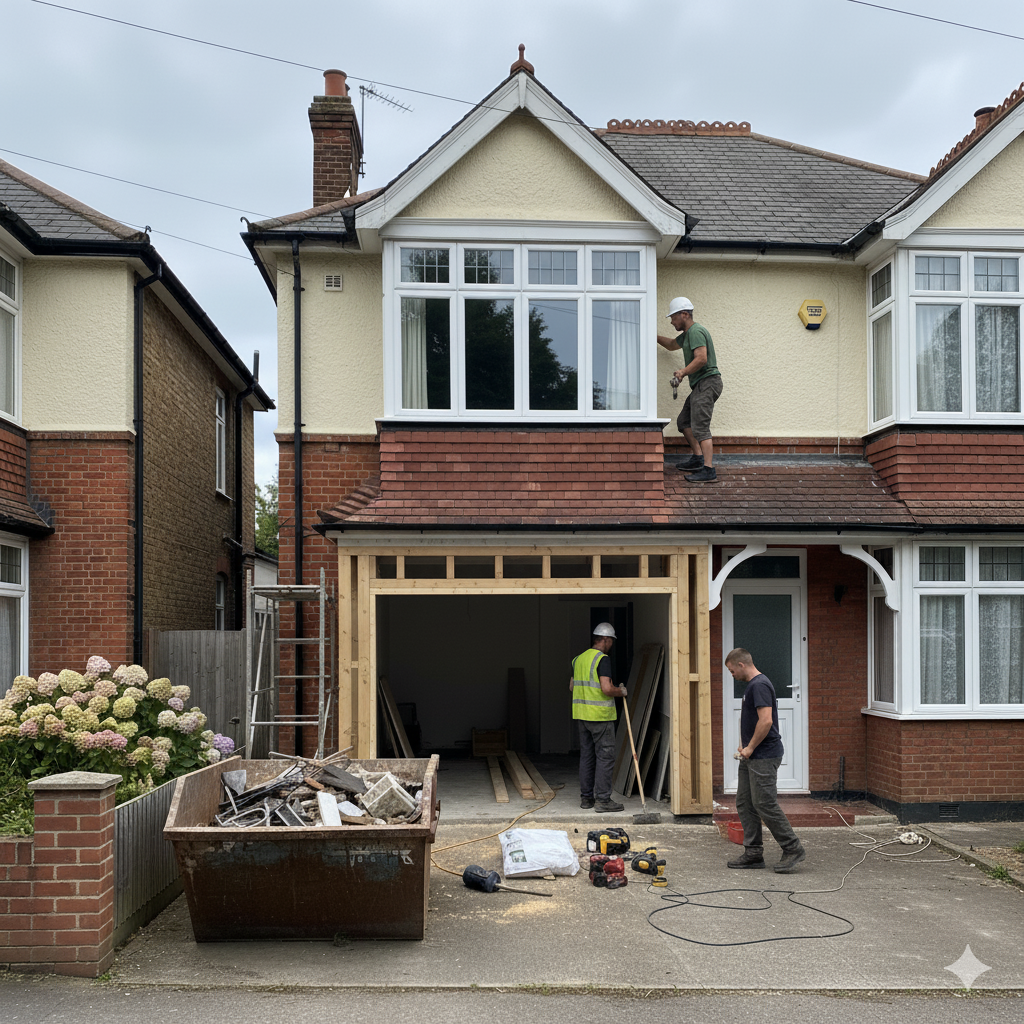
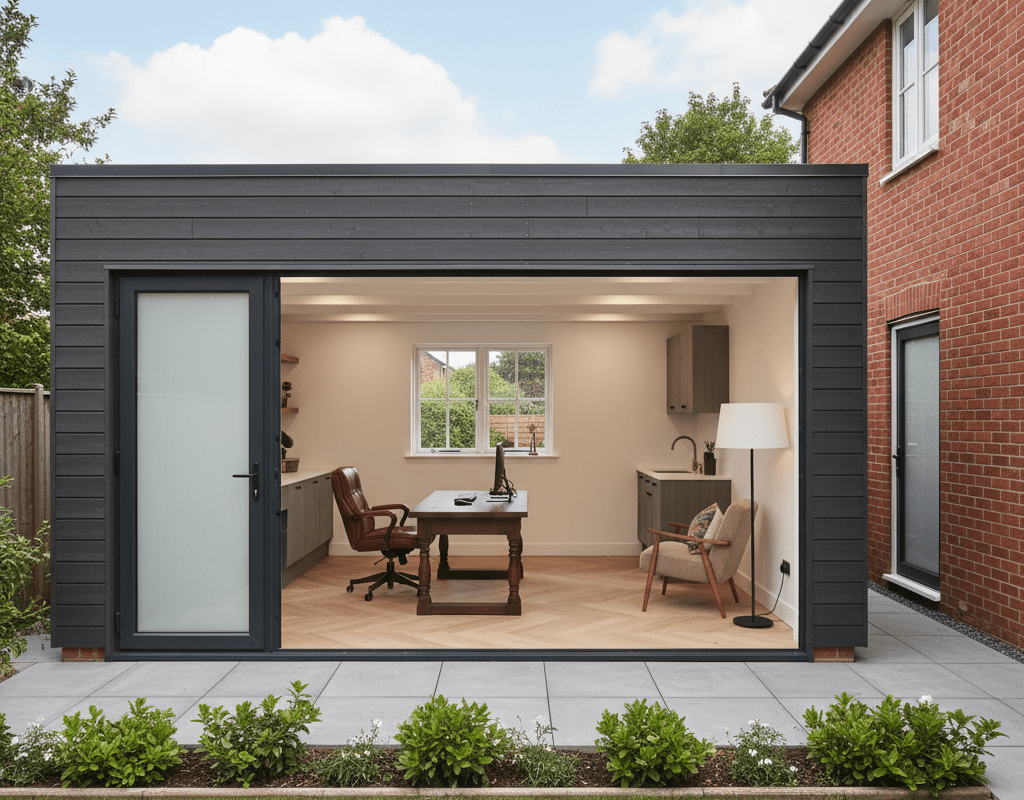
Lofts and garages: Convert these into guest rooms, offices, or hobby spaces.
Think creatively — every square metre can have a purpose.
9. Incorporate Reflective and Transparent Materials
Glass, mirrors, and glossy finishes enhance a sense of openness.
-
Glass partitions: Divide rooms without blocking light.
-
Glossy surfaces: High-shine kitchens and reflective tiles help light bounce around.
-
Mirrored furniture: Subtle mirrored pieces can make rooms feel less confined.
These materials can modernise your space while maintaining a light, expansive feel.
10. Personalise Without Overcrowding
Even in small homes, your personality should shine through.
-
Select statement pieces carefully: A single large artwork often has more impact than several small ones.
-
Use vertical décor: Hang art higher up the wall to draw the eye upwards.
-
Keep accessories minimal: Choose meaningful items that enhance rather than overwhelm the space.
Good design balances comfort, function, and style — no matter the size of your home.
Conclusion
Living in an urban environment doesn’t mean you have to compromise on comfort or style. By combining smart design principles with efficient storage and thoughtful décor, you can transform even the smallest property into a space that feels open, modern, and inviting.
From maximising natural light and vertical storage to choosing multi-functional furniture, every decision counts. With creativity and planning, your compact city home can offer big style in a small footprint.