
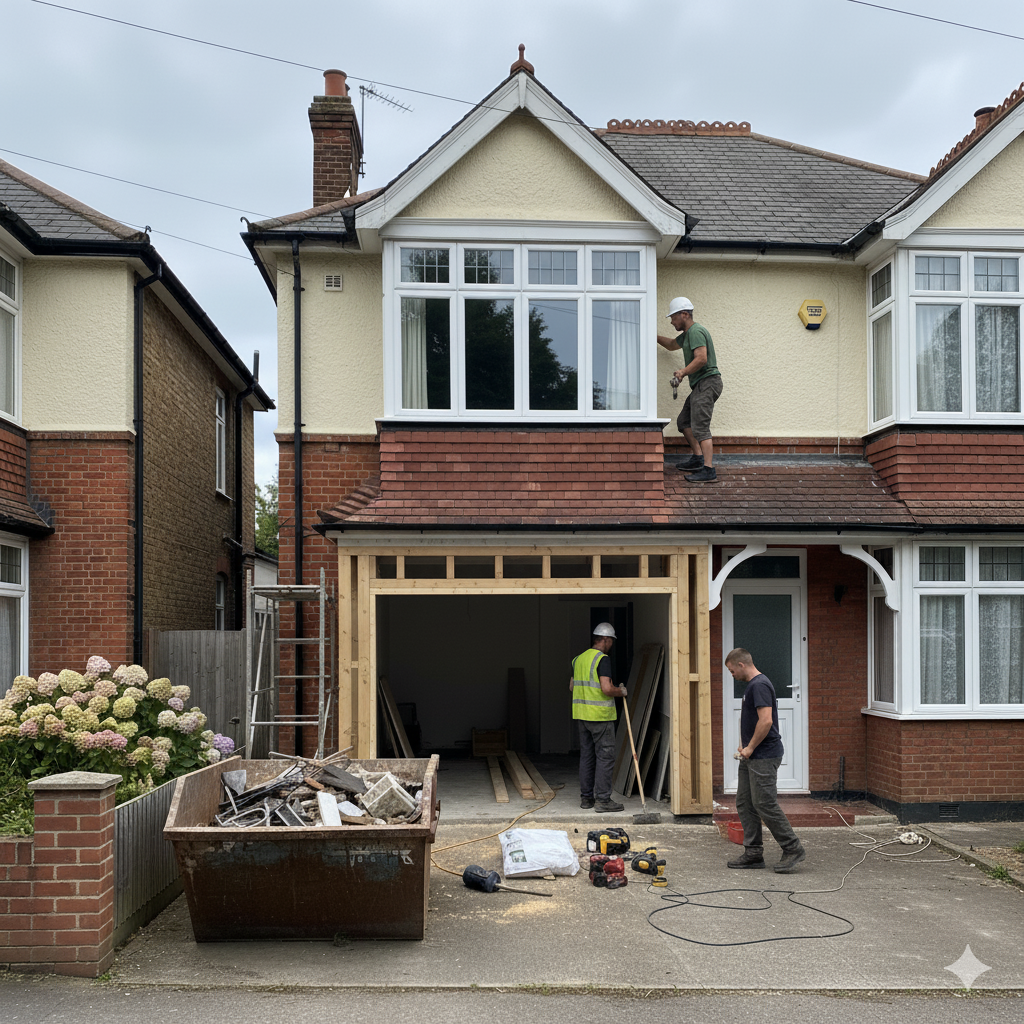




When it comes to achieving a flawless interior, professional plastering plays a vital role in transforming walls and ceilings into smooth, elegant surfaces ready for decorating. While it might seem like a simple step in construction or renovation, plastering is both an art and a science that requires skill, precision, and the right materials.
Whether you’re renovating your home, adding an extension, or building from scratch, understanding the importance of quality plastering will ensure your property looks polished and stands the test of time.
Here’s a complete guide on how to achieve a perfect finish with professional plastering.
1. Start with Proper Preparation
A perfect plaster finish begins with careful preparation. Before any plaster is applied, surfaces should be clean, dry, and free from dust or loose material.
Professionals often:
-
Repair cracks or holes with filler.
-
Remove old wallpaper, paint, or adhesive.
-
Apply a bonding agent (like PVA) to improve adhesion.
Proper preparation ensures the plaster sticks firmly to the surface, preventing future issues like cracks, bubbles, or flaking.
2. Choose the Right Type of Plaster
Different areas of a property require different plaster types, depending on the surface and environment. Common options include:
-
Bonding Plaster: Ideal for uneven or low-suction backgrounds such as concrete.
-
Browning Plaster: Commonly used for internal walls with higher suction.
-
Hardwall Plaster: Offers a durable and quick-setting finish, suitable for masonry.
-
Skim Plaster (Finishing Plaster): Used as a final coat for a smooth, polished look.
-
Lime Plaster: A breathable, eco-friendly option perfect for older or period properties.
A professional plasterer will assess the conditions and choose the best materials for a durable and aesthetic result.
3. Apply the Plaster in the Correct Sequence
Plastering typically involves two coats: a base coat and a finishing coat.
-
Base coat: Provides strength and an even foundation. It’s applied to the substrate and allowed to partially dry.
-
Finishing coat: A thin, smooth layer that’s applied on top for a refined appearance.
The timing between coats is crucial — applying the next layer too soon or too late can lead to cracks or uneven drying.
4. Perfect the Technique
Professional plastering requires years of experience to master. The correct technique ensures smoothness, consistency, and strength.
Key elements include:
-
Even pressure: Ensures a uniform layer without lumps.
-
Right trowel angle: Helps spread the plaster smoothly.
-
Timing: Knowing when to trowel, mist, and polish before the plaster sets.
Skilled plasterers use multiple passes with their trowel to achieve a seamless finish, with no visible lines or imperfections.
5. Control Drying Conditions
Plaster shouldn’t dry too quickly or too slowly. The environment plays a big part in achieving the perfect finish.
Avoid:
-
Direct sunlight or heating, which can cause cracking.
-
Excessive humidity, which slows the drying process.
Professionals maintain a balanced temperature and may lightly mist surfaces if necessary to control drying speed.
6. Sanding and Finishing Touches
Once the plaster has fully dried, minor imperfections can be sanded down gently. However, a well-plastered surface should need minimal sanding if applied correctly.
A professional plasterer finishes the surface to a level where it’s ready for painting or wallpapering — smooth, even, and blemish-free.
7. Paint at the Right Time
It’s important not to paint too soon after plastering. New plaster needs time to cure and fully dry — usually around 5 to 7 days depending on room temperature and humidity.
To prepare for painting:
-
Apply a mist coat (a mix of watered-down emulsion) to seal the surface.
-
Avoid gloss or oil-based paints at first, as they can trap moisture.
Properly dried plaster provides a perfect base for your chosen colour and finish.
8. Hire Skilled Professionals
While DIY plastering might seem tempting, achieving a truly professional finish requires training and experience. Hiring a qualified plasterer ensures:
-
A smoother, stronger finish.
-
Correct material use for your property type.
-
Compliance with UK building standards.
-
Faster, cleaner, and more efficient results.
A professional’s expertise can make the difference between average and exceptional results — especially for large or complex projects like loft conversions, extensions, or period restorations.
9. Benefits of Professional Plastering
Opting for professional plastering offers several long-term advantages:
-
Aesthetic appeal: Creates a sleek, elegant surface ready for decoration.
-
Durability: Reduces the risk of cracking or damp issues.
-
Improved insulation: Enhances soundproofing and energy efficiency.
-
Increased property value: High-quality finishes add appeal and worth to your home.
10. Maintenance Tips for a Lasting Finish
To keep your plaster looking its best:
-
Avoid hanging heavy objects without proper fittings.
-
Keep rooms well-ventilated to prevent dampness.
-
Repaint or touch up surfaces as needed to maintain freshness.
With good care, professional plastering can last for decades.
Conclusion
A perfect plaster finish is the hallmark of a well-built home. It requires skill, precision, and experience — and when done professionally, it adds both visual beauty and structural integrity to your property.
Whether you’re renovating, extending, or building new, professional plastering ensures your interiors not only look flawless but also stand the test of time.