


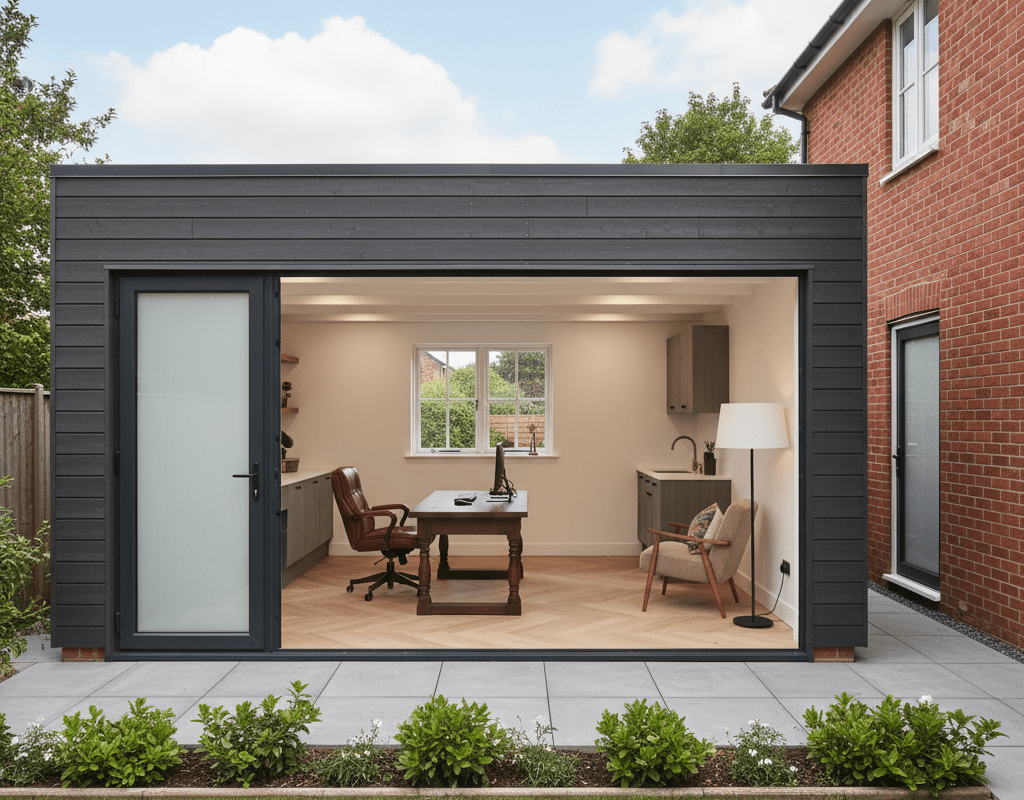


When renovating or redecorating your home, flooring plays a major role in setting the tone and style of each room. It affects not only the aesthetics but also comfort, durability, and maintenance. Whether you’re modernising a period property or designing a new build, choosing the right flooring can make a world of difference. Here’s a complete guide to help you make the best choice for your home.
1. Consider Your Lifestyle and Home Environment
Before you fall in love with a particular flooring style, think about how you use the space.
-
High-traffic areas: Hallways, kitchens, and living rooms need durable materials such as laminate, vinyl, or engineered wood.
-
Low-traffic rooms: Bedrooms or home offices can benefit from the comfort of carpet or soft wood flooring.
-
Pets and children: Opt for scratch-resistant and easy-to-clean options like luxury vinyl tiles (LVT) or laminate.
Your lifestyle should guide your decision — the most beautiful flooring won’t last long if it doesn’t suit your daily routine.
2. Match Flooring to Your Interior Style
Each flooring type creates a different mood and complements certain décor styles:
-
Wooden floors: Timeless and elegant, ideal for both classic and contemporary interiors.
-
Tiles: Great for modern, minimalist, or industrial spaces — especially in bathrooms and kitchens.
-
Carpets: Perfect for cosy, traditional designs and adding warmth to bedrooms or lounges.
-
Vinyl and laminate: Available in various finishes, offering the look of natural wood or stone at a lower cost.
Consistency across rooms creates a sense of flow, while mixing materials can help define different areas in open-plan spaces.
3. Understand Material Options
Here’s a breakdown of popular flooring types available in the UK:
-
Solid wood: Offers natural beauty and longevity but requires regular maintenance.
-
Engineered wood: More stable than solid wood, suitable for underfloor heating.
-
Laminate: Affordable and easy to install, mimicking the look of natural materials.
-
Vinyl (LVT): Water-resistant, stylish, and ideal for kitchens and bathrooms.
-
Carpet: Soft, warm, and noise-reducing, perfect for comfort and insulation.
-
Ceramic or porcelain tiles: Durable, water-resistant, and great for high-moisture areas.
Each material has its own advantages, so balance practicality with aesthetics when choosing.
4. Think About Maintenance and Durability
Maintenance can be a major factor in long-term satisfaction.
-
Wood floors need periodic sealing or refinishing.
-
Laminate and vinyl are low-maintenance and easy to clean.
-
Carpets require regular vacuuming and occasional deep cleaning.
If you want something that lasts without much effort, consider hard-wearing materials like tiles or LVT, especially in busy homes.
5. Don’t Forget Comfort and Warmth
In the UK’s cooler climate, warmth underfoot matters.
-
Carpets offer the best insulation.
-
Engineered wood and LVT work well with underfloor heating systems.
-
Tiles can feel cold but pair nicely with heating solutions.
The key is to find a balance between comfort, practicality, and design.
6. Budget Wisely
Your budget should cover not just materials but also installation, underlay, and finishing touches.
While cheaper options may seem appealing, investing in quality flooring can save you money in the long term through reduced maintenance and better durability.
7. Seek Professional Advice
A professional installer or interior designer can help you match the right flooring to your home’s structure and layout. They’ll also ensure correct installation, which is crucial for durability and performance.
Conclusion
Choosing the perfect flooring for your home is about more than looks — it’s about finding the right balance of functionality, comfort, and style. Whether you prefer the timeless charm of wood, the practicality of vinyl, or the luxury of tiles, make sure your flooring complements your lifestyle and enhances your home’s overall design.