
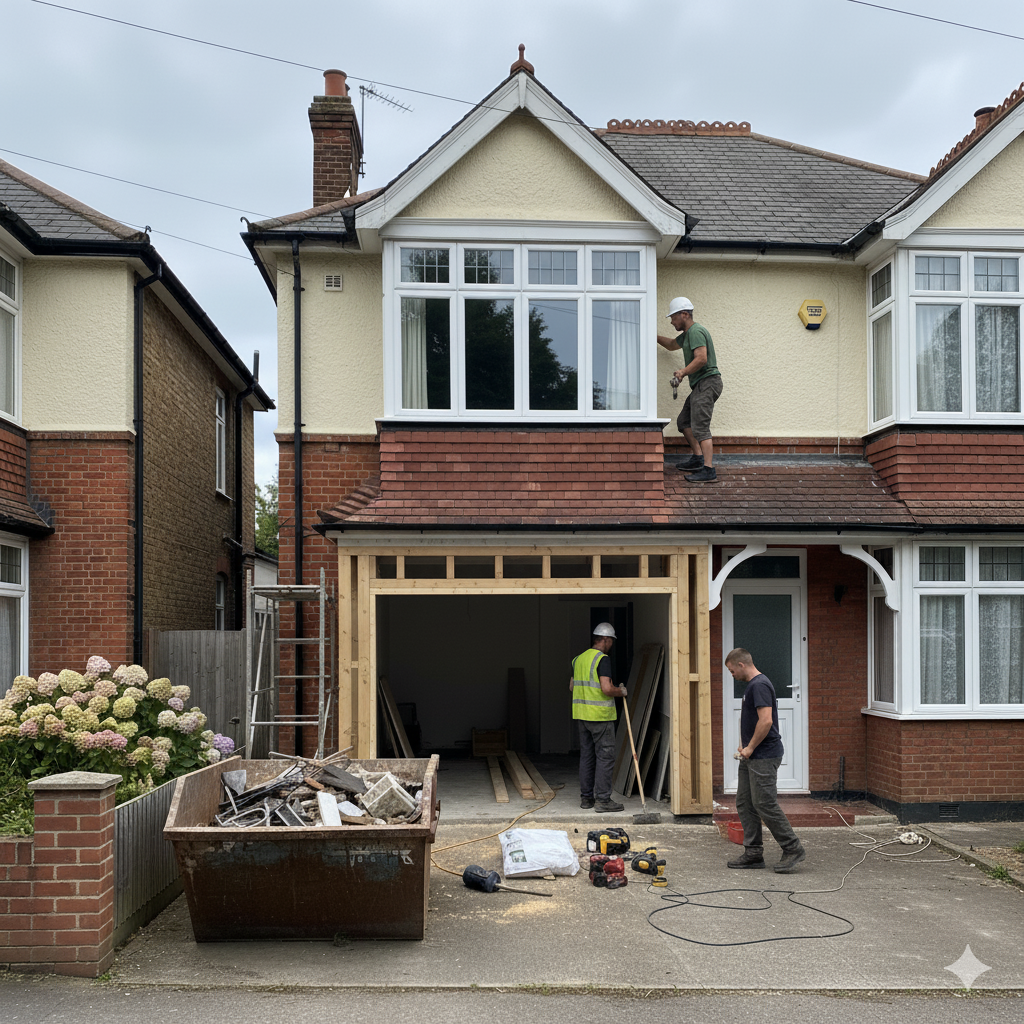

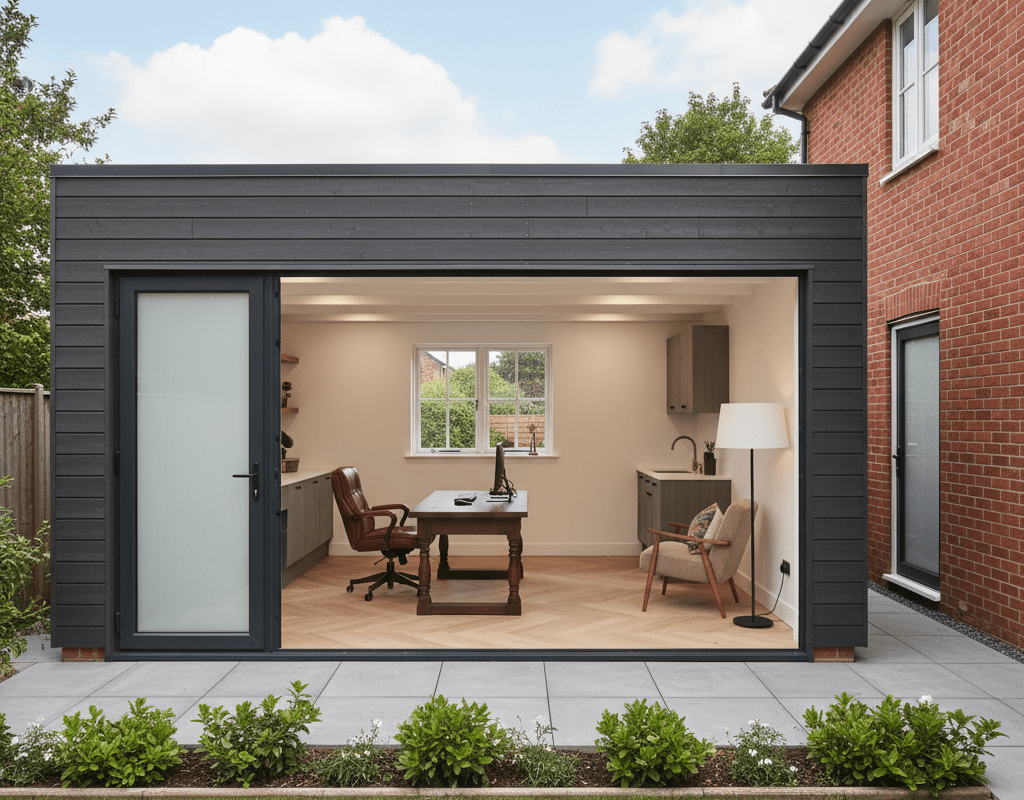



In 2026, the British property landscape has shifted. Homeowners are no longer just renovating for aesthetics; they are renovating for sustainability, energy independence, and hybrid functionality. Whether you’ve just picked up a “fixer-upper” in the Midlands or you’re looking to modernise a Victorian terrace in London, a successful project requires a meticulous approach to planning and execution.
This ultimate guide to home renovation in the UK walks you through the essential steps to ensure your project stays on track, complies with the latest 2026 regulations, and delivers the highest possible Return on Investment (ROI).
1. Defining Your Vision and Assessing Scope
Before a single brick is laid, you must define your “why.” In the current market, “multi-functional living” is the primary driver for renovations.
-
Whole-House Refurbishment: Often involving “back-to-brick” work, rewiring, and new plumbing.
-
Extensions & Conversions: Loft conversions and “wraparound” kitchen extensions remain the best ways to add significant square footage and value.
-
Energy Retrofitting: A key 2026 trend. Upgrading insulation, installing air-source heat pumps, and solar integration.
Top Tip: Conduct a structural survey early. Discovering damp, subsidence, or “blown” plaster halfway through a build can decimate your contingency fund.
2. Setting a Realistic 2026 Budget
Inflation and supply chain shifts mean that 2023 prices are no longer relevant. As of early 2026, typical UK costs for a 3-bedroom house renovation range from £60,000 to £150,000+ depending on specification.
Typical Cost Benchmarks (UK Average)
| Project Type | Estimated Cost (Mid-Spec) | Potential Value Add |
| Kitchen Renovation | £12,000 – £25,000 | 5–10% |
| Loft Conversion | £45,000 – £70,000 | Up to 20% |
| Bathroom Refit | £6,000 – £12,000 | 3–5% |
| Full Rewire | £4,500 – £8,000 | Essential for Survey |
Always include a 15% contingency fund. Unexpected issues, from rotten joists to lead piping, are common in older British stock.
3. Navigating Planning Permission and Building Regs
The UK government’s 2026 Planning Reforms have streamlined some processes, but compliance is stricter than ever regarding the Future Homes Standard.
-
Permitted Development (PD): Many extensions and loft conversions fall under PD, meaning you don’t need full planning permission. However, always apply for a Lawful Development Certificate to prove the work was legal when you come to sell.
-
Building Regulations: Regardless of planning, all structural, electrical, and plumbing work must meet Building Regs. From October 2026, be aware of the new Building Safety Levy that may apply to certain residential developments.
-
Future Homes Standard: New renovations are now encouraged to meet higher thermal efficiency targets. This includes “U-value” requirements for windows and doors that exceed previous standards.
4. The Correct Order of Works
One of the most common mistakes is “decorating too early.” To avoid rework, follow this tried-and-tested sequence:
-
Structural & Damp Proofing: Fixing the roof, walls, and foundations.
-
First Fix: Stripping back walls, installing new wiring (electrics), and plumbing.
-
Plastering: Allowing significant drying time (especially in winter).
-
Second Fix: Connecting sockets, fitting the kitchen, and installing bathroom suites.
-
Finishing Touches: Flooring, tiling, and finally, painting.
5. 2026 Renovation Trends: Green is the New Gold
Sustainability is no longer a “nice to have”; it is a value driver.
-
The “Sixth Wall”: 2026 sees a huge trend in ceiling treatments—timber panelling or bold colours on the ceiling to add character.
-
Smart Energy Management: Integrated AI-powered systems (like Nest or Hive) that manage solar storage and heat pump efficiency are highly sought after by buyers.
-
Heritage Meets Modern: Mixing “New Deco” (curves and fluted details) with reclaimed British materials like terracotta or salvaged oak.
