




Renovating an older property in the UK can be both exciting and challenging. From charming Victorian terraces to characterful Georgian homes, older buildings offer unique features you simply can’t find in modern new-builds. However, they also come with age-related issues that require careful planning, skilled craftsmanship, and thoughtful investment.
This ultimate guide covers everything you need to know before renovating an older UK property, including structural considerations, design decisions, budgeting, and the best ways to protect the historic charm of your home.
1. Understand the Property’s History and Structure
Before beginning any renovation, it’s important to understand the age, architecture, and construction style of the building. Many older UK homes were built using traditional materials like lime mortar, timber frames, or solid brick walls.
Key steps:
-
Research the architectural period (Victorian, Edwardian, Georgian, etc.).
-
Check whether the property is listed or located within a conservation area.
-
Identify original features such as beams, fireplaces, cornices, and sash windows.
Knowing your property’s background helps you choose the right materials and methods for renovation, ensuring you preserve its character while making improvements.
2. Start with a Professional Structural Survey
Older properties often hide problems beneath their charming exterior. A full structural survey is essential to avoid unexpected and costly surprises.
Common issues in older UK homes:
-
Damp or mould
-
Timber rot
-
Subsidence or movement
-
Outdated or unsafe electrics
-
Old plumbing systems
-
Roof deterioration
A survey helps you prioritise repairs, budget realistically, and plan the renovation stages in the correct order.
3. Address Damp and Insulation Early
Damp is one of the most common problems in older properties. Unlike modern homes, older buildings were designed to ‘breathe’, meaning they manage moisture differently.
Tips to manage damp and improve insulation:
-
Use breathable materials like lime plaster instead of modern cement.
-
Improve ventilation, especially in kitchens and bathrooms.
-
Consider internal wall insulation for solid walls.
-
Upgrade loft insulation to improve energy efficiency.
-
Repair external pointing using traditional methods.
Addressing these issues early ensures a healthy, comfortable home and prevents further deterioration.
4. Modernise the Electrics and Plumbing
Many older homes still operate with outdated systems that may not comply with current UK standards.
Essential updates include:
-
Rewiring the house for safety and modern appliance usage.
-
Upgrading the consumer unit (fuse box).
-
Replacing old lead pipes.
-
Installing energy-efficient boilers or heating systems.
These upgrades not only enhance safety but also increase long-term property value.
5. Preserve and Restore Period Features
The charm of older UK homes lies in their timeless features. Restoring them properly can significantly enhance the character and appeal of your renovation.
Examples of features worth restoring:
-
Original timber flooring
-
Ornate ceiling roses and coving
-
Sash windows
-
Victorian tiles
-
Fireplaces and hearths
Specialists can restore these elements while ensuring they meet modern standards.
6. Blend Modern Comfort with Traditional Style
The best renovations strike a balance between historic beauty and contemporary living.
Ways to achieve this:
-
Create open-plan layouts while preserving key period details.
-
Use neutral colour palettes to highlight original features.
-
Install modern lighting to enhance the warm tones of traditional materials.
-
Opt for minimalist kitchens and bathrooms that complement classic architecture.
This approach keeps the property’s character intact while making it practical and stylish for modern living.
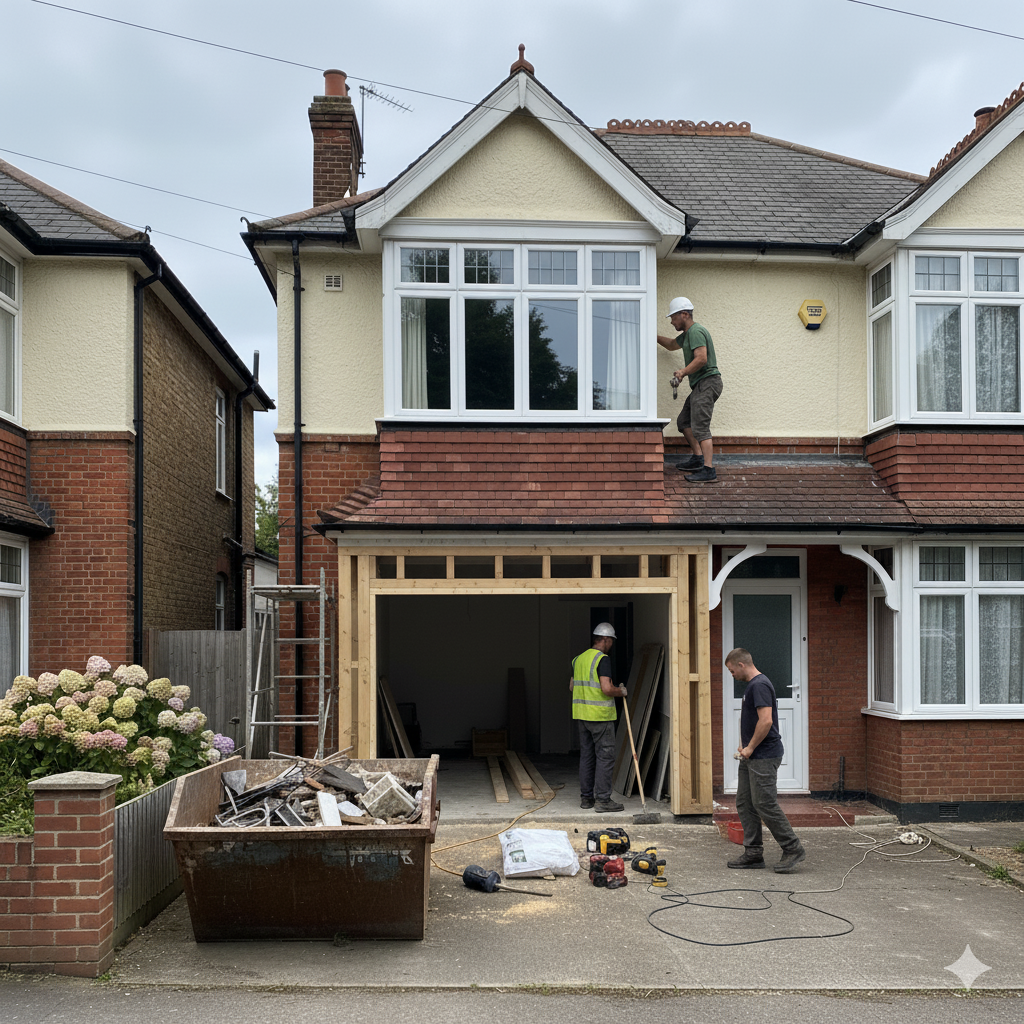
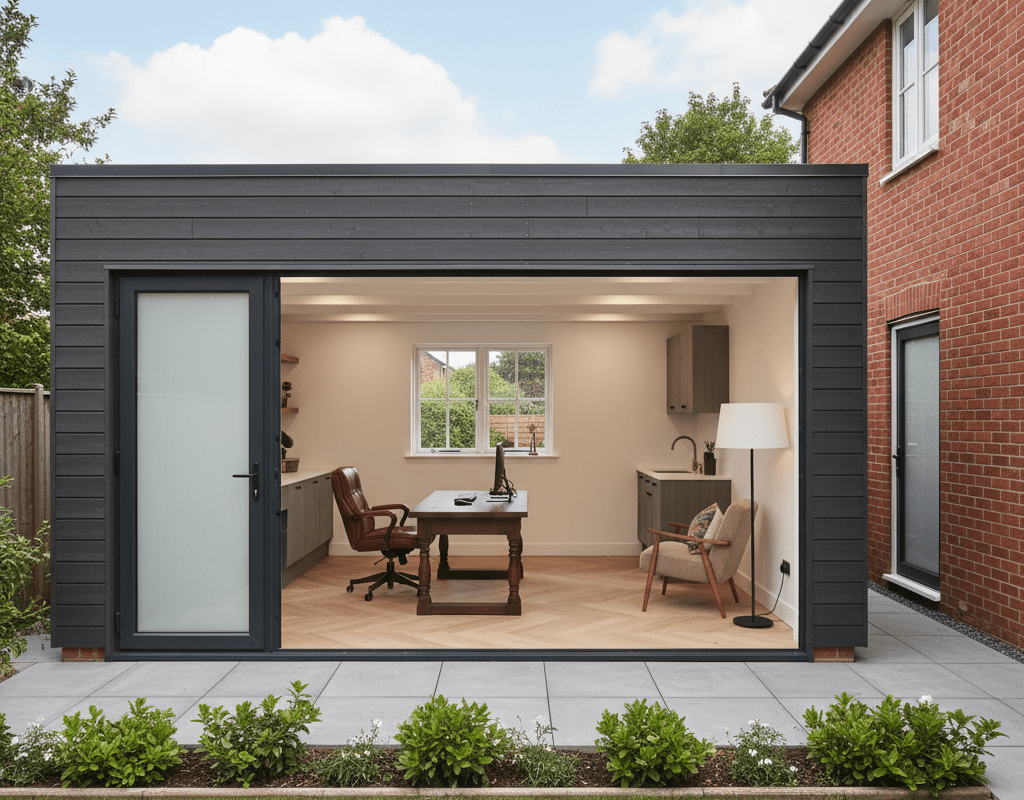
7. Plan Extensions and Loft Conversions Carefully
Extensions and loft conversions are popular upgrades for older properties, especially in London and other built-up areas where space is limited.
Considerations:
-
Ensure designs blend with the property’s architectural style.
-
Check planning permission requirements, especially for listed homes.
-
Choose materials that complement existing brickwork or timber.
A sensitive design ensures your extension looks like a natural part of the property, rather than an afterthought.
8. Budget Realistically
Renovating an older home often costs more than updating a newer property due to hidden issues and the need for specialist skills.
Budgeting tips:
-
Allocate a contingency fund of at least 15–20%.
-
Prioritise structural work before cosmetic improvements.
-
Request detailed quotes from tradespeople.
-
Break the renovation into manageable phases if needed.
A realistic budget prevents unexpected stress and ensures the project stays on track.
9. Hire Skilled Tradespeople with Experience in Older Homes
Older UK properties require expertise. Choosing professionals who understand traditional construction methods is crucial.
Look for specialists in:
-
Lime plastering
-
Traditional carpentry
-
Roofing restoration
-
Period window repair
-
Heritage-approved building methods
This ensures high-quality results and protects the value of your home.
10. Add Value with Smart Upgrades
Certain improvements can significantly increase the long-term value of older homes:
-
Energy-efficient windows
-
Underfloor heating
-
High-quality finishes and bespoke joinery
-
Modern kitchens and bathrooms
-
Landscaped gardens
These upgrades make the home more desirable for future buyers.
Final Thoughts
Renovating an older UK property is a rewarding journey that combines history, craftsmanship, and modern design. With the right planning, skilled professionals, and thoughtful decisions, you can transform your home into a beautiful, functional living space while preserving its timeless charm.
If you’re planning a renovation and want expert support—from design to construction—professional guidance makes all the difference.
