




Embarking on a home renovation can be one of the most exciting – and challenging – experiences for any homeowner. Whether you’re refreshing a single room or transforming your entire property, proper preparation is key to ensuring your renovation runs smoothly, stays on budget, and delivers the results you envision.
This ultimate renovation checklist will guide you through every essential step to take before starting your home renovation in the UK.
1. Define Your Goals and Priorities
Before you contact builders or browse through design ideas, take time to define why you’re renovating. Are you improving functionality, increasing space, or boosting property value?
Make a list of your renovation priorities such as:
-
Creating an open-plan kitchen
-
Adding an extra bedroom or loft conversion
-
Modernising bathrooms or flooring
-
Improving energy efficiency
Having clear goals will help you make smart decisions throughout the project and prevent unnecessary spending.
2. Set a Realistic Budget
Budgeting is the backbone of any successful renovation. Determine how much you can comfortably spend, then allocate funds for labour, materials, design, and unexpected costs (usually 10–15% extra for contingencies).
Be transparent about your budget with your contractor and designer from the start. This ensures your plans remain achievable without compromising on quality or safety.
3. Research and Choose the Right Professionals
Your renovation is only as good as the people who carry it out. Take the time to find reputable contractors, architects, and designers with proven experience in the type of work you’re planning.
Before hiring anyone, always:
-
Check reviews and references
-
Verify insurance and certifications
-
Request detailed quotes and timelines
-
Ensure they understand UK building regulations
A trustworthy team can save you from costly mistakes and delays.
4. Check Planning Permission and Building Regulations
Depending on the scope of your renovation, you may need planning permission or must comply with building regulations.
Common projects that often require approval include:
-
Home extensions
-
Loft conversions
-
Structural changes (e.g., removing load-bearing walls)
-
Listed buildings or properties in conservation areas
Always check with your local planning authority before starting any work to avoid fines or having to undo unauthorised changes.
5. Plan Your Design and Layout
A detailed design plan ensures your renovation aligns with your lifestyle. Work with an architect or interior designer to finalise layouts, materials, lighting, and colour schemes.
Key considerations include:
-
Natural light flow
-
Space functionality
-
Storage solutions
-
Energy-efficient features
Visualising your project before construction begins helps avoid costly changes later.
6. Create a Project Timeline
Timing is crucial, especially if you plan to live in the home during renovations. Create a realistic project schedule that includes start and finish dates, material delivery times, and milestones for each phase.
Factor in potential delays due to weather, supply issues, or unforeseen structural challenges. A well-organised timeline helps keep everyone accountable and the project on track.
7. Prepare Your Home and Family
Before the renovation begins, prepare your living space. Remove valuable items, cover furniture, and set up a temporary living area if necessary.
If major construction is involved, consider moving out temporarily to avoid dust, noise, and disruption. For smaller projects, establish clear boundaries between work zones and living areas.
8. Arrange for Waste Disposal and Site Safety
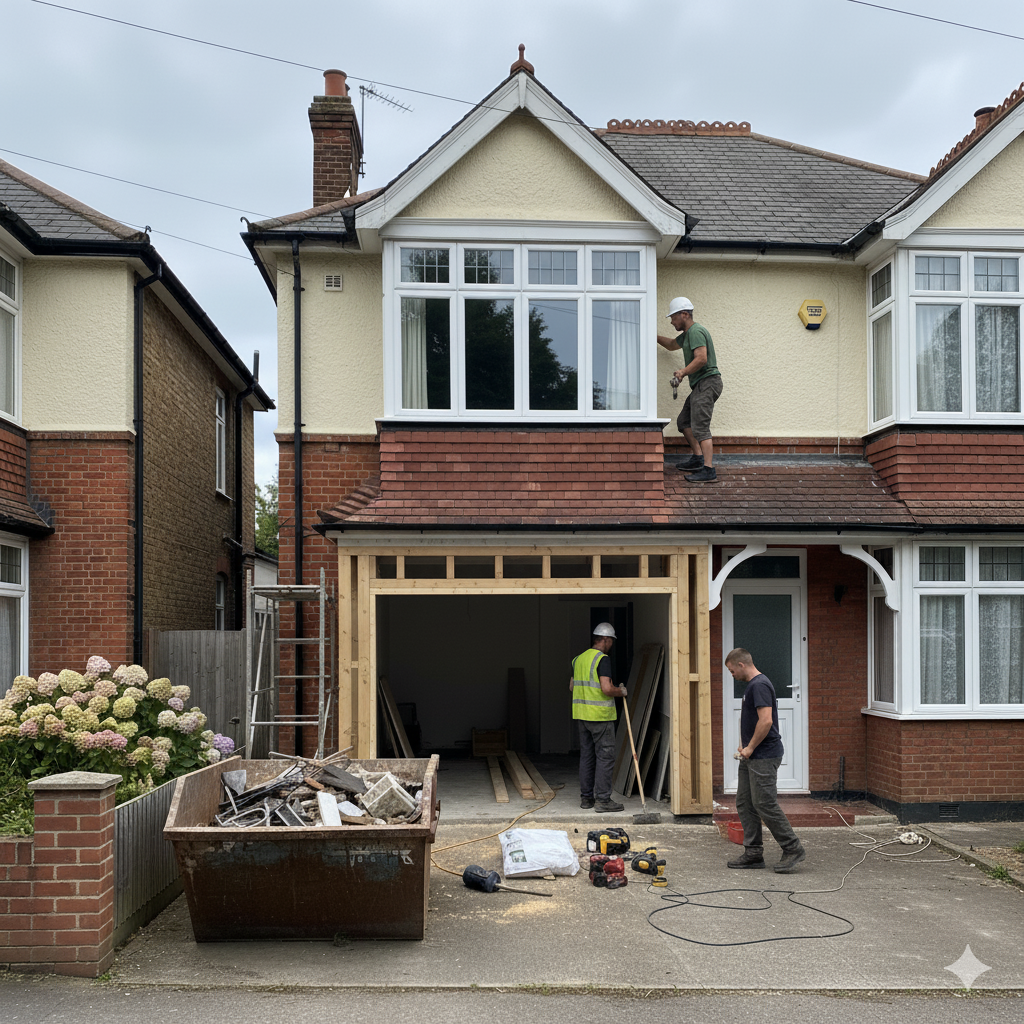
Renovations generate a lot of debris. Discuss waste management with your contractor in advance — including skip hire, recycling options, and daily clean-up routines.
If you’re managing part of the project yourself, ensure the site remains safe for all occupants, especially children and pets.
9. Confirm Utilities and Structural Integrity
Before any demolition or installation begins, have your plumbing, electrical systems, and structure inspected by professionals. This ensures the existing infrastructure can handle new loads or extensions.
If rewiring or plumbing upgrades are required, get them done early to avoid rework or hidden issues later.
10. Communicate Clearly Throughout the Project
Once work begins, maintain regular communication with your builder or project manager. Weekly check-ins or progress reports can help identify potential issues early and keep everyone aligned with your goals.
Keep all contracts, permits, receipts, and design documents organised in one place for easy reference.
11. Plan for Post-Renovation Maintenance
Your work doesn’t end when the renovation is complete. Establish a maintenance schedule for your new fixtures, finishes, and systems. This helps preserve quality and prevents early wear and tear.
Conclusion
A successful renovation starts long before the first wall is knocked down. By planning carefully, hiring the right experts, and keeping your goals clear, you can transform your property with confidence and avoid the common pitfalls that many homeowners face.
With this ultimate pre-renovation checklist, you’ll be fully prepared to turn your vision into a well-executed reality — ensuring a smooth process and a beautiful, lasting result for your home.
