




When planning a home renovation, the goal is often twofold: to create a beautiful, functional space you can enjoy, and to secure a healthy return on investment (ROI) when it comes to selling. Not all renovations are created equal; some add significant value, while others barely break even.
If you’re looking to maximise your property’s sale price in the competitive UK market, focus your efforts on these tried-and-tested value-boosting projects.
1. Add Usable Space: The Loft & Extension Game
Creating extra habitable space is, by far, the most effective way to increase the value of your property. Buyers pay a premium for square footage.
The Loft Conversion
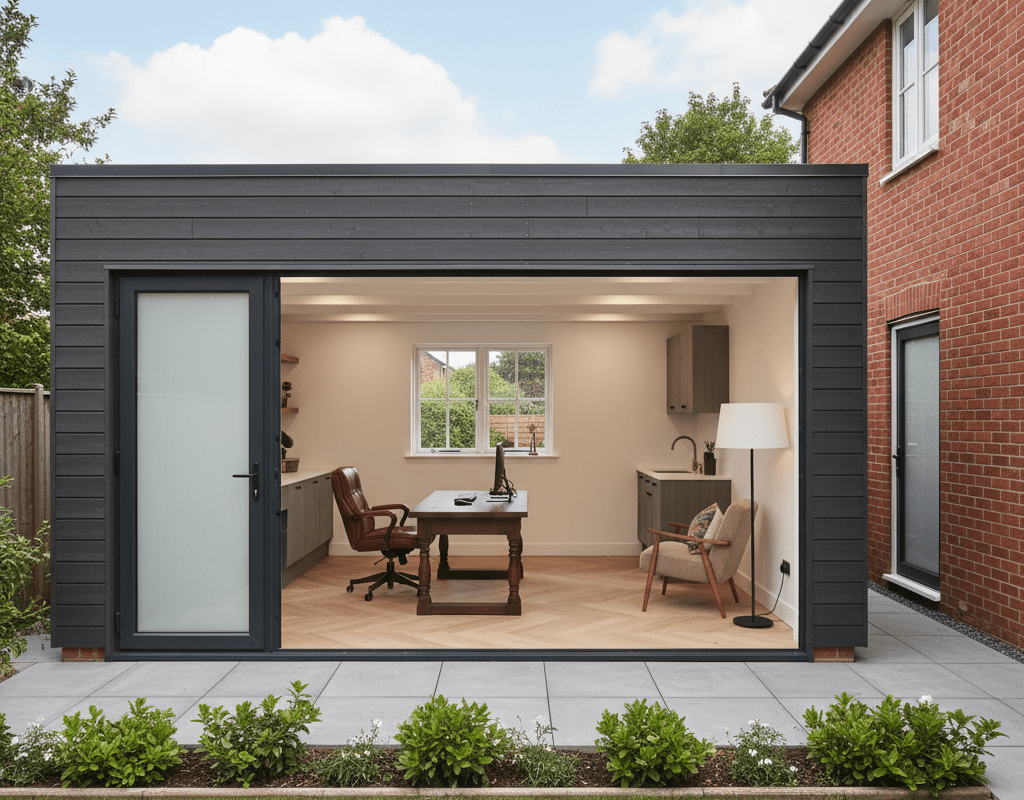
Transforming an unused attic into a functional room—most often a master bedroom with an en-suite bathroom—can add up to 15% to 25% to your property’s value.
-
Dormer Conversions: These are the most popular choice in the UK, as they maximise headroom and often fall under Permitted Development rights, streamlining the planning process.
-
The En-Suite: Adding a bathroom in the loft is essential. It instantly elevates the space from an extra room to a dedicated master suite, which is highly desirable.
The Kitchen Extension (Open-Plan Living)
Extending the ground floor to create a large, open-plan kitchen-diner and family area is the single most sought-after feature in modern British homes.
-
The ‘Heart of the Home’: Buyers want a multifunctional space where they can cook, eat, socialise, and work. A good extension facilitates this lifestyle.
-
Maximise Light: Incorporate large bifold or sliding doors and roof lanterns (skylights) to flood the space with natural light. This modern feature is a huge selling point.
-
Aesthetics: Spend money on quality, durable finishes for your kitchen. Quartz worktops and high-spec integrated appliances give the perception of high value.
2. Renovate the High-Impact Rooms
Focusing your budget on the kitchen and bathrooms is wise, as these are the rooms that most influence a buyer’s emotional connection to a property.
The Kitchen (Quality Over Cheap Fixes)
While a basic new kitchen might cost £7,000, a well-designed, high-quality installation can generate significantly more value.
-
Storage is Key: Prioritise clever, accessible storage solutions, like pull-out larders and smart corner units.
-
The Island: A central kitchen island acts as a focal point, provides extra prep space, and serves as a social hub. This is a must-have for open-plan designs.
-
Aesthetics: Stick to classic, neutral designs (e.g., Shaker style or handleless units) that appeal to the widest range of potential buyers.
The Bathroom (Sanitaryware and Style)
Old, tired bathrooms can instantly devalue a property. A modern, fresh bathroom is a powerful tool for selling.
-
Shower Power: If space allows, include both a bath and a separate shower enclosure. If space is limited (especially in en-suites), a large, walk-in shower is often preferred over a cramped bath.
-
Tiling: Use large-format, neutral tiles (e.g., marble or slate effect) to reduce grout lines and make the room appear larger and cleaner.
-
Underfloor Heating: This small luxury, easily installed during a renovation, can be a real differentiator for buyers.
3. Optimise Layout and Flow
Sometimes, you don’t need to extend; you just need to rethink the existing space.
Knocking Down Walls
Removing internal, non-load-bearing walls to connect separate dining rooms, kitchens, and living rooms can instantly modernise the home and align it with contemporary living trends.
-
Structural Engineer: Always consult a structural engineer before removing a load-bearing wall, as a steel beam (RSJ) will be required. While this adds cost, the improved flow is worth the investment.
Adding a Downstairs Loo (Cloakroom)
If your home lacks a downstairs toilet, adding one (often squeezed under the stairs or into a utility room) is one of the highest-ROI improvements. Buyers with children or those who frequently entertain see this as an essential requirement.
Improving Kerb Appeal
The first impression is vital. Focus on the exterior, as this is what sets the mood before the buyer steps inside.
-
Windows and Doors: Ensure your windows and front door are in good condition (uPVC or painted timber). A new composite front door can instantly smarten up an entrance.
-
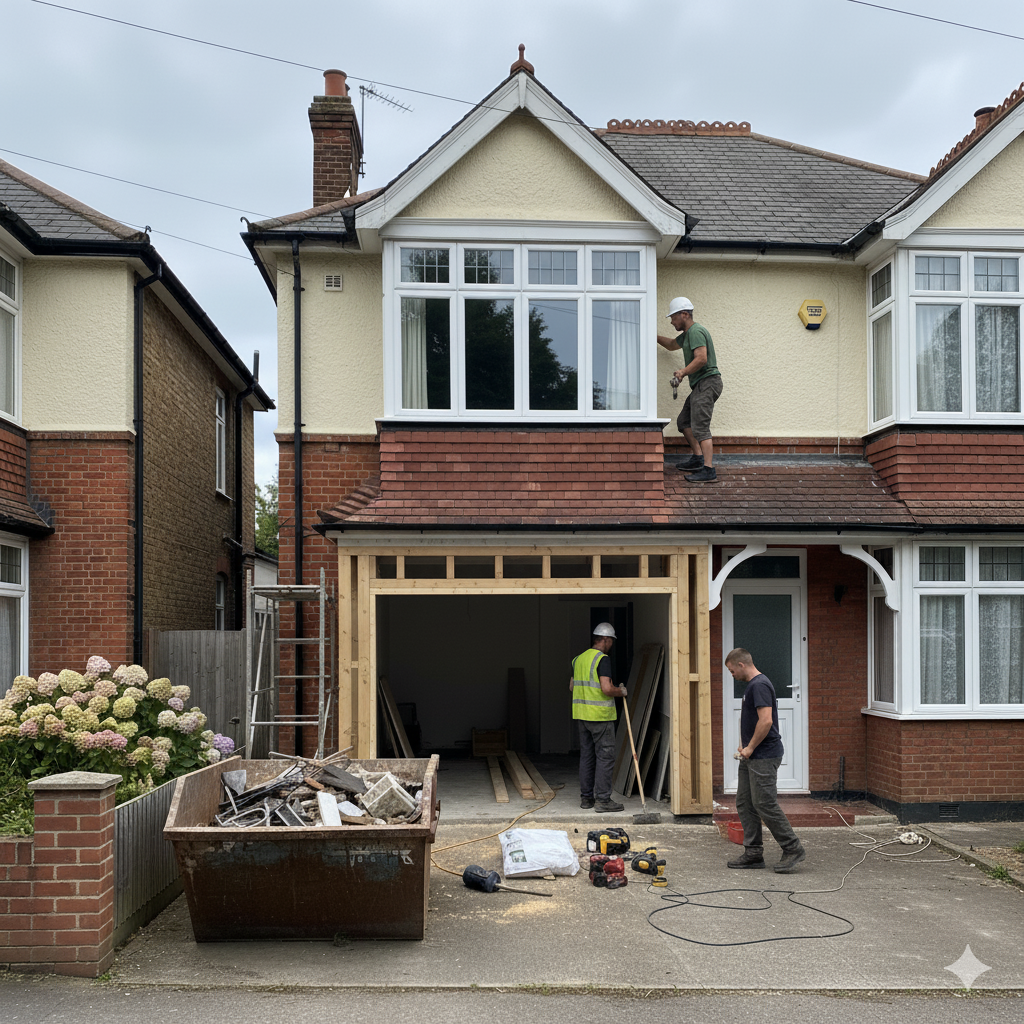
Driveway/Parking: Adding off-street parking, even for a single car, is a huge value-booster, particularly in busy urban areas where parking is scarce.
4. The Essential System Upgrades
While unglamorous, updating the ‘bones’ of the house provides peace of mind to buyers and eliminates future negotiation points.
The Electrics and Plumbing
In older homes (pre-1970s), a full rewire and modern plumbing/boiler system update is often necessary. Buyers pay a premium for a structurally sound home that won’t require immediate, expensive remedial work.
-
EPC Rating: Focus on improving the property’s Energy Performance Certificate (EPC) rating. Good insulation, energy-efficient glazing, and a new boiler are all key. A better EPC rating lowers future utility bills, which is highly appealing.
Decoration and Finishing Touches
After the main work is complete, don’t overlook simple cosmetic updates.
-
Neutral Palette: Use light, neutral paint colours (whites, creams, light greys). This makes rooms appear larger, brighter, and allows buyers to easily envision their own furniture and style.
-
Flooring: Replace tired carpets with quality engineered wood or luxury vinyl tile (LVT) in living areas for durability and a high-end look.
✨ Final Thought on ROI
To ensure the best ROI, always renovate to the standard of your street and target buyer. Overspending on a luxury kitchen in a lower-value area will result in diminishing returns. The core rule remains: Focus on creating usable space and updating the kitchen/bathrooms.
