



In the current UK property market, the focus has shifted from “quick fixes” to “future-proofing.” With sustainability and rising energy costs at the forefront of every homeowner’s mind, the materials you choose during a renovation can be the difference between a project that lasts five years and one that lasts fifty.
Investing in high-quality, durable materials not only saves you money on maintenance but also significantly boosts your home’s resale value. Here is our guide to the best materials for long-lasting home improvements.
1. External Cladding: Fibre Cement and Composite
The British weather is notoriously unforgiving. Traditional timber cladding, while beautiful, requires regular staining and is prone to rot in our damp climate.
-
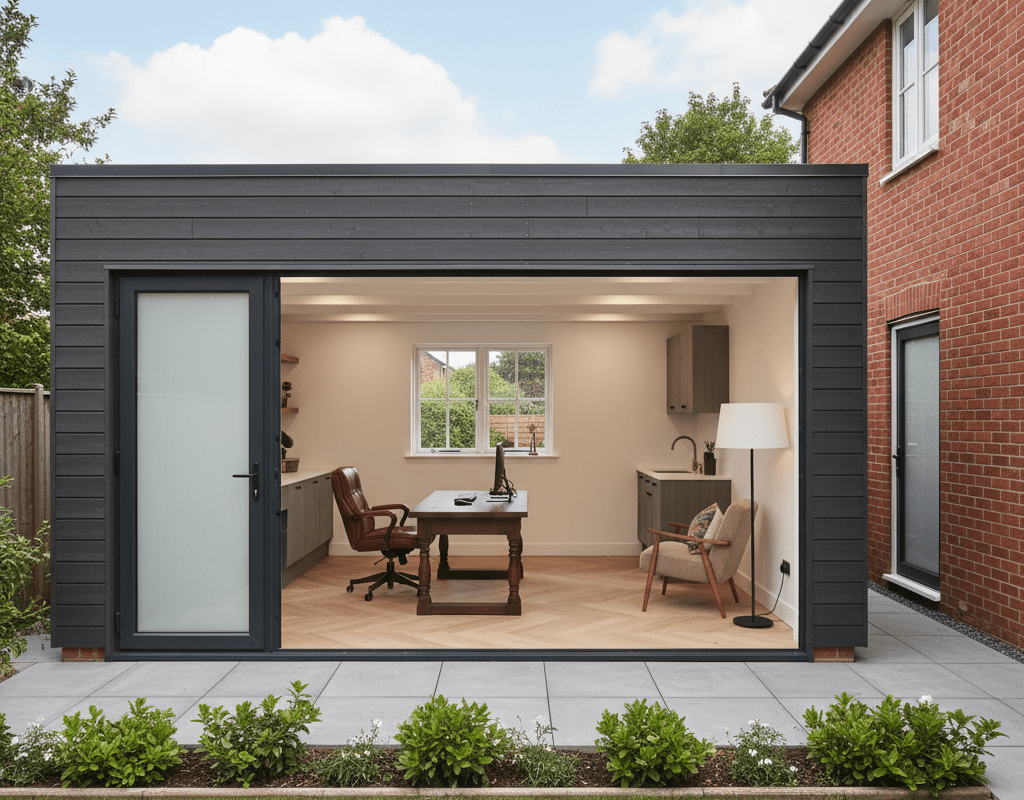
Fibre Cement: Brands like James Hardie have revolutionised the UK exterior. Made from a mix of cellulose fibres, cement, and sand, it is fire-resistant, rot-proof, and can last over 50 years.
-
Composite Boards: Made from recycled wood fibres and plastic, composite cladding offers the aesthetic of timber without the upkeep. It doesn’t warp, fade in the sun, or require painting, making it a “fit and forget” solution.
2. Flooring: Engineered Wood vs. Luxury Vinyl Tile (LVT)
Flooring is often the most high-traffic area of any home. In 2026, the trend has moved toward “performance-led” surfaces.
-
Engineered Wood: Unlike solid hardwood, engineered wood is constructed in layers. This makes it far more stable and resistant to the moisture and temperature fluctuations common in British homes with underfloor heating.
-
Rigid Core LVT: If you need something 100% waterproof for kitchens or bathrooms, Luxury Vinyl Tile (specifically SPC or Stone Plastic Composite) is the gold standard. It mimics the look of oak or stone perfectly but is virtually indestructible under high-heel clicks or muddy paw prints.
3. Worktops: Quartz and Sintered Stone
The kitchen is the heart of the home, and the worktop takes the brunt of the daily grind.
-
Quartz: Engineered from crushed stone and resin, quartz is non-porous. Unlike marble or granite, it won’t stain if you spill red wine or lemon juice, and it never needs sealing.
-
Sintered Stone: A newer contender in the UK market, materials like Dekton are heat-proof. You can take a pan straight from the hob and place it on the surface without fear of cracking—a true lifetime investment.
4. Windows and Doors: Aluminium and Triple Glazing
With the UK’s push toward Net Zero, energy efficiency is no longer optional.
-
Aluminium Frames: While uPVC is cost-effective, aluminium is the “forever” choice. It doesn’t degrade, the frames are slimmer (allowing for more light), and it is fully recyclable at the end of its very long life.
-
Triple Glazing: Once considered an overkill, triple glazing is becoming the standard for 2026 home improvements. It offers superior acoustic insulation and keeps heat in far more effectively than standard double glazing.
Durability Comparison Table
| Improvement | Material | Estimated Lifespan | Maintenance Level |
| External Walls | Fibre Cement | 50+ Years | Very Low |
| Kitchen Worktop | Quartz / Sintered Stone | 30+ Years | Low |
| Windows | Aluminium | 45+ Years | Low |
| Flooring | Engineered Wood | 25-50 Years | Medium (Refinishable) |
