


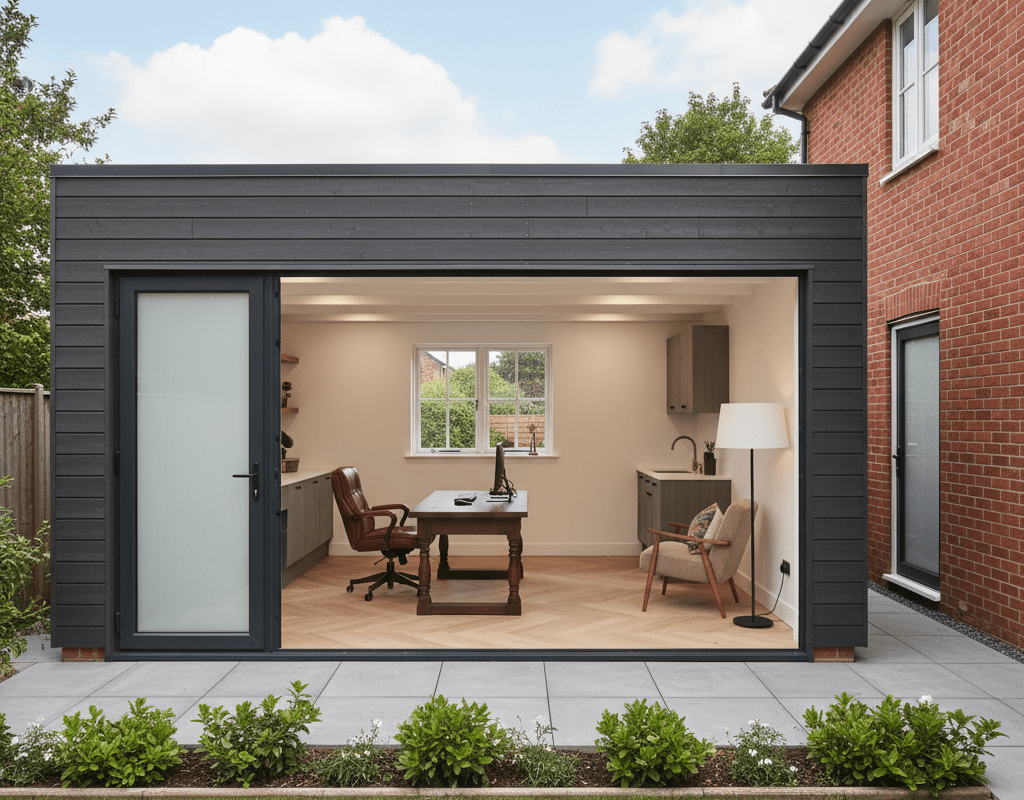



Choosing the right paint colours for your home can transform a space from dull and dated to stylish and inviting. Whether you’re renovating, redecorating, or simply refreshing a room, colour plays a vital role in creating the desired atmosphere and expressing your personality. This guide will help you choose paint colours that suit your home’s style, lighting, and mood — all while keeping it timeless and elegant.
1. Understand the Mood You Want to Create
Before you start browsing paint charts, think about how you want each room to feel. Colours evoke emotions — for instance:
-
Soft neutrals like beige, cream, and grey create a calm, sophisticated environment.
-
Cool tones such as blues and greens are perfect for relaxation, making them ideal for bedrooms and bathrooms.
-
Warm shades like yellows, terracotta, or blush tones bring energy and warmth to living areas and kitchens.
Your colour palette should complement the mood of each space while maintaining harmony throughout your home.
2. Consider the Lighting in Each Room
Lighting dramatically affects how paint colours appear.
-
Natural light: North-facing rooms tend to make colours look cooler, so opt for warmer hues to balance them out. South-facing rooms can handle cooler shades as they receive plenty of light.
-
Artificial light: LED, halogen, and warm-white bulbs can all change how a colour looks in the evening. Always test a paint sample in different lighting before committing.
3. Start with a Neutral Base
A neutral foundation offers flexibility and longevity. Shades like soft white, ivory, or light taupe can make rooms feel larger and more open. You can then add accent colours through furniture, fabrics, or feature walls. This approach keeps your home modern and easy to update as trends change.
4. Use the 60-30-10 Rule
Interior designers often follow this timeless rule for balanced colour schemes:
-
60% dominant colour (walls)
-
30% secondary colour (furniture or upholstery)
-
10% accent colour (accessories or artwork)
This ensures your home feels cohesive rather than overwhelming.
5. Coordinate with Existing Features
Consider the fixed elements in your home — such as flooring, tiles, and kitchen units. These are expensive to replace, so your chosen paint colours should complement them. For example, cool grey walls pair beautifully with marble countertops, while warm neutrals suit oak floors.
6. Test Before You Commit
Paint colours can appear completely different on the wall than they do on a swatch. Always test samples on a small patch and observe how they look in natural and artificial light throughout the day. This small step can save you time, money, and frustration.
7. Don’t Forget the Ceiling and Trim
The ceiling and trim can change how the entire room feels. A crisp white ceiling can make a room appear higher, while a darker tone can add depth and cosiness. Matching trims to the wall colour creates a seamless, contemporary finish.
8. Add Personality with Accent Walls
An accent wall allows you to introduce bold or dramatic colours without overwhelming the space. Deep navy, forest green, or terracotta can create a stunning focal point in living rooms or bedrooms.
9. Keep Resale Value in Mind
If you’re planning to sell your home in the near future, it’s wise to keep your colour scheme neutral and appealing to a broad audience. Buyers often prefer a blank canvas they can personalise later.
10. Stay True to Your Style
Trends come and go, but your home should reflect you. Choose colours that make you feel comfortable, happy, and inspired. A colour that resonates with your personality will always feel timeless.
Final Thoughts
Choosing paint colours is both an art and a science — balancing mood, lighting, and style to create a space that feels truly like home. Take your time, test samples, and think long-term. Whether you’re going for a sleek modern look or a cosy traditional vibe, the right paint colour can completely redefine your living space.
