
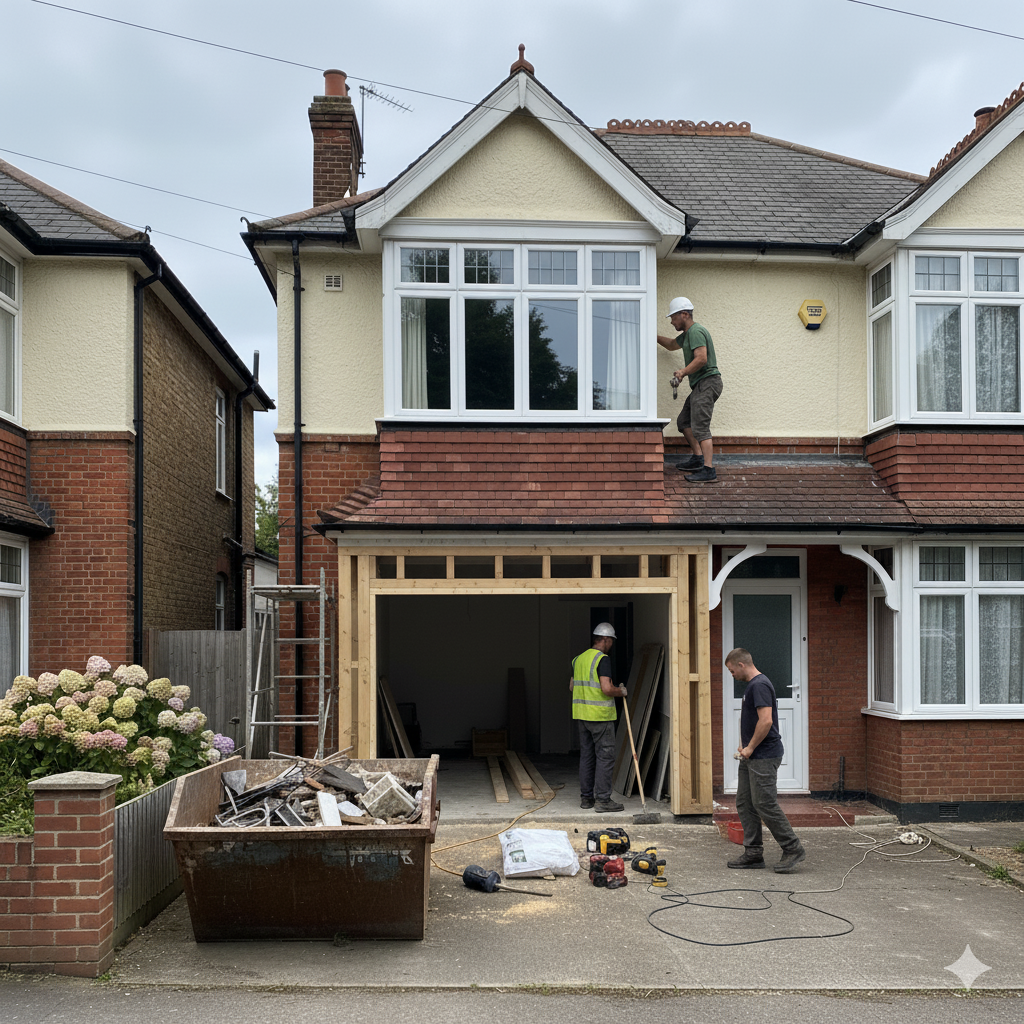





Before any construction project begins — whether it’s a new build, an extension, or a major renovation — one crucial step often determines its long-term success: the site survey. Many homeowners and developers underestimate the importance of this stage, but a professional site survey is essential for ensuring safety, compliance, and cost-efficiency throughout your build.
In the UK, where land boundaries, soil types, and planning regulations vary greatly, a thorough site survey can save you from unexpected problems, expensive mistakes, and unnecessary delays.
Here’s a complete guide on why a professional site survey is vital before starting your building project.
1. Understanding What a Site Survey Is
A site survey is a detailed inspection and measurement of a property and its surroundings before construction begins. It provides crucial information about the land, boundaries, ground conditions, utilities, and existing structures.
Professional surveyors use advanced tools such as GPS, laser scanning, and drones to collect accurate data, which is then used by architects, engineers, and builders to plan and design safely.
There are several types of surveys, including:
-
Topographical Surveys: Map out the physical features and elevations of the land.
-
Boundary Surveys: Define legal property lines and ownership limits.
-
Geotechnical Surveys: Assess soil and ground conditions for structural stability.
-
Utility Surveys: Identify underground services like water, gas, and electricity lines.
Each of these plays a crucial role in preparing for a smooth construction process.
2. Ensuring Accurate Planning and Design
Accurate site data is the foundation of good design. Without it, even the best architectural plans can encounter issues once work begins.
A professional site survey provides essential information such as:
-
Land levels and slopes
-
Drainage patterns
-
Access points and boundaries
-
Nearby structures or trees that may affect design
This ensures your architect can design a project that fits perfectly within the land’s natural constraints. It also helps identify any potential issues early on, such as uneven terrain or poor soil quality, which might require additional engineering work.
3. Preventing Legal and Boundary Disputes
Boundary disagreements are one of the most common causes of delay in UK building projects. A boundary survey confirms the exact limits of your property and ensures that your build stays within legal boundaries.
This protects you from disputes with neighbours and avoids costly legal action or the potential need to alter completed work. It also helps when applying for planning permission, as local councils often require precise land and boundary information.
4. Identifying Ground and Soil Conditions
The ground beneath your project is just as important as the structure itself. A geotechnical survey assesses the soil composition, load-bearing capacity, and potential risks such as subsidence or flooding.
Benefits include:
-
Ensuring the foundation design is suitable for the soil type
-
Preventing structural issues caused by ground movement
-
Identifying areas prone to waterlogging or erosion
Without this knowledge, builders risk structural instability, foundation cracking, or drainage failures — all of which can lead to costly repairs in the future.
5. Detecting Hidden Utilities and Underground Services
Before any excavation begins, it’s crucial to know what lies beneath the surface. A utility survey uses ground-penetrating radar (GPR) and other detection methods to locate underground services like gas, electricity, water, and telecommunications lines.
This not only prevents accidents but also:
-
Protects workers from injury
-
Avoids service disruptions
-
Prevents costly damage and fines
Knowing the exact location of utilities allows builders to plan safe excavation routes and reduce project delays.
6. Supporting Planning Applications and Regulatory Compliance
In the UK, local councils require detailed site information as part of the planning application process. A professional site survey provides accurate maps, measurements, and topographical data that strengthen your submission.
Accurate survey data can help you:
-
Meet local planning and building regulations
-
Address environmental or drainage considerations
-
Demonstrate compliance with land use policies
This improves the likelihood of your project being approved quickly and smoothly.
7. Reducing Costs and Avoiding Delays
While a professional survey comes at an upfront cost, it often saves far more in the long run.
Here’s how it helps:
-
Avoiding rework: Accurate data reduces the risk of design changes mid-project.
-
Preventing damage: Knowing what’s underground prevents costly repair work.
-
Efficient project planning: Builders can plan materials, labour, and timelines more effectively.
A well-executed survey streamlines the entire process, ensuring fewer surprises once construction begins.
8. Improving Communication Between Project Teams
A professional site survey provides a shared point of reference for everyone involved in your project — architects, engineers, builders, and planners.
This helps:
-
Align designs with real-world site conditions
-
Prevent misunderstandings between teams
-
Enable more accurate project management and budgeting
Having reliable, detailed site data ensures that every decision made on-site is based on factual information, not assumptions.
9. Enhancing Safety Standards
Safety is a top priority on any construction site. A comprehensive site survey identifies hazards such as unstable ground, overhead cables, or nearby obstructions before work begins.
This proactive approach ensures compliance with UK Health and Safety Executive (HSE) regulations and protects workers from potential accidents or injuries.
By addressing risks early, you create a safer, more efficient working environment.
10. Building Confidence and Peace of Mind
Perhaps one of the most underrated benefits of a professional site survey is the peace of mind it offers. Knowing that every inch of your land has been measured, analysed, and evaluated by professionals gives you confidence that your project is built on solid ground — literally and figuratively.
For homeowners, it provides reassurance that their investment is secure. For developers, it ensures the project will meet expectations and pass inspections with ease.
Conclusion
A professional site survey is much more than a formality — it’s an essential step that lays the groundwork for a safe, legal, and successful build. From preventing disputes and delays to improving safety and efficiency, a survey ensures every decision is based on accurate, reliable data.
Before breaking ground, investing in a professional site survey could be the smartest decision you make for your project. It protects your investment, your reputation, and your peace of mind.
