
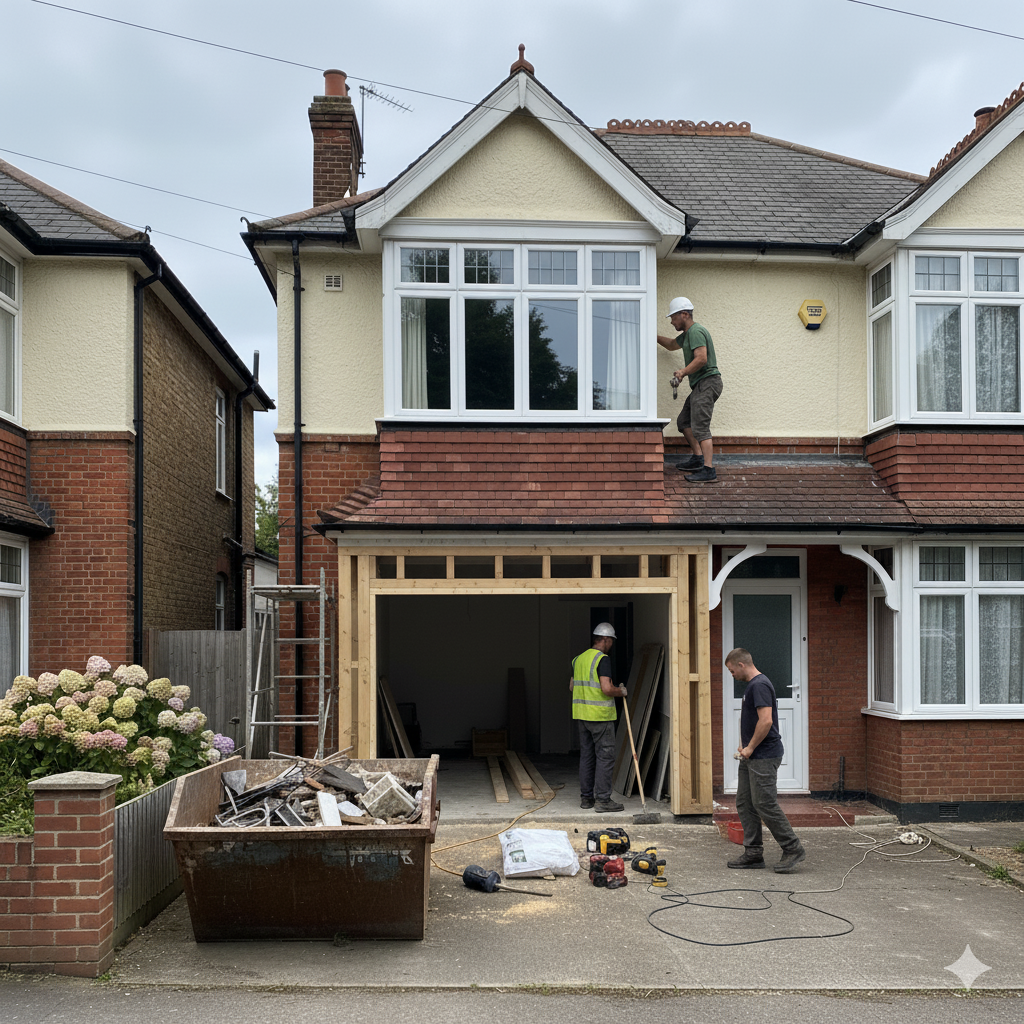

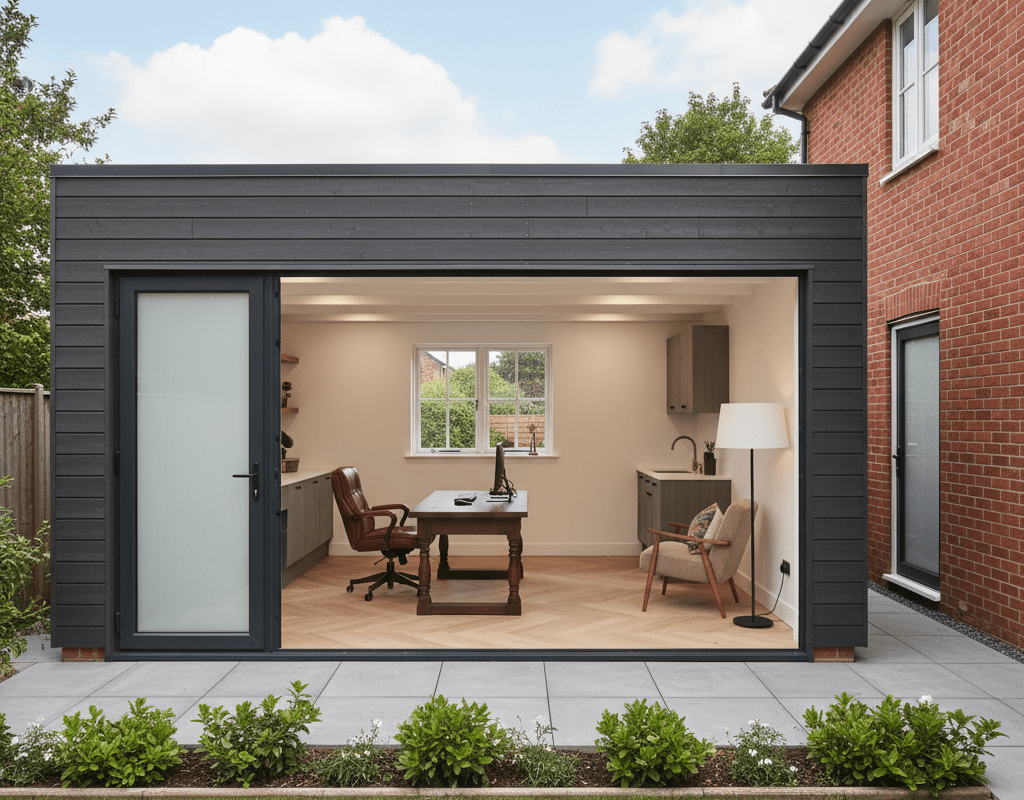



🏡 Turning Your Home Renovation Ideas Into Reality: A Detailed Guide
So, you’ve been scrolling through design boards, watching property programmes, and dreaming of that perfect kitchen extension or a luxuriously appointed bathroom. Turning those exciting home renovation ideas into a tangible reality can seem like a daunting challenge, but with careful planning and a structured approach, it’s entirely achievable.
Here is your comprehensive guide to taking your vision from a mere concept to a beautifully finished project.
Phase 1: The Vision and The Blueprint
This initial stage is where you solidify your ideas, define the scope, and establish the financial boundaries.
1. Define Your ‘Why’ and ‘What’
Before you pick up a single swatch or hammer, clarify the fundamental purpose of the renovation.
-
Why are you renovating? Is it for more space, to increase the property’s value, to improve energy efficiency, or simply to update an outdated aesthetic?
-
What is the end goal? Create a detailed wish list, separating the “must-haves” (e.g., a utility room) from the “nice-to-haves” (e.g., underfloor heating). Be specific about the function of the space.
2. Establish a Realistic Budget 💷
Your budget is the most crucial constraint. Be honest about what you can afford, and always factor in a significant contingency fund.
-
Cost Breakdown: Divide your budget into sections: Design/Architect fees, Planning Permission, Structural Work, Fixtures & Fittings (kitchen cabinets, tiling, sanitary ware), and Labour.
-
The Contingency Rule: Experts universally recommend allocating 10% to 20% of the total budget as a contingency. Unforeseen issues, particularly in older British homes (damp, electrical rewiring, foundation problems), are common.
3. Seek Professional Advice (The Architect/Designer)
Unless you are undertaking a purely cosmetic change, engaging a professional is essential.
-
Architect: Necessary for any structural alterations or extensions. They will translate your ideas into technical drawings, ensure building regulations compliance, and manage the planning application process.
-
Interior Designer: Helpful for optimising the flow, aesthetics, and material choices. They can often access trade discounts that save you money in the long run.
Phase 2: Permits, Drawings, and Selection
With the vision established, you now move into the crucial administrative and material selection stages.
4. Navigating Planning Permission
In the UK, not all projects require full planning permission. Many projects, such as loft conversions and single-storey rear extensions of a certain size, fall under Permitted Development rights.
-
Check the Rules: Always check with your local council. If you live in a Listed Building or a Conservation Area, the rules are far stricter, and specialist advice is mandatory.
-
Building Regulations: Even if you don’t need planning permission, you always need to comply with Building Regulations. This covers structural integrity, fire safety, drainage, and energy efficiency. Your architect/builder will manage this, but you are ultimately responsible.
5. Finalise the Design and Specifications
This is where all the little details get cemented before work begins.
-
Technical Drawings: Review the final architectural drawings meticulously. Ensure every plug socket, light switch, and cupboard dimension meets your needs. Changing the design once construction starts is incredibly expensive.
-
Materials Selection: Choose all your major fittings (kitchen units, bathroom suite, flooring, tiles) and agree upon their exact specifications. Ordering these well in advance prevents costly delays.
Phase 3: Bringing in the Professionals (The Build)
Finding the right team is the difference between a smooth project and a nightmare.
6. Vet and Appoint a Trusted Builder 🛠️
A good builder is worth their weight in gold.
-
Get Multiple Quotes: Obtain at least three detailed quotes based on the same set of approved drawings and specifications. This ensures you are comparing like-for-like.
-
Do Your Due Diligence:
-
References: Speak to previous clients, not just the ones the builder suggests. Ask about adherence to the budget, punctuality, and cleanliness.
-
Visit a Live Site: If possible, visit a site they are currently working on to assess their organisational skills and standard of work.
-
Formal Contract: Always insist on a formal, detailed contract (such as a JCT contract) that outlines payment schedules, responsibilities, timescales, and a procedure for resolving disputes.
-
7. Manage the Project Effectively
Once the builder is on-site, a clear line of communication is vital.
-
Site Meetings: Schedule regular, perhaps weekly, site meetings with the project manager/builder to review progress, raise any issues, and approve the next stage of work.
-
Avoid Scope Creep: Resist the temptation to make significant changes mid-project. These “variations” are the most common cause of budget overruns and timeline delays. Stick to the agreed plan.
-
Be Accessible: Be available to answer questions promptly. Delays in your decision-making can hold up the entire team.
Phase 4: Completion and Snagging
The final hurdle before you can enjoy your transformed space.
8. The Completion Walkthrough
Once the work appears finished, conduct a thorough inspection before making the final payment.
-
The Snagging List: Create a ‘snagging list’ detailing all the small imperfections that need rectification. This could include paint touch-ups, sticky doors, faulty lighting, or wobbly handles.
-
Withhold a Retainage: It is standard practice to withhold a small percentage (often 5%) of the final payment until all items on the snagging list have been satisfactorily addressed.
9. Enjoying Your Reality
The final step is to move back in and enjoy the fruits of your labour! Keep all your documentation, including guarantees for appliances, structural work warranties, and certification for gas (Gas Safety Register) and electrical work (NICEIC/Part P).
Turning your ideas into reality requires dedication, discipline, and detail-orientation. By following these structured phases, you can navigate the complexities of renovation and successfully transform your house into the home of your dreams.
