



The charm of a Victorian terrace, an Edwardian semi, or a Georgian townhouse lies in its “imperfections”—the original floorboards, the ornate cornicing, and the handcrafted joinery. In 2026, “sympathetic renovation” is about keeping these layers of history while meeting the rigorous Part L energy standards.
1. The “Repair Over Replace” Philosophy
In 2026, sustainability is synonymous with preservation. Historic England and conservation experts argue that original materials are often of higher quality than modern equivalents.
-
Sash Window Restoration: Don’t rip out original timber sashes for plastic replicas. Modern techniques allow specialists to fit slimline double-glazing into existing frames and install “brush seals” to eliminate draughts while meeting 2026 U-value requirements.
-
Fireplace Revival: Even if you don’t intend to burn coal, a cast-iron fireplace is a room’s visual anchor. Restore the surround and consider a modern bio-ethanol insert or simply use the hearth for decorative logs or plants.
2. Sympathetic Retrofitting (The Energy Challenge)
The 2026 Future Homes Standard poses a challenge for older properties with solid walls. The key is to use breathable materials.
-
Natural Insulation: Avoid modern spray foams which can trap moisture against old brick. Instead, use wood fibre boards, cork, or sheep’s wool. These allow the building to “breathe,” preventing the damp issues common in older UK homes.
-
Lime Plastering: If you are hacking off old plaster, replace it with traditional lime. It is flexible (preventing cracks as the house moves) and manages moisture naturally, unlike modern gypsum.
3. “New Deco”: Blending Eras with Intention
A major 2026 trend is New Deco—using bold, geometric modern elements to highlight traditional architecture.
-
Transitional Kitchens: Pair a traditional Shaker-style kitchen with a modern, thin-profile quartz worktop and brass “New Deco” hardware. This respects the home’s age while feeling distinctly current.
-
The Sixth Wall: 2026 is the year of the “decorative ceiling.” If your cornicing is damaged, hire a specialist plasterer to restore it, then paint the ceiling in a deep, heritage hue to make the white plasterwork pop.
4. Reclaiming the “Found” Features
Many period features were covered up in the 1970s and 80s. Your renovation is a chance to find them again.
-
Floorboard Lottery: Peel back the carpet. If you find original pine or oak boards, don’t just sand them to a “pale” finish. 2026 trends favour darker wood tones that provide a sense of history and warmth.
-
Stained Glass: If your front door has lost its original glass, commission a reproduction. Stained glass filters light beautifully into narrow hallways, providing privacy without the need for blinds.
The Character Preservation Checklist
| Feature | The Modern “Mistake” | The “Sympathetic” Choice |
| Windows | Standard white uPVC casements. | Restored timber sashes or “Heritage” aluminium. |
| Internal Doors | Hollow-core modern doors. | Reclaimed 4-panel timber doors with brass latches. |
| Heating | Boxy white radiators. | Cast-iron column radiators (compatible with heat pumps). |
| Skirting | 3-inch modern MDF. | 8-inch “Ogee” or “Torus” profile timber boards. |
5. Lighting: Contrast is Your Friend
Old homes often have dark “middle rooms.” The smart way to fix this isn’t by adding dozens of spotlights (which ruin a period ceiling).
-
Layered Lighting: Use wall sconces to highlight the texture of an exposed brick wall or a picture rail.
-
The Statement Pendant: A large, contemporary chandelier in a room with a 10-foot Victorian ceiling creates a stunning “old meets new” focal point that draws the eye upward to the original cornicing.
6. Structural Changes: The “Glass Link”
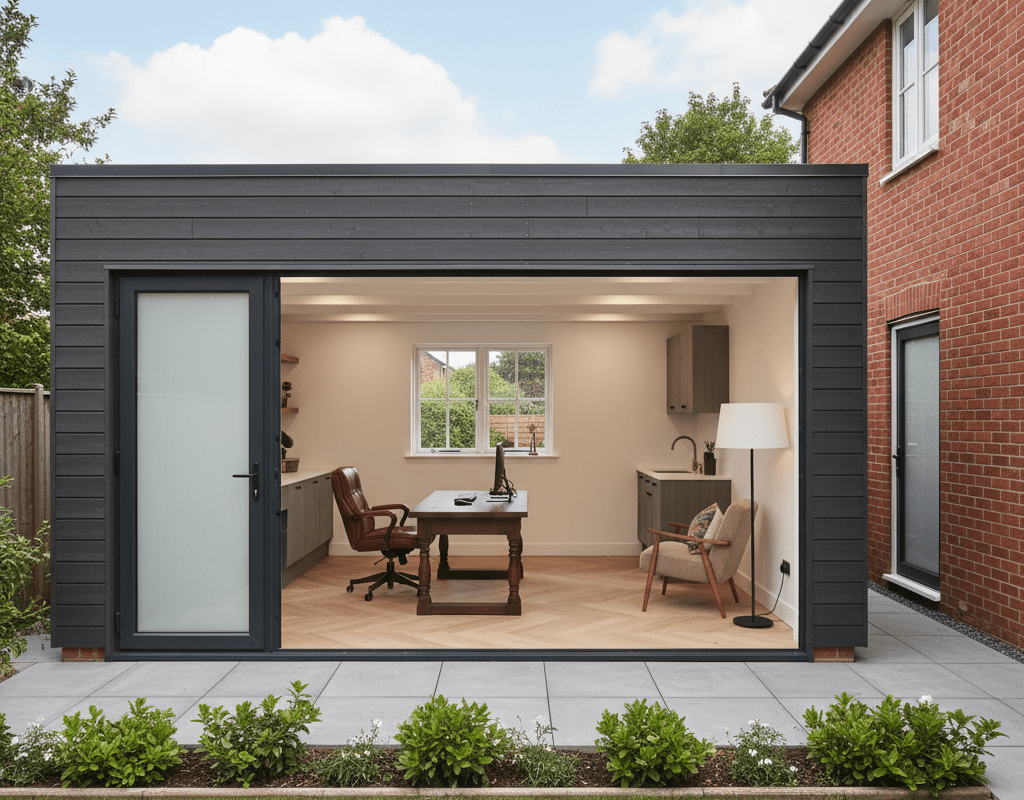
If you need more space, the 2026 way to extend an older property is the “Glass Link” extension. Instead of trying to mimic the old brickwork (which often looks like a poor imitation), use a glass corridor to connect the old house to a modern addition. This clearly defines the two eras and allows the original rear façade of the house to remain visible.
Final Thoughts
How to renovate an older property without losing character comes down to one word: restraint. Don’t try to hide the age of your home; celebrate it. By using traditional materials like lime and timber, and pairing them with smart 2026 technology, you create a home that is both a piece of history and a modern sanctuary.
