
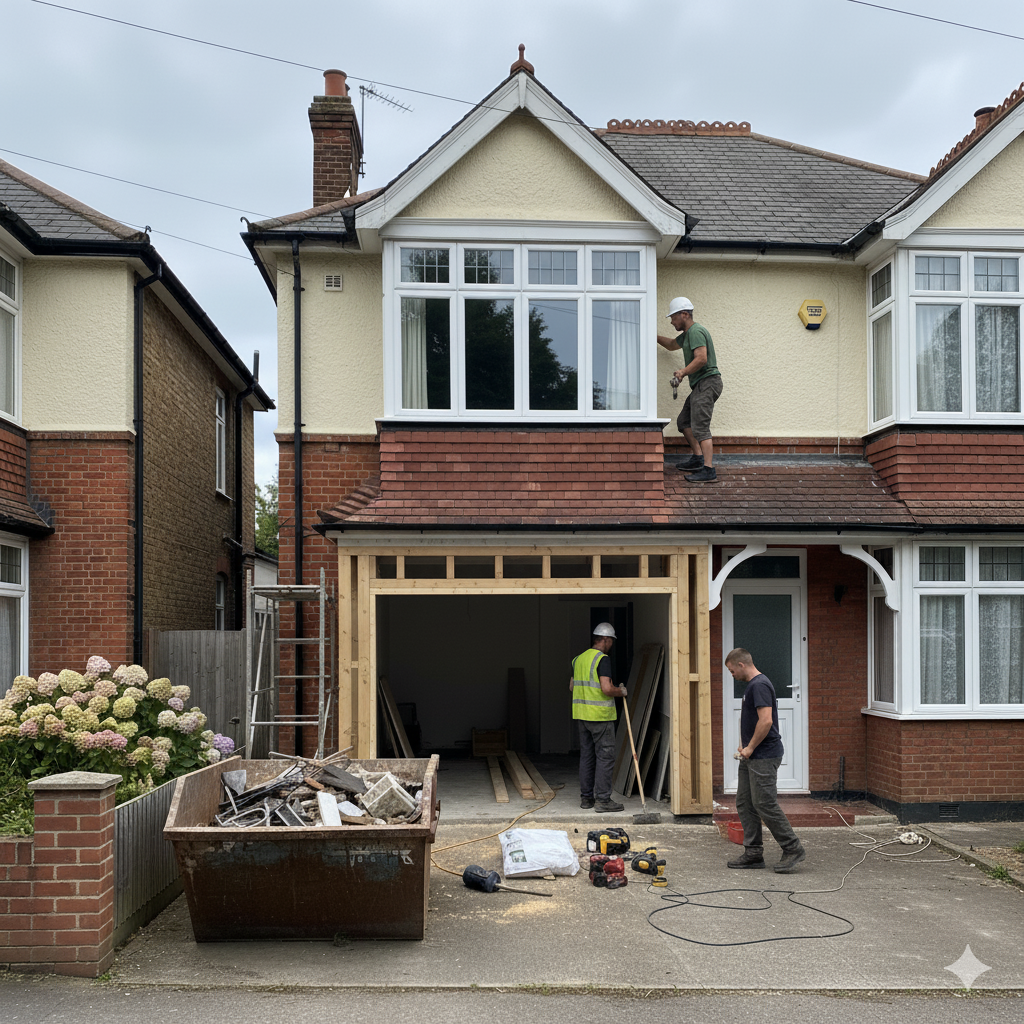

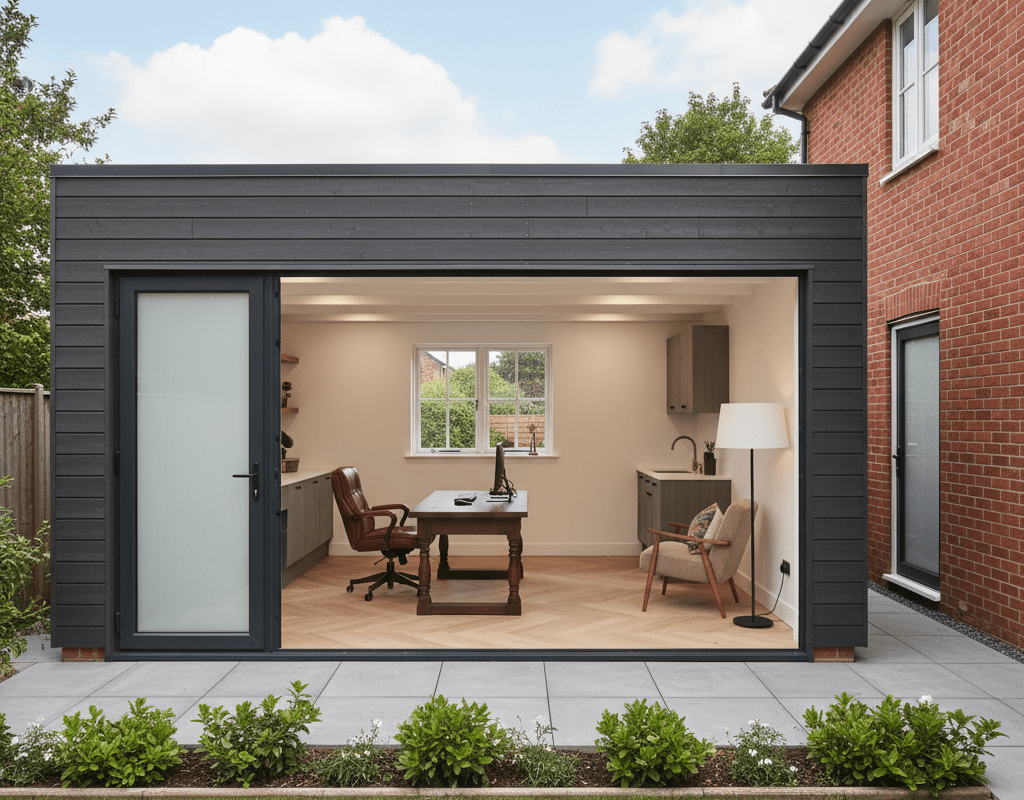



In the UK, we are no strangers to the “compact” lifestyle. From characterful but narrow Victorian terraces to modern urban apartments, the challenge is almost always the same: how do we modernise our homes without sacrificing the precious floor space we already have?
Renovating a small home requires a shift in mindset. It isn’t just about moving walls; it is about spatial intelligence. Here is how you can renovate to create a home that feels expansive, functional, and clutter-free.
1. Embrace “Broken-Plan” Over Open-Plan
While the “open-plan” trend has dominated for decades, it can sometimes make a small home feel like one giant, cluttered room. The British-born concept of “broken-plan” is often a better solution for smaller footprints.
Instead of knocking down every wall, use:
-
Internal Glass Partitions: These allow light to flow through the house while providing acoustic separation.
-
Half-Walls or Breakfast Bars: These define the kitchen from the lounge without closing them off.
-
Pocket Doors: A standard door requires about one square metre of “swing” space. Sliding pocket doors disappear into the wall, reclaiming that space for furniture.
2. Bespoke Joinery: The Secret Weapon
Off-the-shelf furniture is the enemy of the small room. It rarely fits perfectly, leaving “dead zones” in corners or alcoves. Professional bespoke joinery ensures every millimetre of your home is working for you.
| Area | Small Space Solution |
| Alcoves | Floor-to-ceiling shelving and cupboards to frame the fireplace. |
| Under-Stairs | Pull-out drawers for shoes or a hidden “cloaks” cupboard. |
| Bay Windows | Built-in window seats with lift-up lids for hidden storage. |
| Kitchens | Full-height cabinetry that uses the vertical space up to the ceiling. |
3. Light and Reflective Surfaces
Visual space is just as important as physical space. If a room looks bigger, it feels bigger.
-
Continuous Flooring: Using the same flooring (e.g., engineered oak or large-format tiles) throughout a floor level draws the eye across the rooms, making the entire footprint feel like one large area.
-
Strategic Mirrors: Placing a large mirror opposite a window reflects the garden or street view, effectively “doubling” the depth of the room.
-
The “Low-VOC” Palette: Stick to light, cool tones like “off-white,” soft greys, or pale blues. These reflect light more efficiently than warmer, darker shades.
4. Maximising the “Indoor-Outdoor” Flow
If you have a garden or even a small courtyard, your renovation should aim to treat the outdoors as an extra room.
In the UK, bi-fold or Crittall-style doors are the gold standard for this. By installing doors with slim frames and a flush threshold (where the floor and the patio are at the same level), the transition becomes seamless. During the summer, your living room effectively extends into the garden, giving you several extra square metres of “living” space.
5. Reclaim the “Dead” Spaces
Look up and look down. Often, the space we “lose” is hidden in plain sight.
-
Loft Conversions: If your roof pitch allows, a loft conversion is the most effective way to add a bedroom or home office without losing a millimetre of your garden or driveway.
-
Vaulted Ceilings: If you are doing a single-storey rear extension, consider a vaulted ceiling with Velux windows. It doesn’t add floor space, but the extra volume makes a small kitchen feel palatial.
-
Radiator Alternatives: Bulky radiators can dictate where you place your sofa. Underfloor heating (UFH) removes this restriction entirely, freeing up wall space for furniture or art.
Pro Tip: The “One-In, One-Out” Rule
A renovation is the perfect time for a “de-clutter.” In a small home, every object must be either beautiful or functional. If it isn’t both, it shouldn’t be taking up your square footage.
6. Smart Lighting Design
A single pendant light in the centre of a room creates shadows in the corners, making the room feel smaller. A professional lighting plan for a small home should include:
-
Layered Lighting: Combine “task” lighting (under-cabinet LEDs) with “ambient” lighting (dimmable wall lights).
-
Up-lighting: Lighting the ceiling makes it feel higher, countering that “boxed-in” feeling common in cottages or flats with low ceilings.
Final Thoughts
Renovating a small home is an exercise in precision. By choosing bespoke storage, clever “broken-plan” layouts, and prioritising light, you can transform a cramped house into a sophisticated, airy home. You don’t need more space; you just need to use the space you have better.
